If you are trying to find the best deodorant for women, the first decision is whether you need sweat reduction, odor control, or both. Deodorant and antiperspirant are not identical: deodorant targets odor, while antiperspirant uses aluminum salts to reduce wetness.
Choosing the wrong type for your daily activity level is the most common reason products feel like they "do not work." Ingredient preferences and skin sensitivity matter, but function should come first.
For more personal-care comparisons, see Personal Care, browse all buying resources in our blog, and review editorial transparency on Brand Facts.
Best deodorant for women Quick Answer
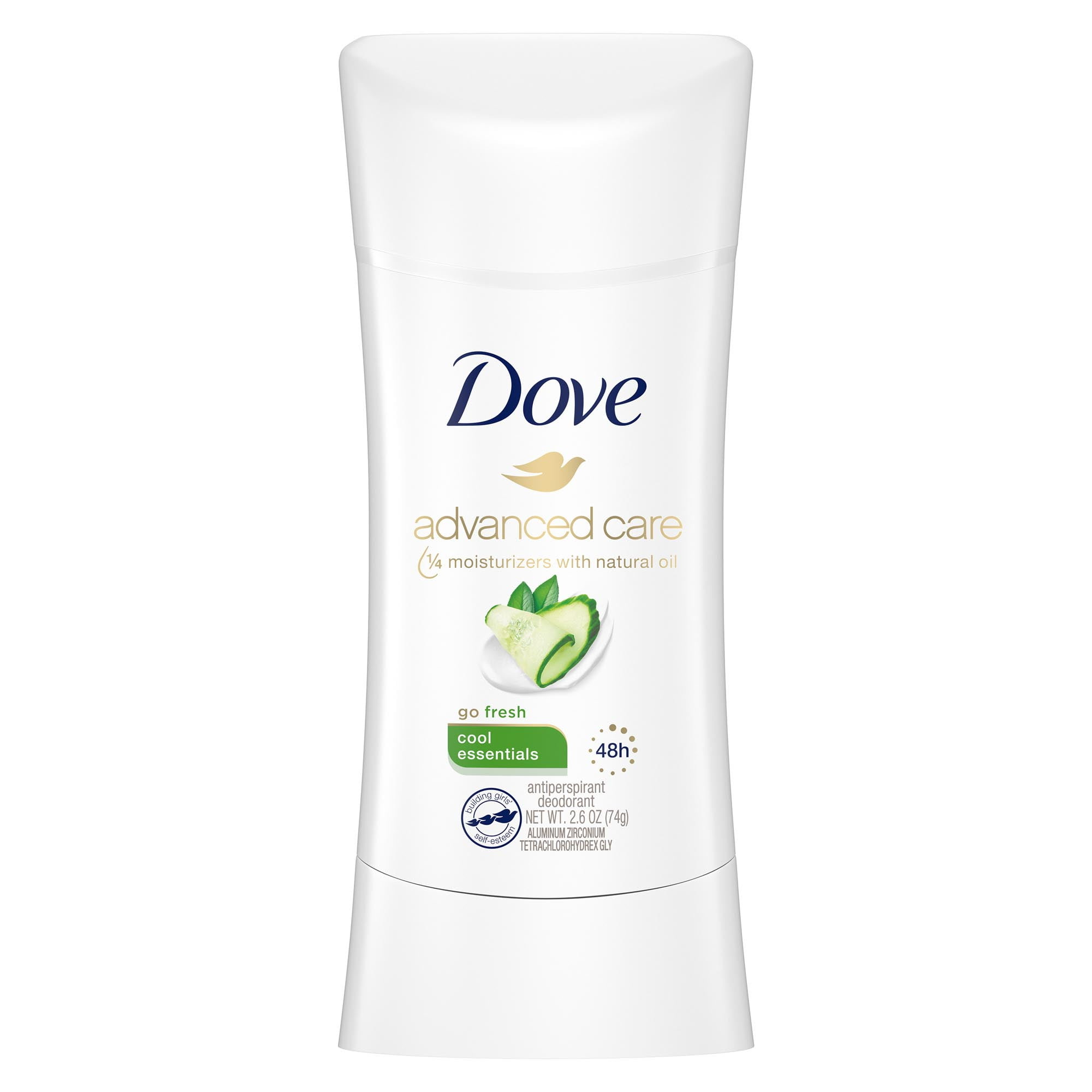
For most users, Dove Advanced Care is the strongest all-around pick because it balances odor/wetness protection with better underarm comfort. If you specifically want aluminum-free formulas, Native Deodorant is usually the best starting point.
For scent layering, pair with one of the best perfumes for women. For full body-care routine compatibility, compare cleansing options in best body washes.
5 Key Factors That Matter Most
- Protection type - Antiperspirants control both sweat and odor; aluminum-free deodorants primarily control odor.
- Skin sensitivity profile - Fragrance, baking soda, and high-strength actives can irritate reactive skin.
- Wear context - Gym days and hot climates usually need stronger wetness control than light-activity days.
- Residue and texture - Some sticks transfer to clothes or feel sticky if overapplied.
- Ingredient preference - Clean, fragrance-free, or natural-style formulas may trade off raw performance.
How We Built This Ranking
We did not run controlled perspiration lab tests. This ranking combines independent roundup analysis, manufacturer specification review, user-review trend patterns, and practical ownership criteria such as odor breakthrough timing, irritation reports, residue behavior, and cost per month.
Products scored higher when they offered consistent protection across real routines and included options for different ingredient preferences, including aluminum-based and aluminum-free categories.
Ratings reflect typical consumer use and vary with activity level, climate, and underarm grooming habits.
Aluminum-based antiperspirant vs aluminum-free natural deodorant: Which Is Better?
Aluminum-based antiperspirants are usually better when wetness control is a priority. Aluminum-free natural deodorants are better for users prioritizing ingredient preferences and odor management with less emphasis on sweat reduction.
Choose antiperspirants when:
- You experience heavy sweating
- You need longer workday or workout protection
- You want one product for wetness and odor
Choose aluminum-free deodorants when:
- You prioritize clean/natural ingredient direction
- You are okay with normal perspiration levels
- You mainly need odor control
Some users rotate: natural on low-activity days and antiperspirant on high-demand days.
Buying Guide: How to Choose the Right Deodorant
1) Match Product Type to Sweat Level
If you sweat heavily or have physically active days, start with antiperspirant formulas. If perspiration is mild and your goal is odor control with specific ingredient preferences, deodorant-only formulas may be enough.
Use product for at least 1-2 weeks before judging consistency.
2) Reduce Irritation Risk With Smarter Application
Apply to clean, dry skin and avoid over-layering immediately after shaving if your skin is reactive. Fragrance-free or lower-irritant formulas can reduce stinging and redness.
If you switch from antiperspirant to aluminum-free products, expect an adjustment period where odor control may feel less stable.
3) Coordinate Scent With the Rest of Your Routine
Strongly scented deodorant can conflict with fragrance if both are heavy. Use neutral or light-scent deodorant when wearing perfume from best perfumes for women.
For better underarm comfort, pair with gentle cleansing options from best body washes instead of harsh surfactant-heavy washes every day.
How to Transition Between Antiperspirant and Aluminum-Free Options
Many users switch deodorant type without adjusting expectations or routine, then assume the product is failing. Transition success usually depends on matching product type to real sweat pattern.
If you move from antiperspirant to aluminum-free deodorant, expect a period where wetness feels more noticeable. That does not always mean odor control is failing; it often means sweat suppression changed while your body adapts to new routine expectations.
A practical transition plan is:
- Week 1: use aluminum-free on lower-intensity days.
- Week 2: apply consistently at the same time each day.
- Week 3: reassess odor control, comfort, and irritation before deciding to continue or switch back.
For users with high sweat output, hybrid routines can work better than all-or-nothing switches. Example: stronger antiperspirant on high-activity days, gentler deodorant on lighter days.
If underarm irritation appears, simplify first: fragrance-free formula, dry-skin application timing, and less post-shave overlap. These changes often solve issues faster than chasing new scent variants.
Consistency and context usually matter more than trend-driven ingredient choices.
Scent Layering Without Product Clash
If you wear perfume regularly, choose neutral or low-intensity deodorant scent profiles. Clashing fragrance layers are a common reason users abandon otherwise effective products.
A clean strategy is deodorant for function, fragrance for projection. This keeps both performing better.
For travel or gym bags, keeping a smaller backup format can improve consistency on long days when reapplication is needed.
Routine reliability often beats chasing stronger formulas you do not apply consistently.
Consistency logs for one to two weeks can quickly reveal whether formula strength or application timing is the real issue.
Frequently Asked Questions
Should I choose deodorant or antiperspirant?
Choose antiperspirant if wetness reduction is the priority. Choose deodorant-only if your goal is odor control with aluminum-free preference.
How long should I test a new product before deciding?
Give most products 1-2 weeks of consistent use unless irritation appears sooner.
Why do aluminum-free products feel less effective for some users?
They usually do not reduce sweat volume; they mainly target odor. If sweat output is high, hybrid routines often work better.
When is the best time to apply antiperspirant?
Many users get better results with nighttime application to clean, dry skin, with optional morning refresh.
How can I reduce underarm irritation?
Use simpler formulas, avoid immediate post-shave application, and keep skin fully dry before product use.
Who Each Pick Is Best For
1) Dove Advanced Care Antiperspirant Deodorant Stick (Best Overall)
Best for daily users who want balanced sweat and odor control with broad mainstream tolerability.
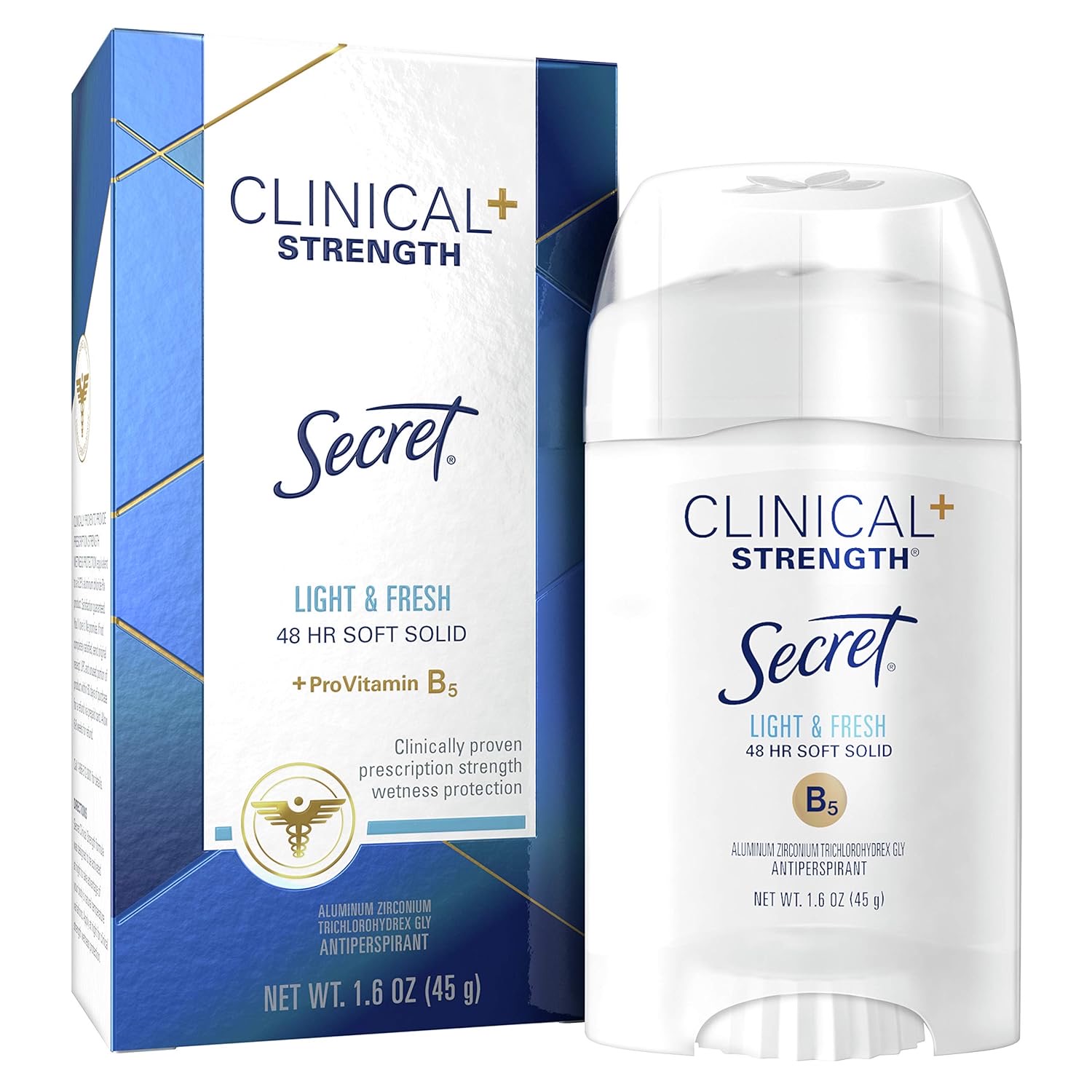
2) Secret Clinical Strength Antiperspirant Deodorant (Best for Heavy Sweating)
Best for higher-perspiration routines where stronger sweat suppression is needed.
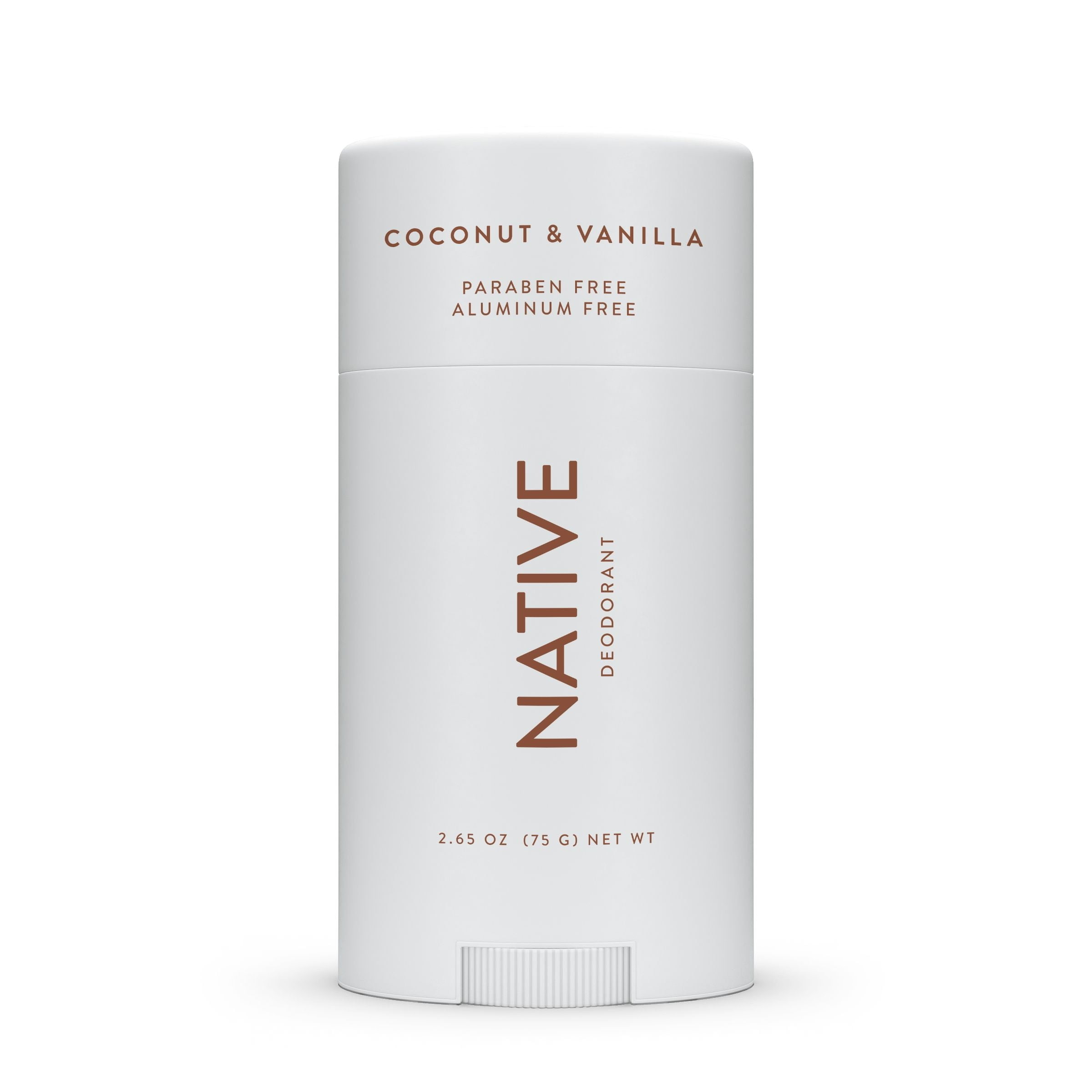
3) Native Deodorant (Best Aluminum-Free Pick)
Best for users prioritizing aluminum-free odor management with broad scent options.
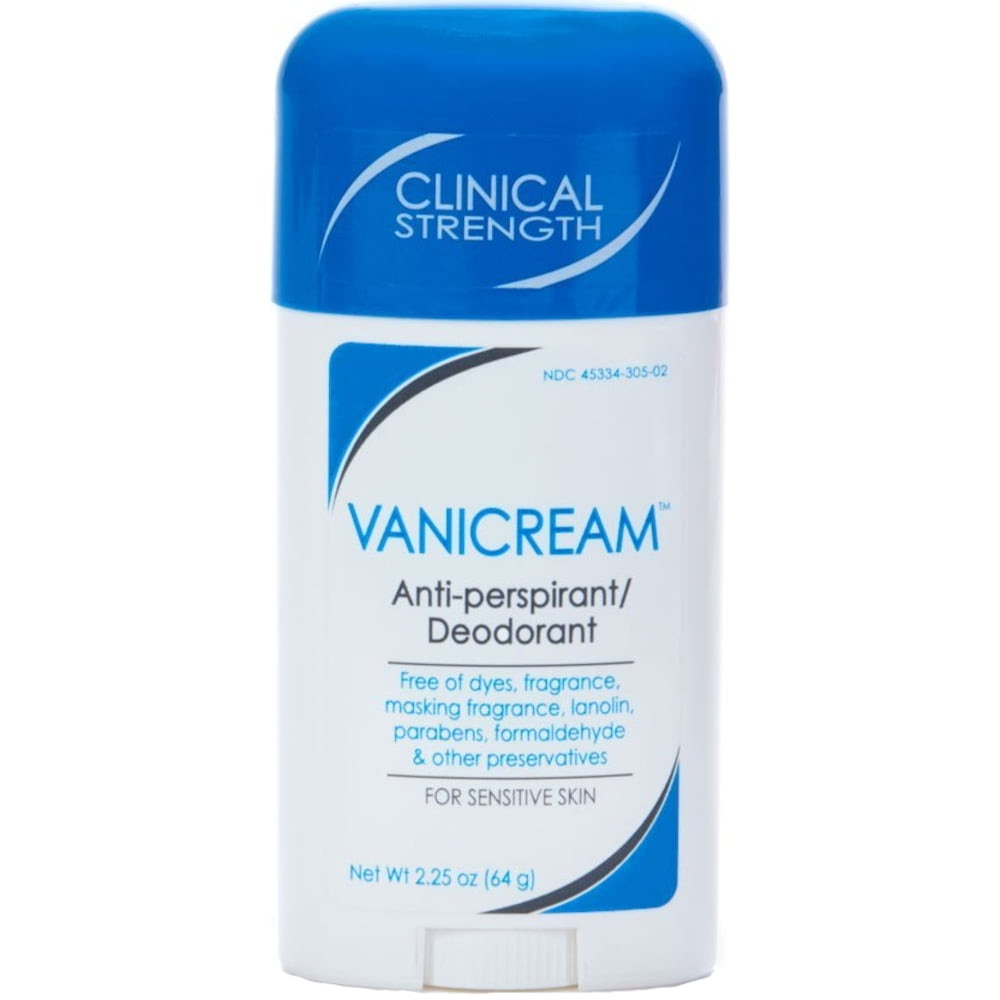
4) Vanicream Antiperspirant/Deodorant (Best for Sensitive Skin)
Best for sensitive-skin users needing lower-irritant profile with practical daily performance.
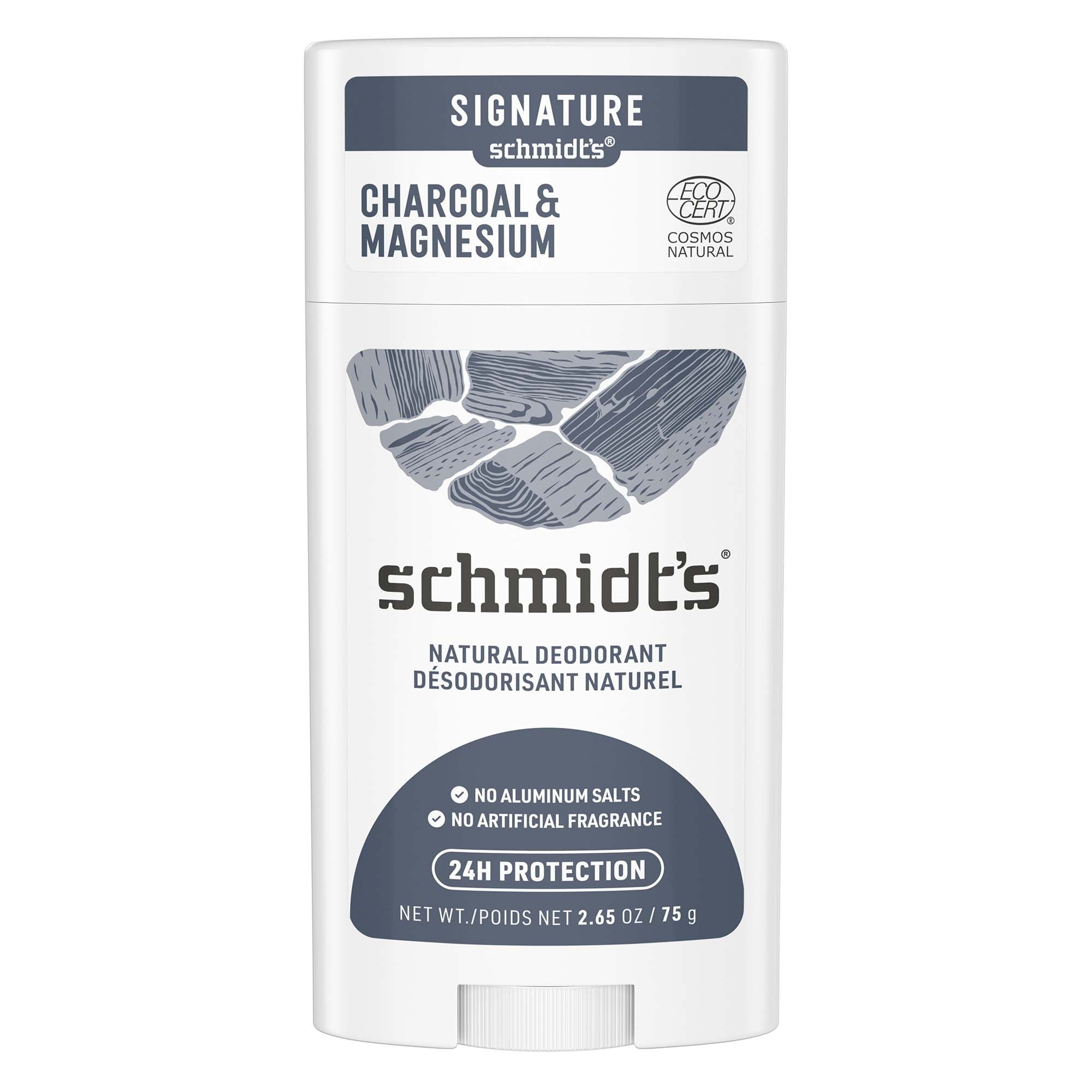
5) Schmidt's Natural Deodorant (Best Natural Value)
Best for budget-focused natural-deodorant shoppers who tolerate stronger scent profiles.
Common Buying Mistakes for Deodorant for Women
- Choosing by scent first. Tolerance and performance should lead selection.
- Switching products too quickly. Short trials can mislabel workable products as failures.
- Using deodorant-only for high-sweat needs. Product type mismatch causes most disappointment.
- Applying to damp skin. Reduced adherence can lower effectiveness.
- Ignoring seasonal workload. Heat and activity shifts change performance needs.
- Layering conflicting fragrances. Scent clash can make good products feel unusable.
Four-Week Product Testing Framework
- Keep one product and one application schedule for week one.
- Track sweat control, odor stability, and irritation by day.
- Adjust timing before switching formulas.
- If needed, move to stronger or gentler category based on pattern.
Transition Strategy Between Product Types
If switching from strong antiperspirant to aluminum-free, use lower-intensity days first. If switching the other direction, test nighttime application early before increasing amount.
This transition-first approach usually reduces frustration and unnecessary product churn.
Last updated: March 1, 2026. Prices and availability subject to change.