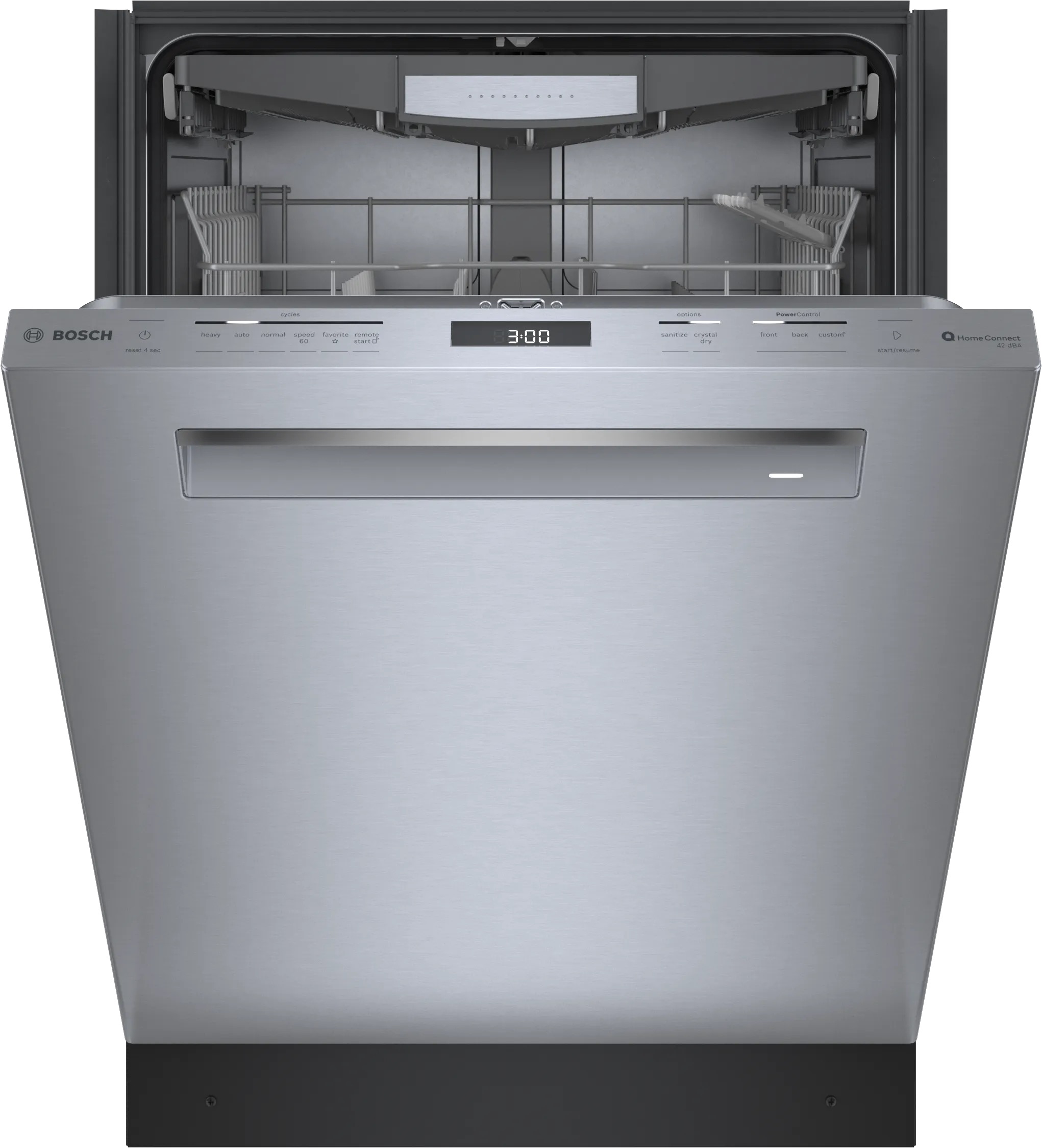
If you are trying to buy the best dishwasher, your best decision usually comes down to three things: noise, drying performance, and rack usability. Most modern units clean well enough. The real difference is how quietly they run and how much daily frustration they remove.
For major appliance purchases, reliability and delivery logistics matter as much as features. Installation access, old unit haul-away, and water-line condition can change total project cost quickly.
For more home comparisons, see Home & Living, browse all buying resources in our blog, and review editorial transparency on Brand Facts.
Best Dishwasher Quick Answer
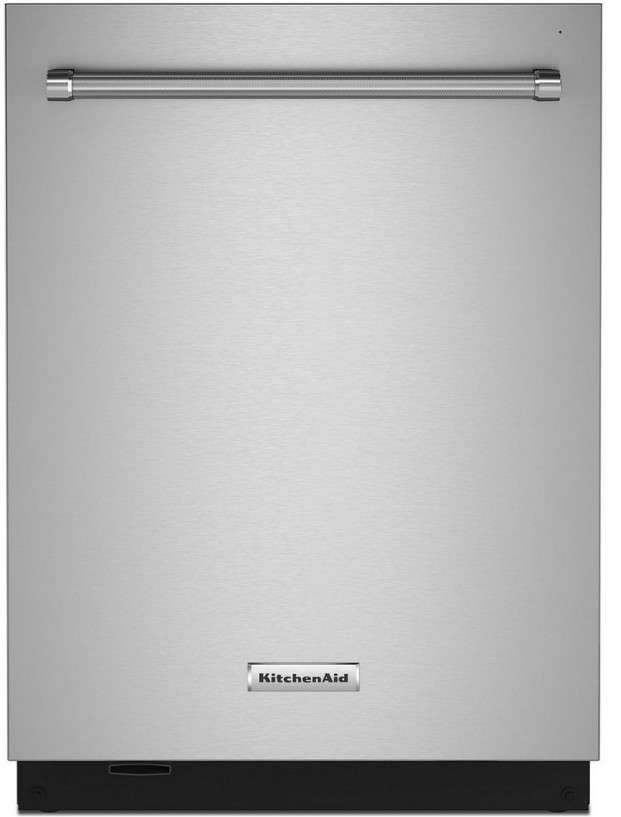
For most homeowners, Bosch 800 Series is still the safest top pick because it combines very low noise with excellent all-around cleaning and drying. If you need more heavy-load flexibility and a strong third rack, KitchenAid KDTM604KPS is the main alternative.
If you are planning a broader appliance refresh, compare this page with our best washer and dryer sets guide and best refrigerator picks.
5 Key Factors That Matter Most
- Noise level (dBA): Anything around 42 to 46 dBA is usually comfortable in open kitchen layouts.
- Drying system: Condensation, heated dry, and hybrid systems behave differently, especially with plastic containers.
- Rack flexibility: Third racks, fold-down tines, and adjustable middle racks improve daily load fit.
- Energy efficiency: Energy Star models can reduce long-term electricity and water use.
- Service and warranty support: Large appliances are long-term investments, so repair network quality matters.
How We Built This Ranking
We did not run lab cleaning tests in-house. This ranking combines independent roundup analysis, manufacturer specifications, owner review trends, and practical ownership factors such as cycle consistency, drying outcomes, reliability feedback, and installation complexity.
We weighted quiet operation and daily usability heavily because these affect every load. We also considered category diversity with one compact option for smaller spaces.
Final purchase value should include delivery terms, installation fees, and haul-away policies, not just sticker price.
Built-In vs Compact Countertop vs Drawer Dishwashers
Built-in standard dishwashers are best for most households. They offer the strongest mix of capacity, efficiency, and long-term value.
Compact or countertop dishwashers are best for renters, small apartments, and homes without built-in plumbing space. Capacity is limited, but convenience can still be a major upgrade.
Drawer dishwashers can be useful for flexible loading and partial loads, but they often cost more and have fewer model choices.
If you run multiple loads daily, standard built-in models remain the most practical long-term option.
Buying Guide: How to Choose the Right Dishwasher
1) Choose dBA Based on Kitchen Layout
If your kitchen opens into living space, prioritize lower dBA. The jump from about 50 dBA to mid-40s feels significant in daily life. For open-plan homes, paying more for quiet operation is often worth it.
If your kitchen is closed off, moderate-noise units can still be a strong value, especially if cleaning performance and rack design are good.
2) Match Drying System to Your Dish Mix
Households that use many plastic containers should prioritize stronger drying systems. Condensation-only designs can leave more residual moisture on plastics, while enhanced systems handle mixed loads better.
Also consider cycle length. More efficient cycles may take longer, so choose settings that fit your routine instead of always running the longest program.
3) Plan Installation and Delivery Before Checkout
Measure height, width, depth, and door swing clearance carefully. Confirm plumbing, drain hose routing, electrical requirements, and whether installation includes new connection parts.
When buying major appliances, warranty terms and service availability are part of value. If you are upgrading multiple appliances, align timing with our best refrigerator guide and best washer-dryer sets ranking so delivery windows and install teams are coordinated.
Rack Configuration and Load Workflow Matter Most
Published feature lists rarely show daily friction. Rack flexibility and loading ergonomics are often what make a dishwasher feel excellent or frustrating over time.
If your household uses large pans and mixing bowls frequently, test lower-rack clearance and tine adjustability first. If you use many bottles, lids, and utensils, third-rack design becomes more important than marketing cycle names.
A practical way to evaluate fit is simulating a typical dinner load: plates, glasses, cookware, and plastic storage containers. If loading forces awkward stacking, cleaning results and drying quality both decline.
Also evaluate unload effort. A model that cleans well but requires constant rearranging to unload will feel slower in daily life.
For families with mixed dish types, create a repeatable loading pattern:
- Heavier cookware bottom rack.
- Daily glassware upper rack.
- Small utensils and lids in third rack when available.
This consistency improves wash performance and reduces "why are these still dirty" surprises.
Water Quality and Detergent Alignment
Hard water can impact spotting and drying more than many buyers expect. If your area has hard water, pairing dishwasher settings with suitable detergent/rinse strategy can significantly improve results.
Before blaming hardware performance, verify detergent dose, filter cleanliness, and spray-arm movement. Setup and maintenance choices often explain inconsistent outcomes.
Households with mixed dish habits can also benefit from saving two cycle presets: one fast daily mode and one heavier cookware mode.
That simple habit improves consistency and reduces cycle-selection guesswork.
It also helps different household members run better cycles without relearning settings each time.
Frequently Asked Questions
What dBA level should I target for an open kitchen?
Quieter models are usually worth prioritizing in open layouts where dishwasher noise overlaps with living space.
Do third racks actually help?
For many households, yes. They improve utensil and small-item organization and free space below.
Why do plastics come out wet?
Plastic drying behavior depends on dishwasher design and load setup; it often retains moisture more than glass or ceramic.
Is a compact countertop unit enough?
It can work well for small households, but cookware-heavy routines may hit capacity limits quickly.
How often should I maintain the dishwasher?
Regular filter cleaning and spray-arm inspection should be part of routine care.
Who Each Pick Is Best For
1) Bosch 800 Series SHP78CM5N (Best Overall)
Best for buyers prioritizing premium quiet operation and reliable cleaning performance.
2) KitchenAid KDTM604KPS (Best for Heavy Loads)
Best for households with larger cookware and dense mixed loads.
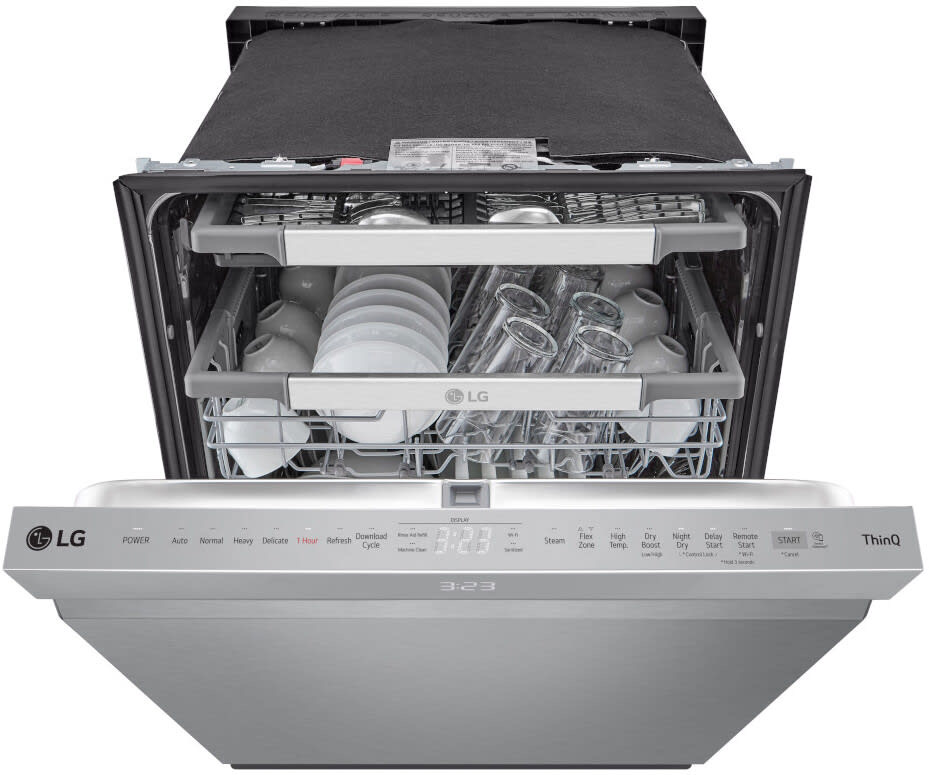
3) LG LDPH7972S (Best Smart Features)
Best for users wanting connected controls and modern cycle customization.
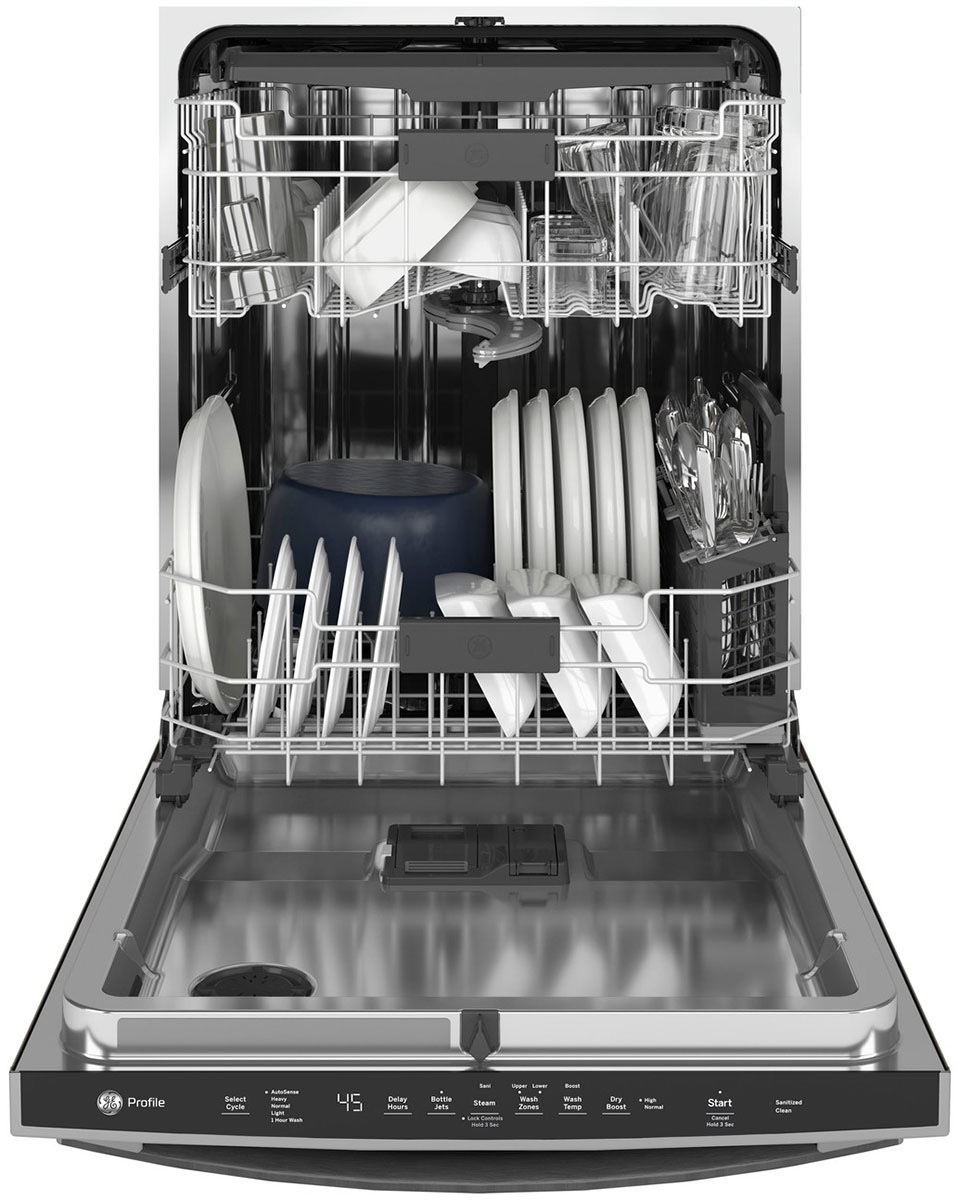
4) GE Profile PDT715SYNFS (Best Mid-Range Value)
Best for homes wanting strong feature balance without flagship pricing.
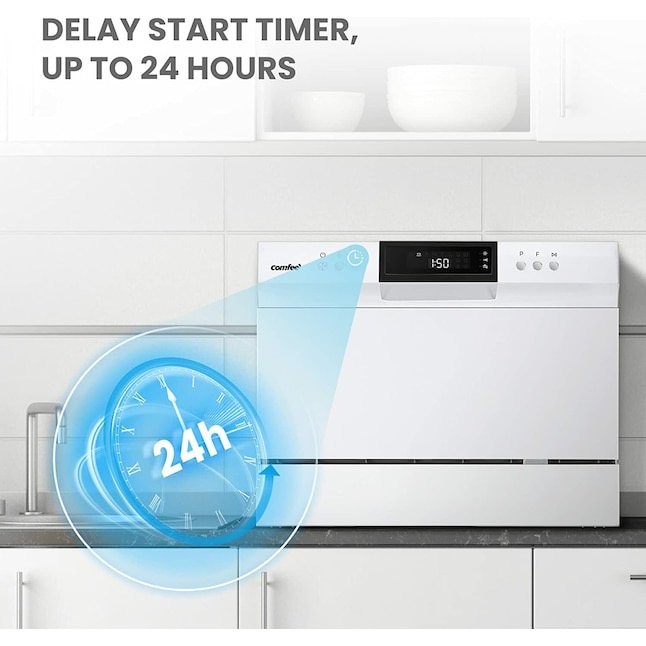
5) COMFEE' Countertop Dishwasher CDC22P2AWW (Best Compact Countertop)
Best for renters and small kitchens with lower dish volume.
Common Buying Mistakes for Dishwasher
- Ignoring acoustic needs by layout. Noise tolerance varies dramatically by home design.
- Skipping install-path checks. Measurements and utility constraints can invalidate choices.
- Comparing only purchase price. Efficiency and service support affect total value.
- Poor loading patterns. Even good machines underperform with blocked spray paths.
- Neglecting maintenance basics. Dirty filters reduce wash quality over time.
Daily Load Pattern That Improves Results
- Keep spray-arm path clear before starting cycle.
- Separate high-soil cookware from delicate items.
- Place plastics where airflow/drying is strongest.
- Use one consistent loading pattern for repeatability.
Maintenance Cycle Plan
Clean filter on schedule, inspect spray arms monthly, and run periodic deep-clean cycles. This routine usually has more impact than changing detergent repeatedly.
Last updated: March 1, 2026. Prices and availability subject to change.