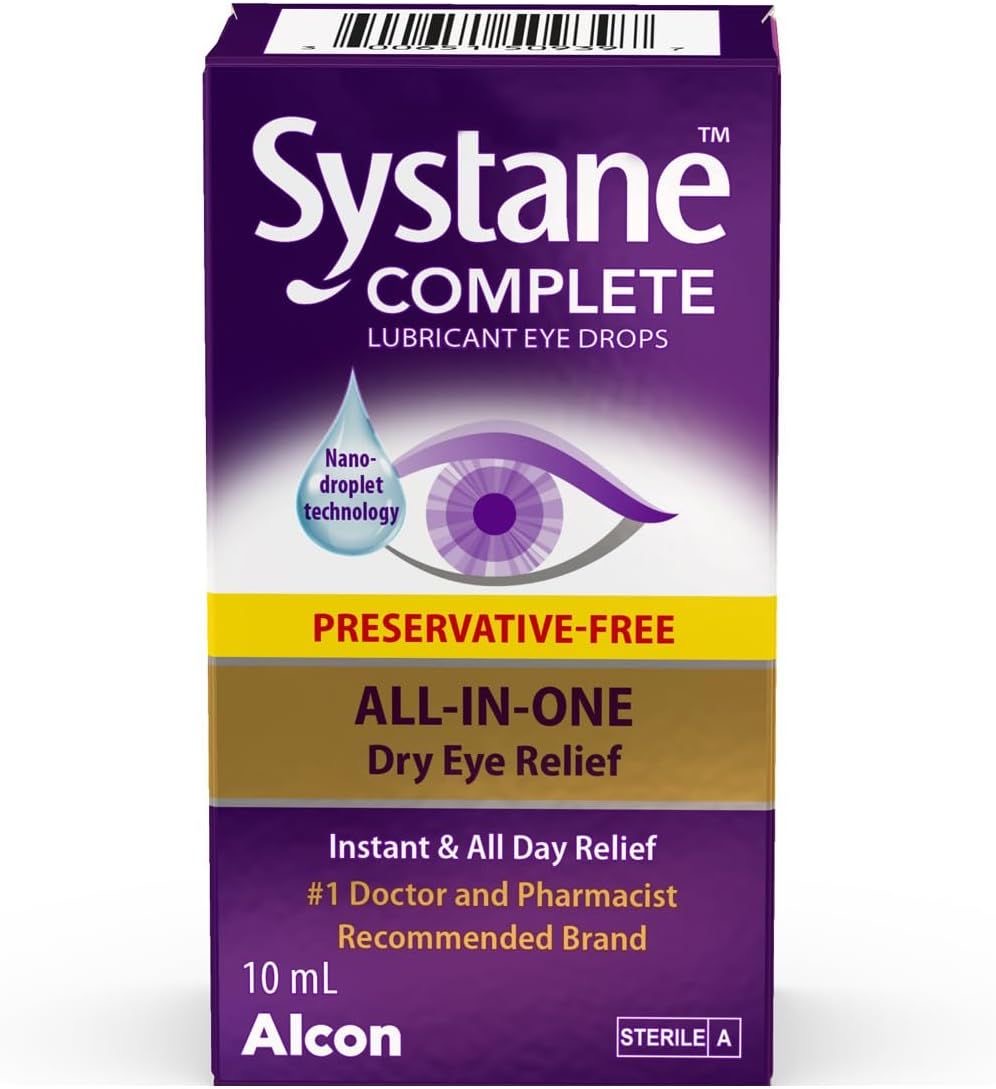
Finding the best eye drops for dry eyes is less about brand loyalty and more about formula fit. You need a drop that matches how often your eyes feel dry, whether you wear contact lenses, and whether your symptoms are light irritation or persistent burning and gritty sensation.
Most people improve faster when they match viscosity and preservative profile to usage frequency. Thin drops can feel great for daytime, while thicker drops usually last longer but may blur vision for a short time.
For more health-wellness comparisons, see Health & Wellness, browse all buying resources in our blog, and review editorial transparency on Brand Facts.
Medical Disclaimer
This guide is informational only and not medical advice. Consult a qualified healthcare provider before starting any supplement, medication, or health product, especially if you are pregnant, nursing, taking medications, or managing a health condition.
Best Eye Drops for Dry Eyes Quick Answer
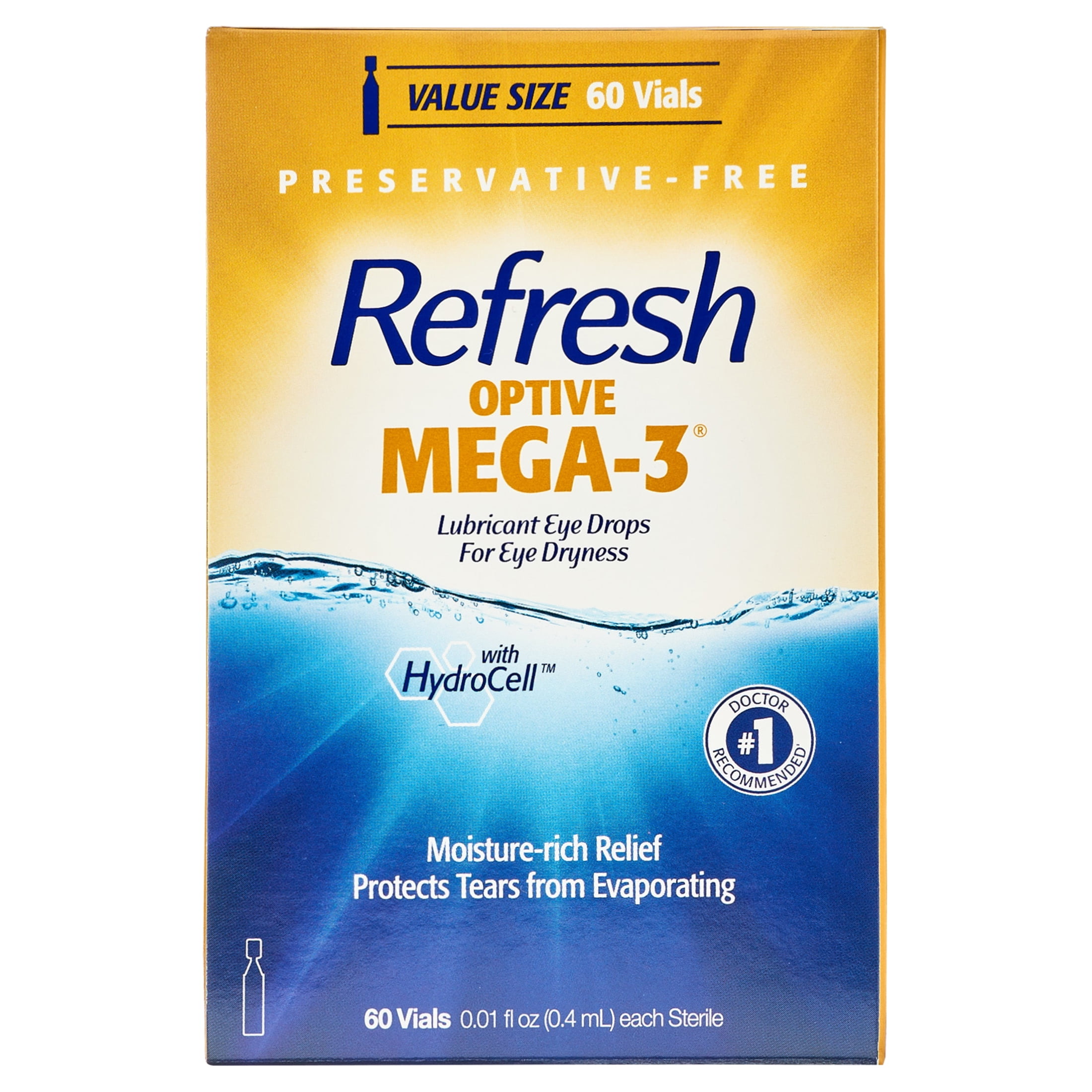
For most adults, Systane Complete PF is the best all-around OTC starting point because it balances comfort, daily usability, and preservative-free design. If your dryness is more severe or frequent, Refresh Optive MEGA-3 PF often provides longer-lasting comfort.
If itching and sneezing are part of your symptom mix, compare these picks with our best allergy medicine guide. If you are also updating broader wellness habits, our best multivitamins for women guide can help with routine planning.
5 Key Factors That Matter Most
- Preservative profile: Frequent users often do better with preservative-free options to reduce irritation risk.
- Drop thickness: Thin drops feel clean in daytime, while gel-like drops usually last longer but can blur vision.
- Contact lens compatibility: Some formulas require lens removal before use, so label instructions matter.
- Use frequency: Occasional dryness can use basic bottles, while chronic symptoms need a more sustainable plan.
- Underlying trigger: Screen time, low humidity, medications, and eye conditions can each require different management.
How We Built This Ranking
We did not run ophthalmology testing or in-clinic tear analysis. This ranking combines independent roundup analysis, manufacturer labeling, user-review trend patterns, and practical ownership criteria like bottle design, value per mL, and comfort during repeated use.
We prioritized formula diversity so the list includes preservative-free multidose, single-use vial, standard preserved, and thicker gel options. This reflects real shopping behavior because dry-eye severity and tolerance vary widely.
We also weighed practical issues users mention most: temporary blur, drop sting, reapplication frequency, and convenience for workday use.
Artificial Tears vs Prescription Options: Where OTC Fits
OTC artificial tears are usually the first step for mild to moderate dry-eye symptoms. They focus on lubrication and tear-film support, not treatment of underlying disease.
Prescription therapies may be considered when dryness is persistent, inflammatory, or linked to diagnosed eye conditions. If you are using drops many times daily without improvement, that is a signal to get a full eye exam.
Preservative-free OTC drops are often preferred when use frequency is high. Preserved drops can still work well for occasional use and are usually cheaper.
Bottom line: start with an OTC formula matched to your symptom pattern, then escalate to an eye doctor if symptoms remain frequent or severe.
Buying Guide: How to Choose the Right Eye Drops for Dry Eyes
1) Decide How Often You Need Relief
If you only need drops once or twice on heavy screen days, a mainstream preserved bottle may be enough. If you need drops several times daily, preservative-free options are usually easier on sensitive eyes over time.
Track your usage for one week. Frequency tells you whether you need a value bottle, a preservative-free multidose design, or single-use vials for cleaner repeat use.
2) Match Viscosity to Your Time of Day
For daytime routines, lighter drops are usually more practical because they interfere less with reading, driving, and computer work. For evening or overnight dryness, thicker drops and gels often provide longer contact time.
A common strategy is a thin daytime drop plus a thicker bedtime option. That split setup can improve comfort without constant daytime blur.
3) Know When to Stop Self-Experimenting
Dry-eye symptoms can overlap with allergy, contact lens irritation, meibomian gland issues, and medication side effects. If redness, pain, vision changes, or light sensitivity persist, an eye doctor should evaluate the cause.
You should also seek care if you depend on drops very frequently and still feel unstable relief. OTC products are useful tools, but they are not a replacement for diagnosis when symptoms become chronic.
Environment and Application Technique
Product choice helps, but environment often drives symptom intensity. Long screen sessions, low indoor humidity, airflow from fans, and contact lens wear can all increase dryness.
A practical support plan includes scheduled blink breaks, better workstation airflow positioning, and stable hydration habits. For drop use, avoid touching bottle tip to eye or skin, and keep timing consistent so results are easier to evaluate.
If symptoms spike in one environment (office, driving, late-night screens), treat that trigger directly rather than only increasing drop frequency.
Frequently Asked Questions
How often can I use artificial tears safely?
Use depends on formula type and symptom intensity. Higher-frequency users often do better with preservative-free options.
Should I use one drop for day and night?
Many users do better with lighter daytime drops and thicker evening support for overnight comfort.
What if OTC drops stop helping?
Persistent discomfort, redness, or visual disturbance should trigger professional eye evaluation.
Are preservative-free drops always necessary?
Not always for occasional use, but they are often preferred for frequent daily application.
Can contact lens wear change drop choice?
Yes. Lens wearers usually need formulas compatible with their lens routine and wear timing.
Who Each Pick Is Best For
1) Systane Complete PF Lubricant Eye Drops (Best Overall)
Best for frequent users who want preservative-free daily relief with broad usability.
2) Refresh Optive MEGA-3 Preservative-Free Lubricant Eye Drops (Best for Severe Dryness)
Best for users with persistent dryness who need stronger comfort support.
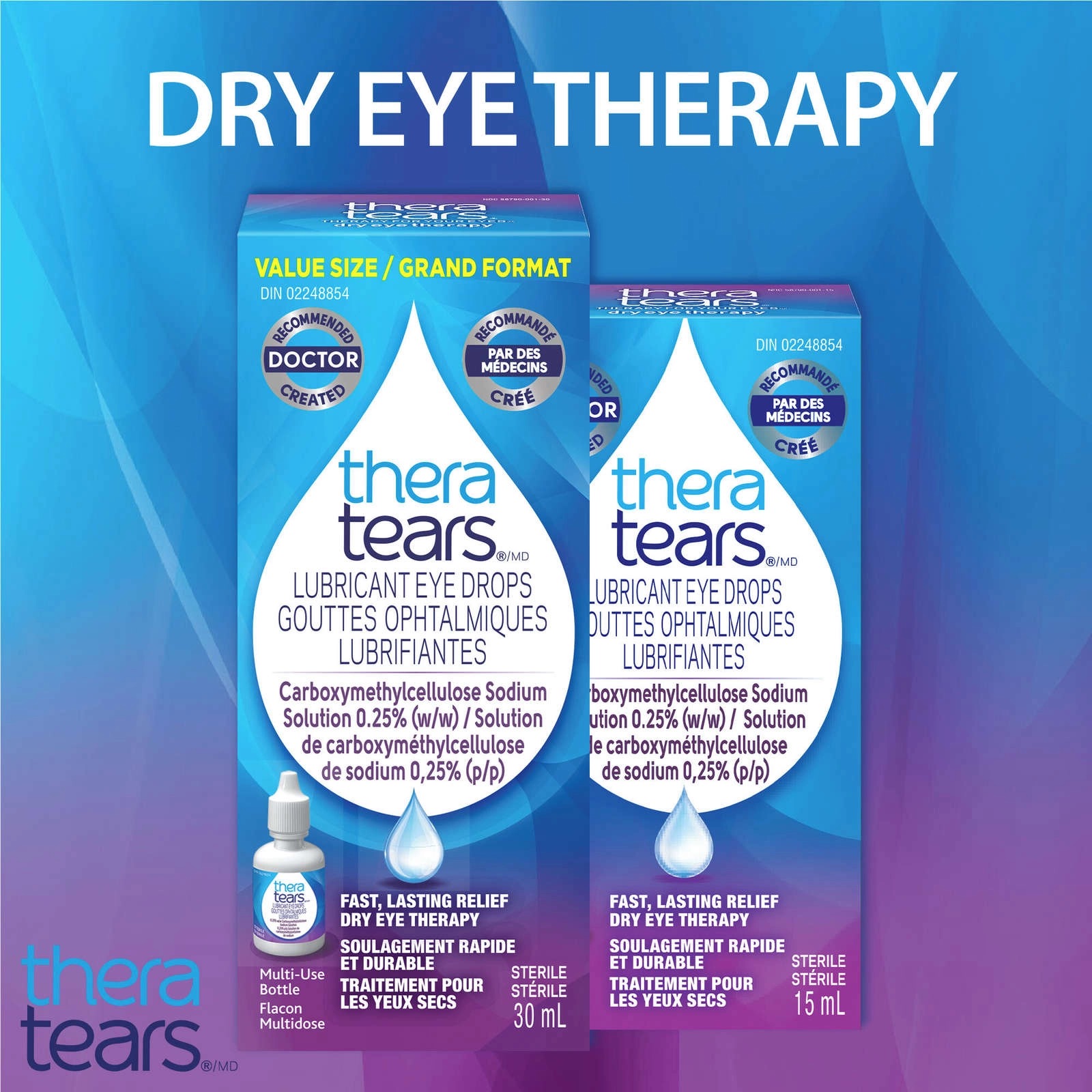
3) TheraTears Dry Eye Therapy Lubricant Eye Drops (Best Value)
Best for budget-conscious users with mild-to-moderate routine dryness.
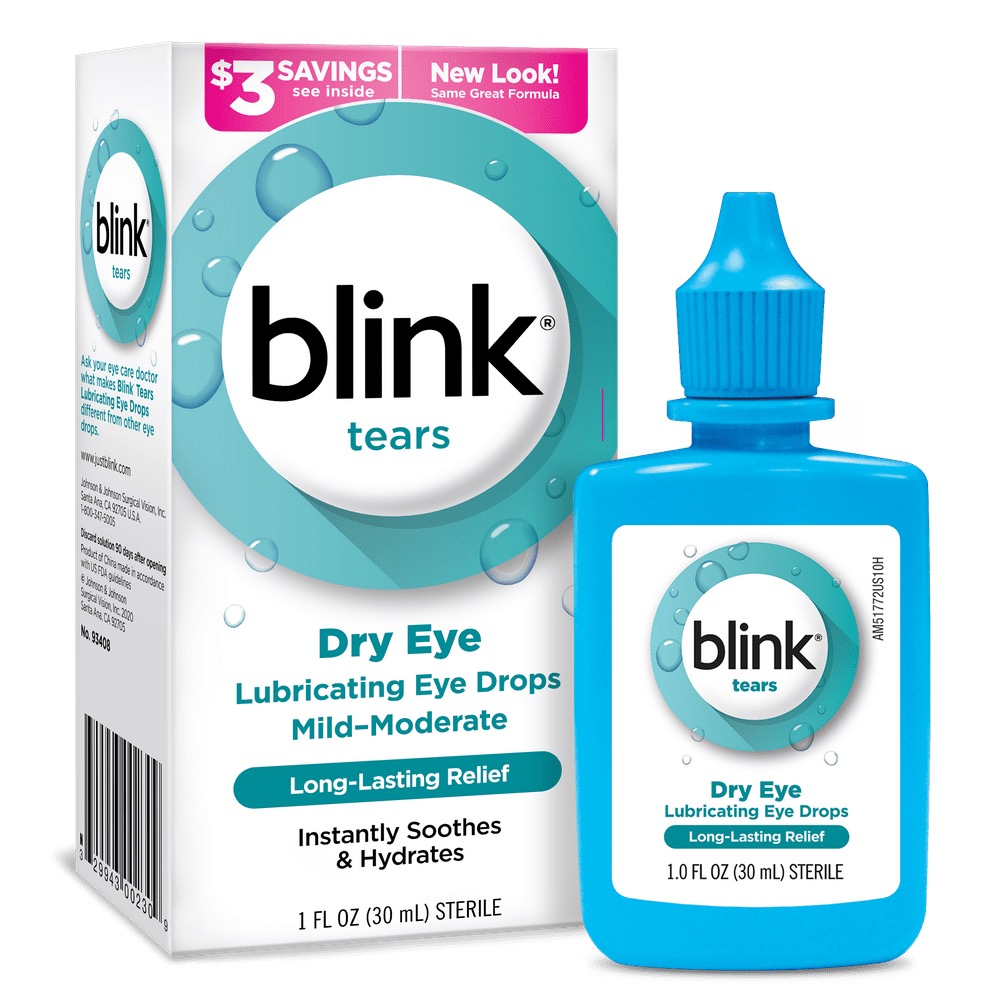
4) Blink Tears Lubricating Eye Drops (Best for Contact Lens Wearers)
Best for daytime users needing lighter-feel comfort and lens-friendly workflow.
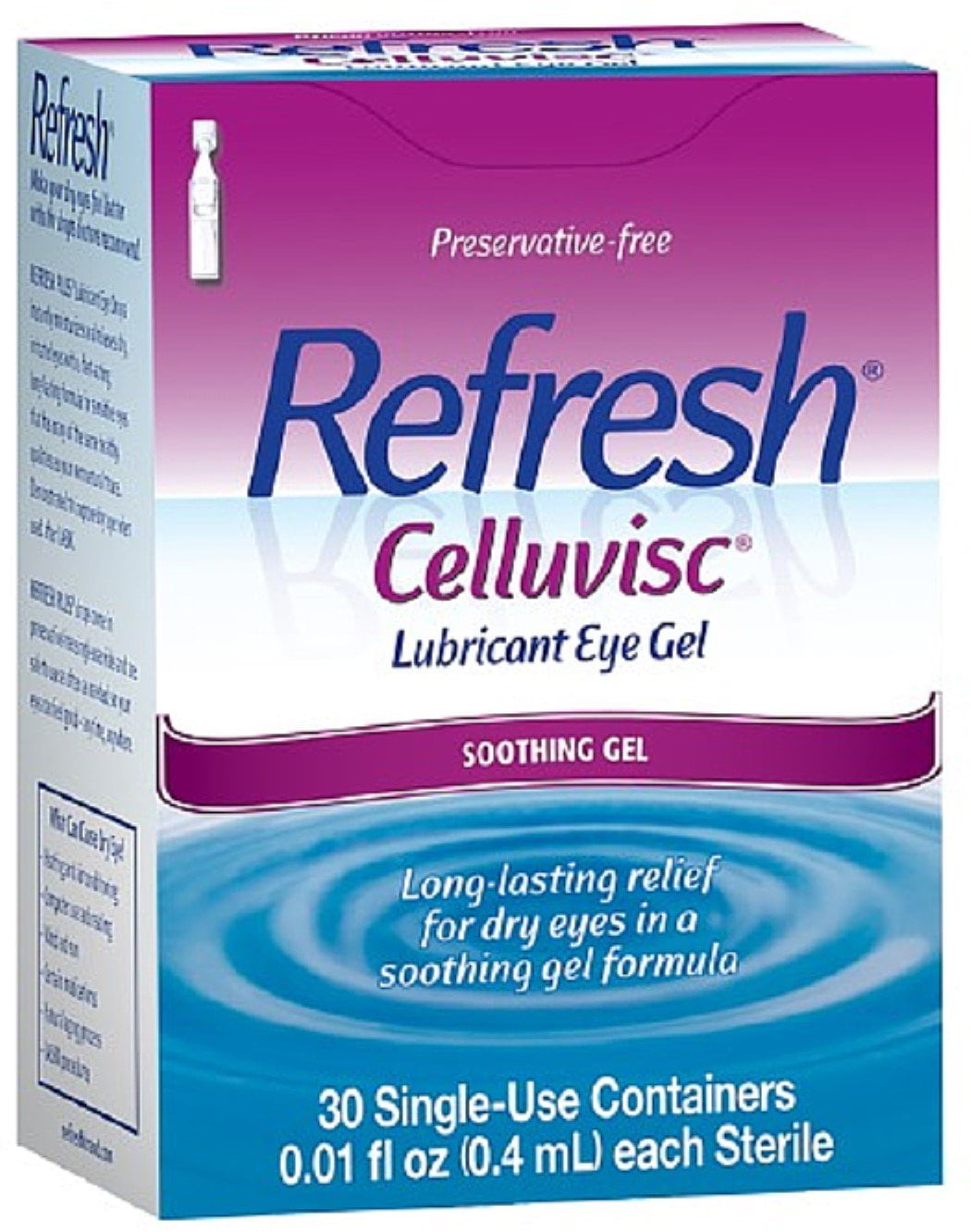
5) Refresh Celluvisc Lubricant Eye Gel (Best Overnight Option)
Best for nighttime dryness and longer-contact comfort routines.
Common Buying Mistakes for Eye Drops for Dry Eyes
- Choosing by brand familiarity only. Formula type and usage pattern matter more.
- Using one viscosity for every context. Day/night needs are often different.
- Ignoring symptom escalation signs. Persistent pain or visual changes need medical evaluation.
- Overusing preserved drops at high frequency. Tolerance can decline over time.
- Skipping usage tracking. Frequency patterns reveal when routine changes are needed.
Practical Dry-Eye Routine Framework
- Track when symptoms spike (screen time, environment, contacts).
- Match drop viscosity to day vs evening needs.
- Choose preservative profile based on use frequency.
- Escalate to professional evaluation if control remains unstable.
When OTC Is Not Enough
If drops are needed very frequently or relief remains short-lived, clinical assessment can identify underlying causes and reduce guesswork.
For safety and consistency, avoid sharing bottles, keep tips clean, and discard products based on label guidance after opening. Basic hygiene habits can improve comfort as much as changing brands.
Last updated: March 1, 2026. Prices and availability subject to change.