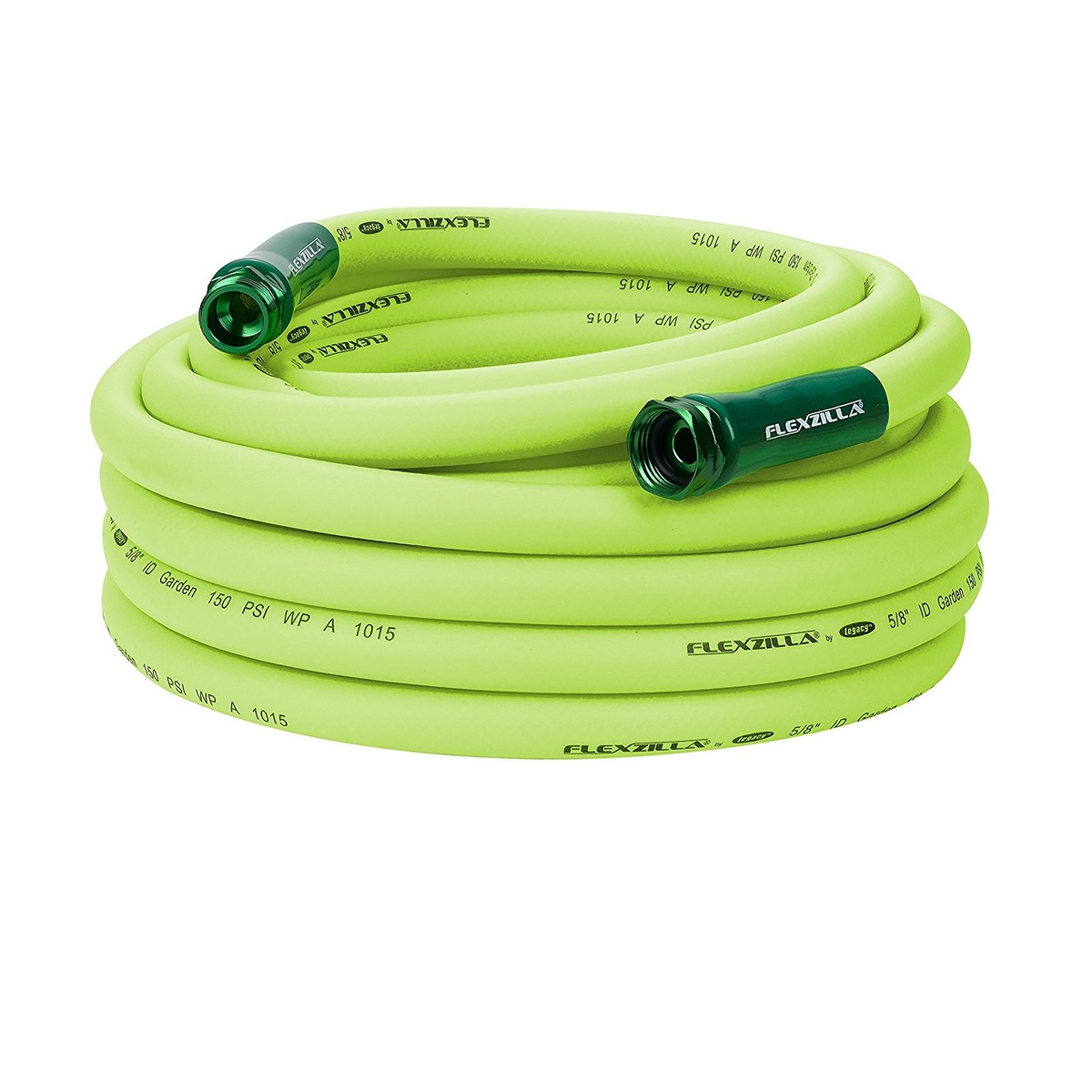
Finding the best garden hose is mostly about reducing daily friction. A hose that kinks every few minutes or feels too heavy to move will slow down every outdoor task, from watering beds to rinsing a patio.
For most homeowners, the right hose comes down to three things: material, weight, and fitting quality. Get those right and your hose lasts longer while staying easier to use.
For more home comparisons, see Home & Living, browse all buying resources in our blog, and review editorial transparency on Brand Facts.
Best Garden Hose Quick Answer
For most yards, Flexzilla 50 ft is the best overall choice because it balances low-kink handling, reasonable weight, and durable fittings. If you need maximum toughness for frequent heavy-duty use, Craftsman Premium Rubber is the stronger long-life pick.
If your outdoor setup includes deep cleaning and repair tasks, compare this list with our best pressure washer picks and best stud finder guide.
5 Key Factors That Matter Most
- Material type: Rubber, vinyl, hybrid, and expandable hoses behave very differently under daily stress.
- Diameter and flow: 5/8 in hoses usually offer better all-purpose flow than narrow compact hoses.
- Burst pressure and durability: Higher pressure ratings usually indicate stronger build for long-term use.
- Fitting quality: Brass and high-grade metal fittings reduce leaks and thread damage.
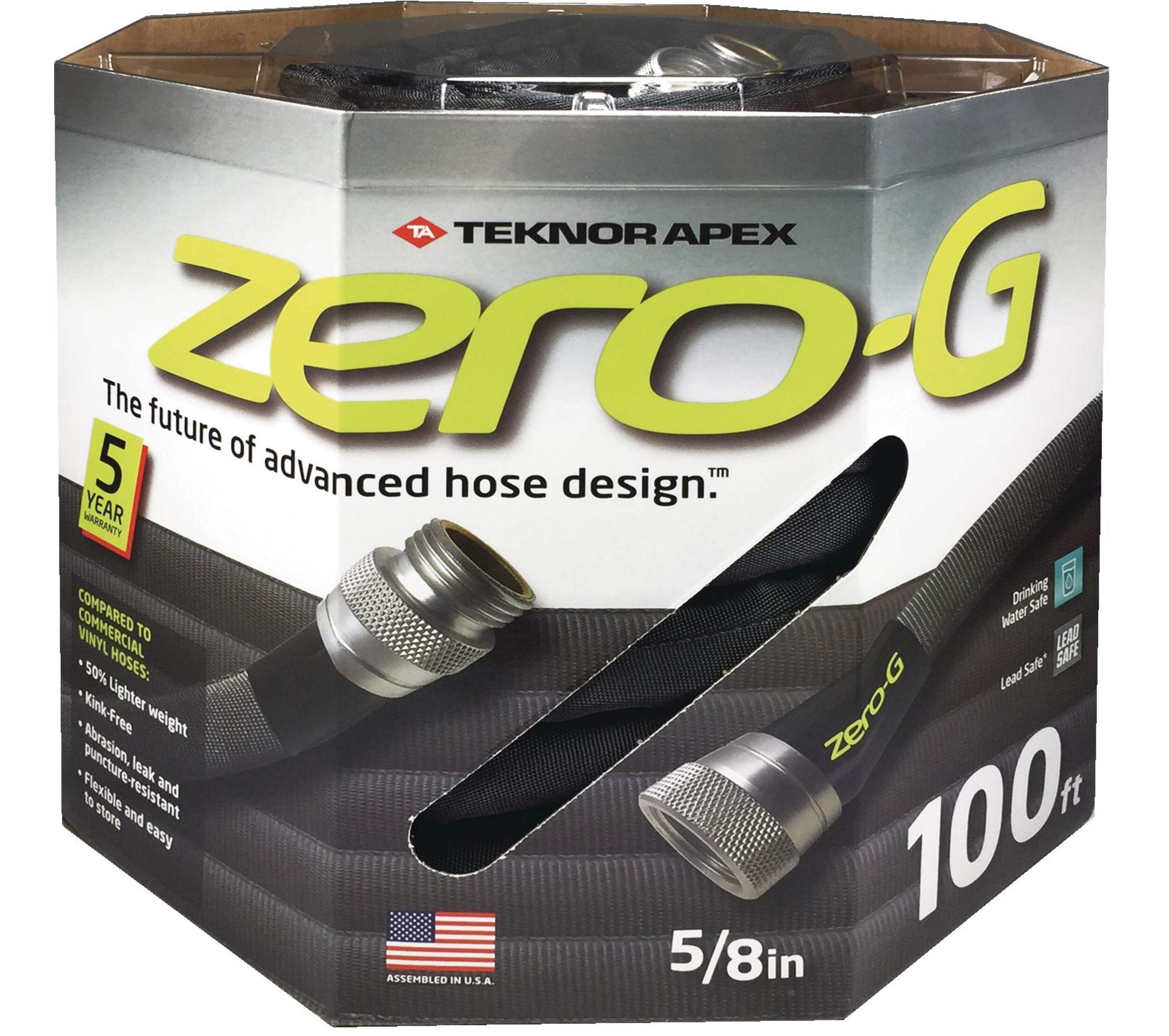
- Drinking-water safety: If hose water may contact pets or edible plants, lead-safe labeling matters.
How We Built This Ranking
We did not run controlled pressure-chamber tests. This ranking combines independent roundup analysis, manufacturer specs, owner feedback trends, and practical criteria such as kink behavior, connector reliability, weight handling, and storage convenience.
We prioritized broad US availability and included multiple hose classes rather than only one style. That matters because a heavy-duty driveway hose and a compact patio hose are different tools.
Performance also depends on storage habits. Sun exposure, tight kinks, and winter freeze damage can shorten lifespan even on premium hoses.
Rubber vs Vinyl vs Expandable Hoses
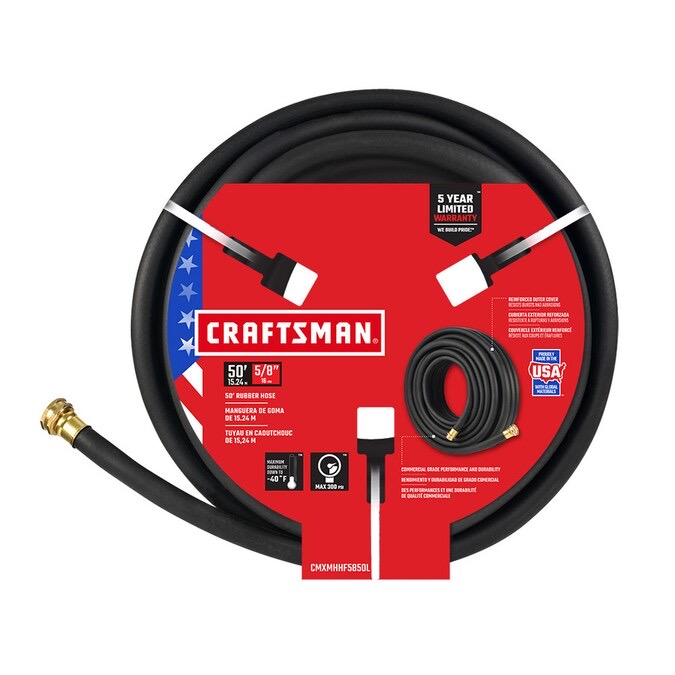
Rubber hoses are usually best for durability and frequent tough use. They handle abrasion well but are heavier.
Vinyl and reinforced vinyl hoses are usually cheaper and serviceable for moderate use, but they can kink more and stiffen in colder weather.
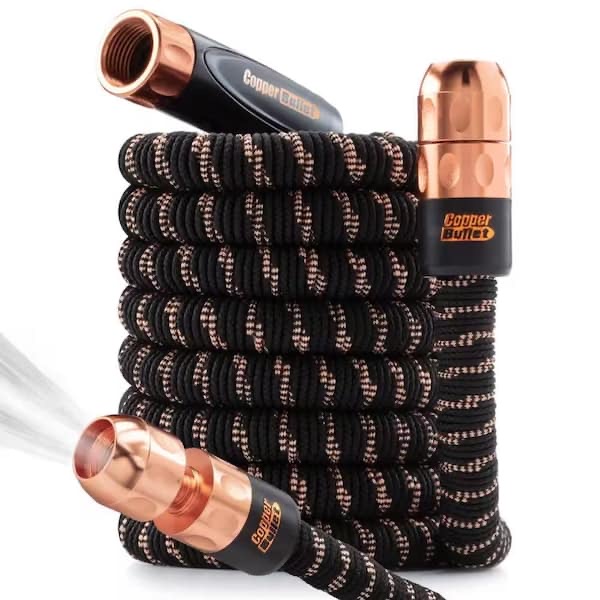
Expandable hoses are easiest to carry and store. They are great for light watering and smaller spaces, but typically require more careful handling to maximize lifespan.
For most households, hybrid polymer or lightweight reinforced hoses often hit the best balance between durability and comfort.
Buying Guide: How to Choose the Right Garden Hose
1) Choose Length and Diameter for Real Yard Size
A 50 ft hose is the common sweet spot for many suburban yards. Longer hoses add reach but also add drag and coil bulk. If your faucet is far from planting zones, consider two shorter hoses with quality couplers instead of one very long line.
For mixed use, stick with 5/8 in diameter. It supports reliable flow for watering tools and rinse tasks.
2) Prioritize Fittings and Kink Resistance
Most hose frustration starts at connectors and tight bends. Look for crush-resistant fittings, secure strain relief near hose ends, and material that coils without fighting you.
If your hose path includes corners, trees, or deck posts, kink resistance matters more than advertised burst pressure.
3) Match Hose Class to Workload
For heavy cleaning or frequent dragging over concrete, choose rubber or heavy-duty hybrid. For lighter patio watering and easy storage, expandable or lightweight woven hoses can be a better fit.
If you also run frequent driveway and siding cleaning, review our best pressure washers guide. For home projects that follow outdoor work, our best stud finders list can help with the indoor side.
Frequently Asked Questions
What is the best garden hose material?
For durability, rubber usually leads. For everyday handling comfort, hybrid polymer and lightweight reinforced hoses are often easier. The best material depends on how hard you use the hose.
Is 5/8 in hose better than 1/2 in?
For most home use, 5/8 in provides stronger all-purpose water flow and better compatibility with common nozzles and tools. Smaller diameter hoses can be lighter but may reduce flow.
Are expandable hoses reliable long term?
They can be reliable for light-to-medium duties if stored properly and not dragged aggressively across abrasive surfaces. For heavy-duty use, traditional hoses are usually more durable.
Do brass fittings matter on a garden hose?
Yes. Brass fittings typically resist cracking and thread damage better than basic plastic connectors. Better fittings reduce leaks over time.
Can I use any garden hose for drinking water?
No. Use only hoses labeled lead-safe or drinking-water-safe for that purpose. Standard utility hoses may not be suitable for potable water contact.
Best Pick by Yard Setup
One hose for most households
Flexzilla Garden Hose (HFZG550YW) is still the strongest all-around balance of flexibility, kink resistance, and comfort for everyday watering.
Frequent heavy cleaning and rough surfaces
Craftsman Premium Rubber Garden Hose is the right move when abrasion resistance and durability matter more than weight.
Users who struggle with hose weight
Teknor Apex Zero-G Lightweight Garden Hose is easier to drag, coil, and store if hand fatigue is a concern.
Small patios, balconies, and tight storage
Pocket Hose Copper Bullet Expandable Hose works best when compact storage and quick setup are the top priorities.
Traditional hose feel at mid-range pricing
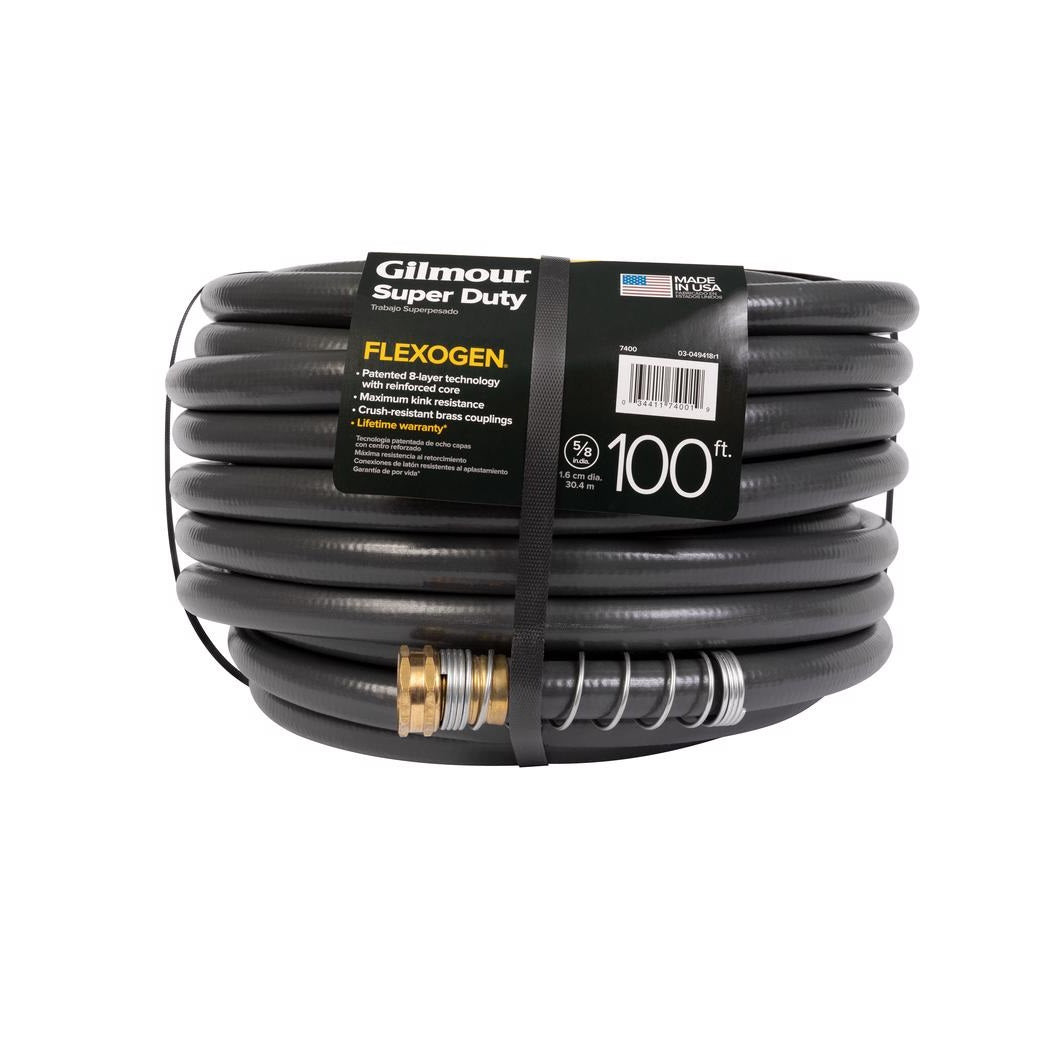
Gilmour Flexogen Super Duty Garden Hose remains a practical pick for users who prefer conventional construction and decent durability.
Common Garden-Hose Mistakes
- Buying excessive length "just in case." Longer hoses are harder to handle and kink more in everyday use.
- Ignoring connector quality. Weak fittings cause leaks and early failure faster than most people expect.
- Leaving hoses pressurized in the sun. Heat and pressure together shorten lifespan.
- Dragging lightweight hoses over abrasive concrete daily. Match hose class to terrain, not only to price.
- Skipping winter storage prep. Draining and storing properly is one of the biggest durability multipliers.
Practical Buying Framework
- Start with length: buy the shortest hose that still covers your farthest watering point.
- Match material to workload: heavy-duty rubber for abuse, hybrid for mixed use, expandable for light-duty convenience.
- Upgrade fittings early: solid connectors and a good nozzle often improve usability more than moving up one hose tier.
Hose Setup Upgrades That Improve Daily Use
Most hose problems blamed on the hose itself are actually setup problems. A few low-cost accessories often create a bigger day-to-day improvement than upgrading to a premium model alone.
- Add a faucet swivel or quick-connect at the spigot. This reduces torsion at the most stressed point and cuts thread wear.
- Use a simple hose guide at hard corners. It prevents snagging and helps preserve plant beds and edging.
- Pick one reliable nozzle and keep it attached. Constant swapping increases leak points and friction.
- Store on a reel or broad hanger, not sharp hooks. Larger bend radius preserves structure and reduces memory kinks.
If you water multiple zones, consider two purpose-specific hoses: one lightweight line for beds and one tougher line for cleaning jobs. This split setup is often easier than trying to force one hose to handle every task.
Last updated: March 1, 2026. Prices and availability subject to change.