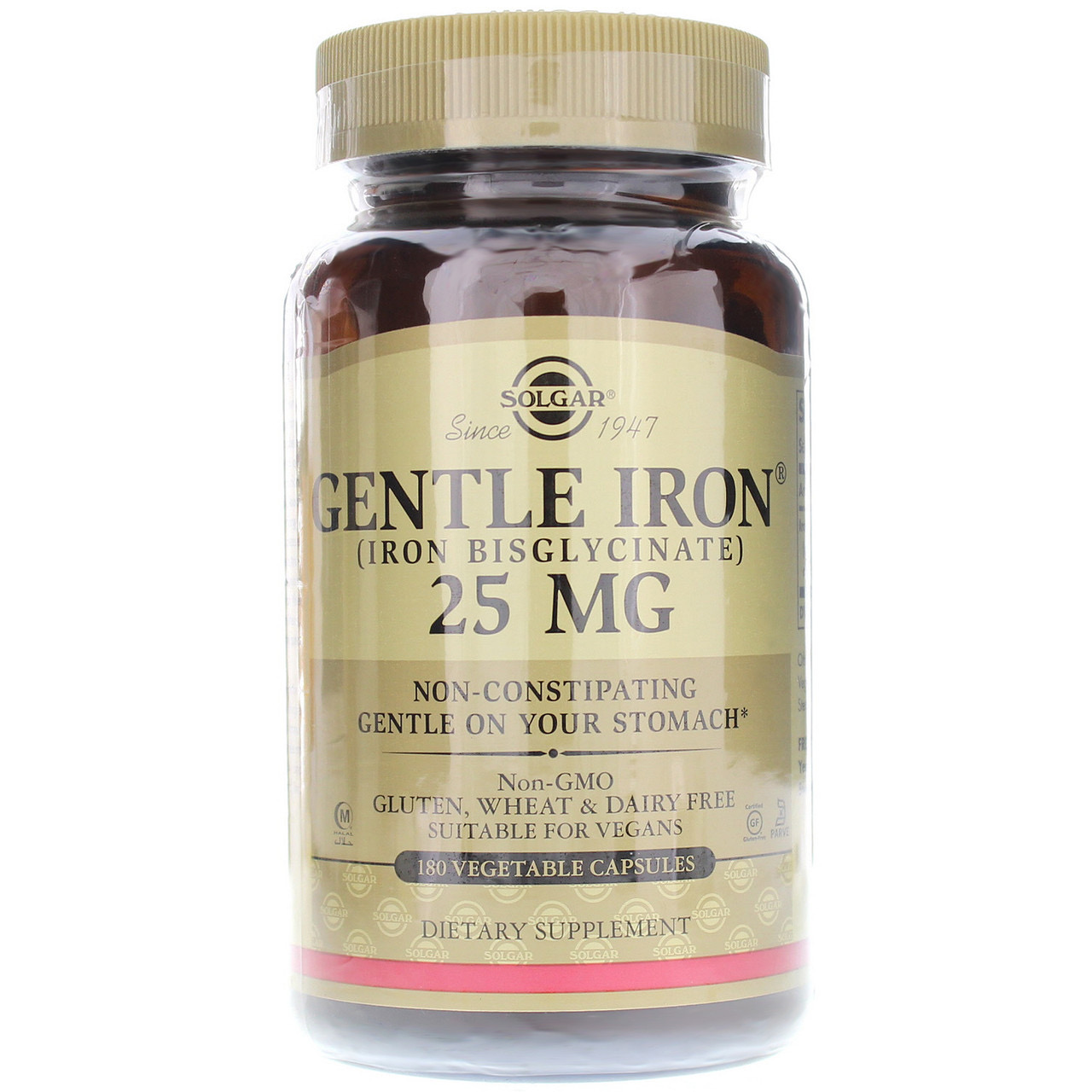
If you are looking for the best iron supplement, the first priority should be form and tolerance, not just highest dose. Ferrous sulfate often provides higher elemental iron at low cost, but gentler forms like bisglycinate may be easier for daily adherence.
Iron needs are individual and should be guided by blood work, especially if symptoms persist.
For more health-wellness comparisons, see Health & Wellness, browse all buying resources in our blog, and review editorial transparency on Brand Facts.
Medical Disclaimer
This guide is informational only and not medical advice. Consult a qualified healthcare provider before starting any supplement, medication, or health product, especially if you are pregnant, nursing, taking medications, or managing a health condition.
Best iron supplement Quick Answer
For most users prioritizing daily tolerance, Solgar Gentle Iron is the strongest all-around starting point. If your clinician recommends a higher-dose ferrous sulfate approach, Slow Fe is usually the better mainstream option.
For related micronutrient planning, compare with best multivitamins for women and best ashwagandha supplement options.
5 Key Factors That Matter Most
- Iron form - Ferrous sulfate and bisglycinate differ in absorption characteristics and GI tolerance patterns.
- Elemental iron dose - Higher dose is not always better without lab-confirmed need.
- GI side-effect profile - Constipation, nausea, and stomach discomfort are common decision factors.
- Vitamin C pairing - Vitamin C may support non-heme iron absorption in some users.
- Quality assurance signals - USP/NSF/Informed program style testing references can help evaluate product quality.
How We Built This Ranking
We did not run clinical hematology trials. This ranking combines independent roundup analysis, ingredient/spec review, user-review trend patterns, and practical ownership criteria such as tolerability, dose clarity, value, and ease of use.
Products scored higher when they offered clear elemental iron labeling and practical daily compliance potential. We included both high-dose ferrous sulfate and gentler bisglycinate options for different user needs.
Iron supplementation may support correction plans but should be guided by blood testing and clinical follow-up.
Ferrous sulfate vs iron bisglycinate: Which Is Better?
Ferrous sulfate is usually better when higher-dose, lower-cost replacement is needed under clinician guidance. Iron bisglycinate is often better for users who prioritize gentler GI tolerance and steady routine adherence.
Choose ferrous sulfate when:
- You need higher elemental doses
- Cost is a major factor
- You are following clinician-directed replacement
Choose iron bisglycinate when:
- GI side effects are your main concern
- You want moderate dose with better tolerance
- You need long-term adherence support
Always confirm need and duration with lab testing.
Buying Guide: How to Choose the Right Iron Supplement
1) Start With Blood Work and Clinical Context
Ferritin, hemoglobin, and related labs provide better guidance than symptoms alone. Self-prescribing high-dose iron without testing can lead to poor outcomes and side effects.
If you are unsure, ask your healthcare provider for baseline labs before starting.
2) Match Dose and Form to Tolerance
If you have history of constipation or nausea, gentler forms may improve consistency. If your provider recommends stronger replacement, higher-dose ferrous sulfate may be appropriate with monitoring.
Taking iron with vitamin C-rich food or a dedicated vitamin C cofactor may support absorption, while calcium-rich timing can reduce it.
3) Build a Sustainable Routine
Take iron away from coffee, tea, and high-calcium meals when possible, since absorption may be affected. Consistent timing matters more than random high-dose intake.
For broader nutrient planning, pair this guide with best multivitamins for women and supportive stress/sleep categories like best ashwagandha supplement options, and review combinations with a healthcare provider.
Frequently Asked Questions
What is the best iron supplement for sensitive stomach?
Many users with GI sensitivity do better with bisglycinate forms and moderate dosing. Controlled-release ferrous sulfate may also help some people. Individual tolerance still varies.
Should I take iron with vitamin C?
Vitamin C may support non-heme iron absorption in some cases. Pairing iron with vitamin C-rich foods is a common strategy. Discuss dose timing with your clinician.
How long does iron supplementation take to work?
Timelines vary and depend on baseline levels and adherence. Follow-up blood tests are needed to assess response. Do not rely on symptoms alone.
Can I take iron every day without testing?
Routine high-dose use without blood testing is not ideal. Iron needs differ widely and excess intake can cause problems. Clinical guidance is recommended.
What causes constipation with iron supplements?
Constipation is a common side effect, especially with higher-dose ferrous sulfate. Hydration, fiber, and form selection may help. Consult your healthcare provider if symptoms persist.
Who Each Pick Is Best For
1) Solgar Gentle Iron 25 mg (Best Overall)
Choose Solgar Gentle Iron 25 mg if your priority is users wanting gentler daily iron support. In this ranking, it sits at $12-$18 and stands out for Iron bisglycinate form for gentler GI profile. The main tradeoff is May be slower to correct severe deficiency without clinical oversight. This is the better fit when your day-to-day routine matches this product's strengths instead of chasing headline specs.
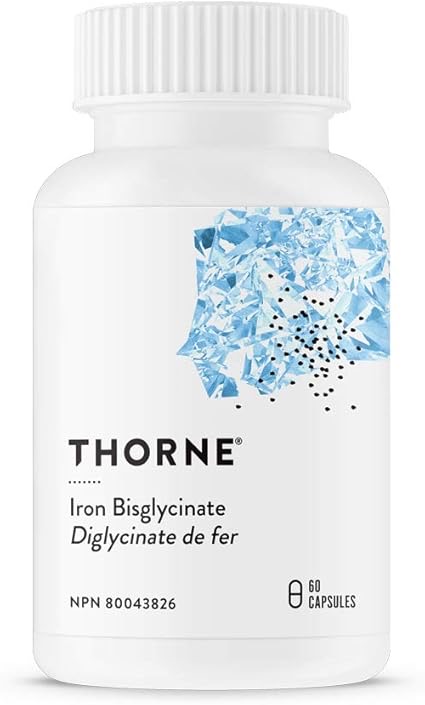
2) Thorne Iron Bisglycinate 25 mg (Best Premium Gentle Iron)
Choose Thorne Iron Bisglycinate 25 mg if your priority is users wanting premium gentle iron option. In this ranking, it sits at $15-$22 and stands out for Bisglycinate form with good tolerance reputation. The main tradeoff is Higher cost per capsule. This is the better fit when your day-to-day routine matches this product's strengths instead of chasing headline specs.
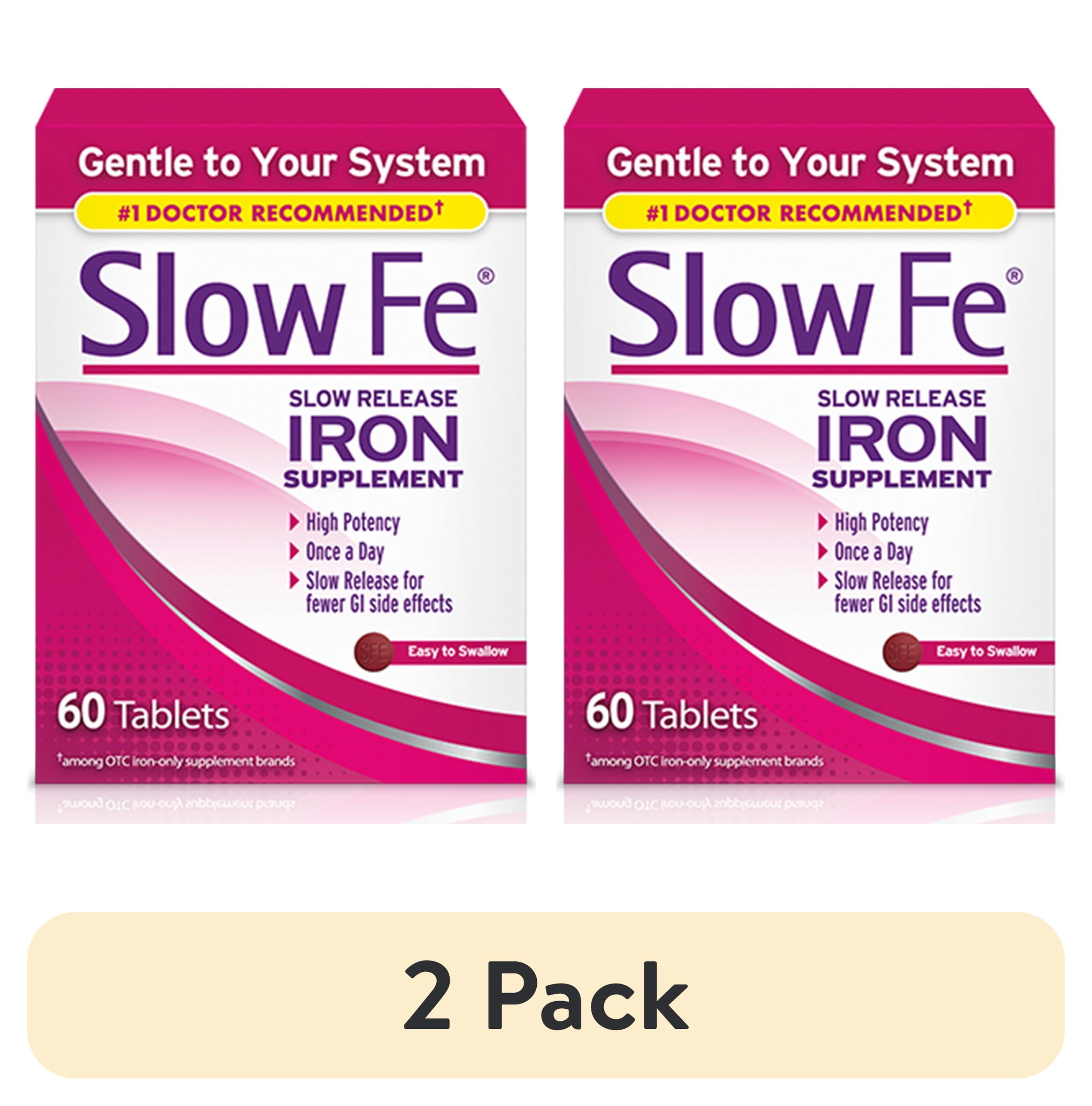
3) Slow Fe Iron Supplement (Best Controlled-Release Option)
Choose Slow Fe Iron Supplement if your priority is users needing higher-dose mainstream iron. In this ranking, it sits at $11-$17 and stands out for Controlled-release tablet format. The main tradeoff is Ferrous sulfate may still cause GI discomfort. This is the better fit when your day-to-day routine matches this product's strengths instead of chasing headline specs.
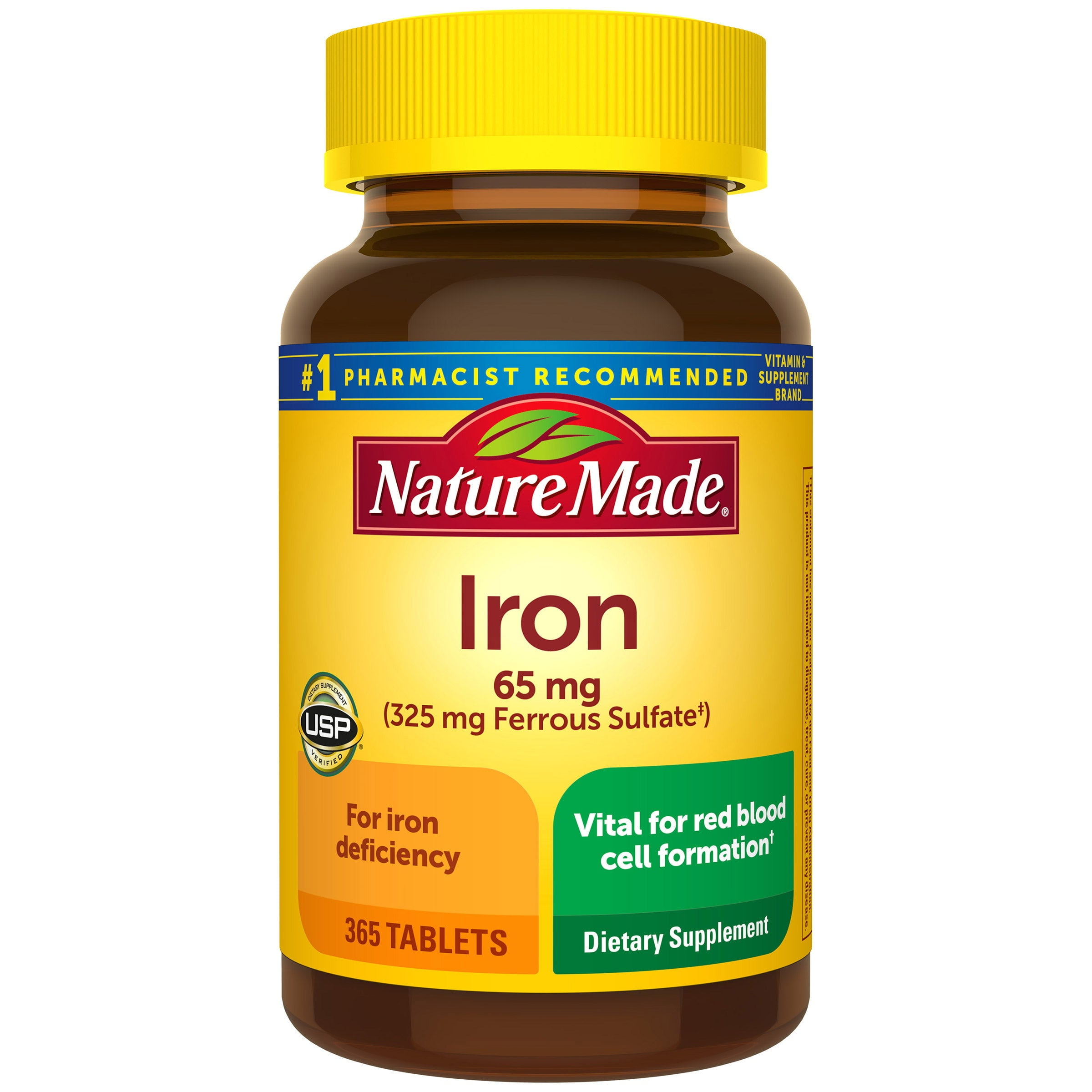
4) Nature Made Iron 65 mg (Best Budget High-Dose)
Choose Nature Made Iron 65 mg if your priority is budget users under clinician-guided replacement. In this ranking, it sits at $8-$14 and stands out for Low cost. The main tradeoff is Greater constipation/nausea risk for some users. This is the better fit when your day-to-day routine matches this product's strengths instead of chasing headline specs.
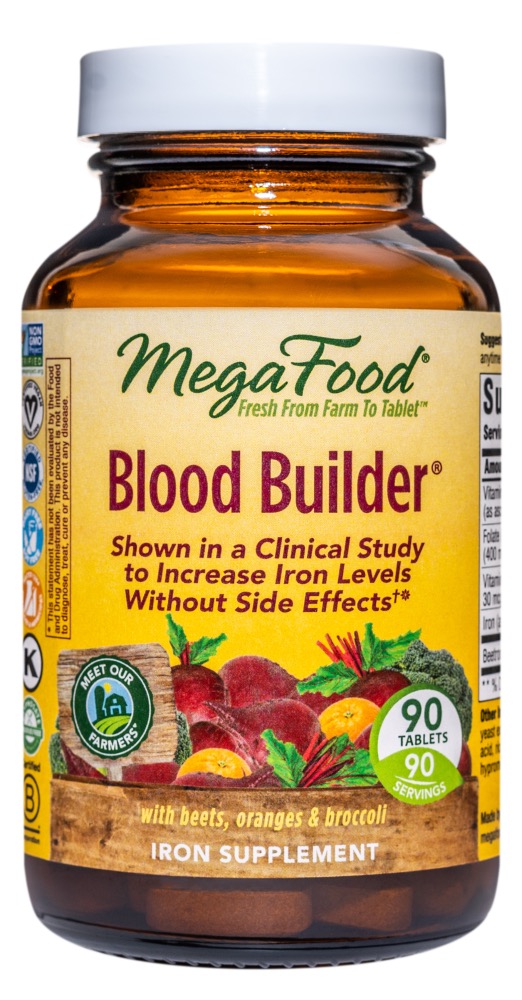
5) MegaFood Blood Builder (Best Iron + Cofactor Blend)
Choose MegaFood Blood Builder if your priority is users wanting iron with cofactors in one tablet. In this ranking, it sits at $24-$36 and stands out for Includes vitamin C and folate cofactors. The main tradeoff is Higher price per serving. This is the better fit when your day-to-day routine matches this product's strengths instead of chasing headline specs.
Common Buying Mistakes for Iron Supplement
- Starting supplementation without blood testing. Iron needs vary and should be guided by clinical context.
- Using high doses without monitoring. Excess intake can increase side effects and is not always appropriate.
- Ignoring form-specific tolerance. Bisglycinate, sulfate, and blend formulas can feel very different in GI response.
- Taking iron with coffee, tea, or calcium-heavy meals. Timing mistakes can reduce absorption.
- Stopping too early after symptom improvement. Follow-up labs and clinician guidance should determine duration.
Practical Selection Framework
- Confirm need with your clinician and baseline labs.
- Choose a form that balances dose goals and tolerance.
- Use consistent timing and follow-up testing to assess response.
- Reassess with your healthcare provider before making major dose changes.
Best Pick by Tolerance and Routine
Gentle daily support approach
Solgar Gentle Iron 25 mg remains the most balanced option for many users prioritizing tolerability.
Premium gentle bisglycinate choice
Thorne Iron Bisglycinate 25 mg is the stronger fit for users comfortable paying more for a simplified ingredient profile.
Controlled-release mainstream option
Slow Fe Iron Supplement is useful when clinician-guided higher replacement is needed with release control.
Budget high-dose option under medical guidance
Nature Made Iron 65 mg is the practical low-cost route when higher-dose replacement is specifically recommended.
Iron plus cofactors in one formula
MegaFood Blood Builder fits users who prefer a combined-support format and tolerate it well.
Last updated: March 1, 2026. Prices and availability subject to change.