If you are searching for the best whitening toothpaste, you are probably trying to balance two competing goals: brighter-looking teeth and a routine that does not make your mouth feel irritated. That tradeoff matters because a formula that looks strong on paper is not useful if you stop using it after a week.
For most people, daily whitening toothpaste works best for gradual stain management from coffee, tea, wine, and tobacco exposure. It does not behave like an in-office whitening treatment, and results vary by your baseline tooth shade, enamel condition, and consistency.
For more health-wellness comparisons, see Health & Wellness, browse all buying resources in our blog, and review editorial transparency on Brand Facts.
Medical Disclaimer
This guide is informational only and not medical advice. Consult a qualified healthcare provider before starting any supplement, medication, or health product, especially if you are pregnant, nursing, taking medications, or managing a health condition.
Best Whitening Toothpaste Quick Answer
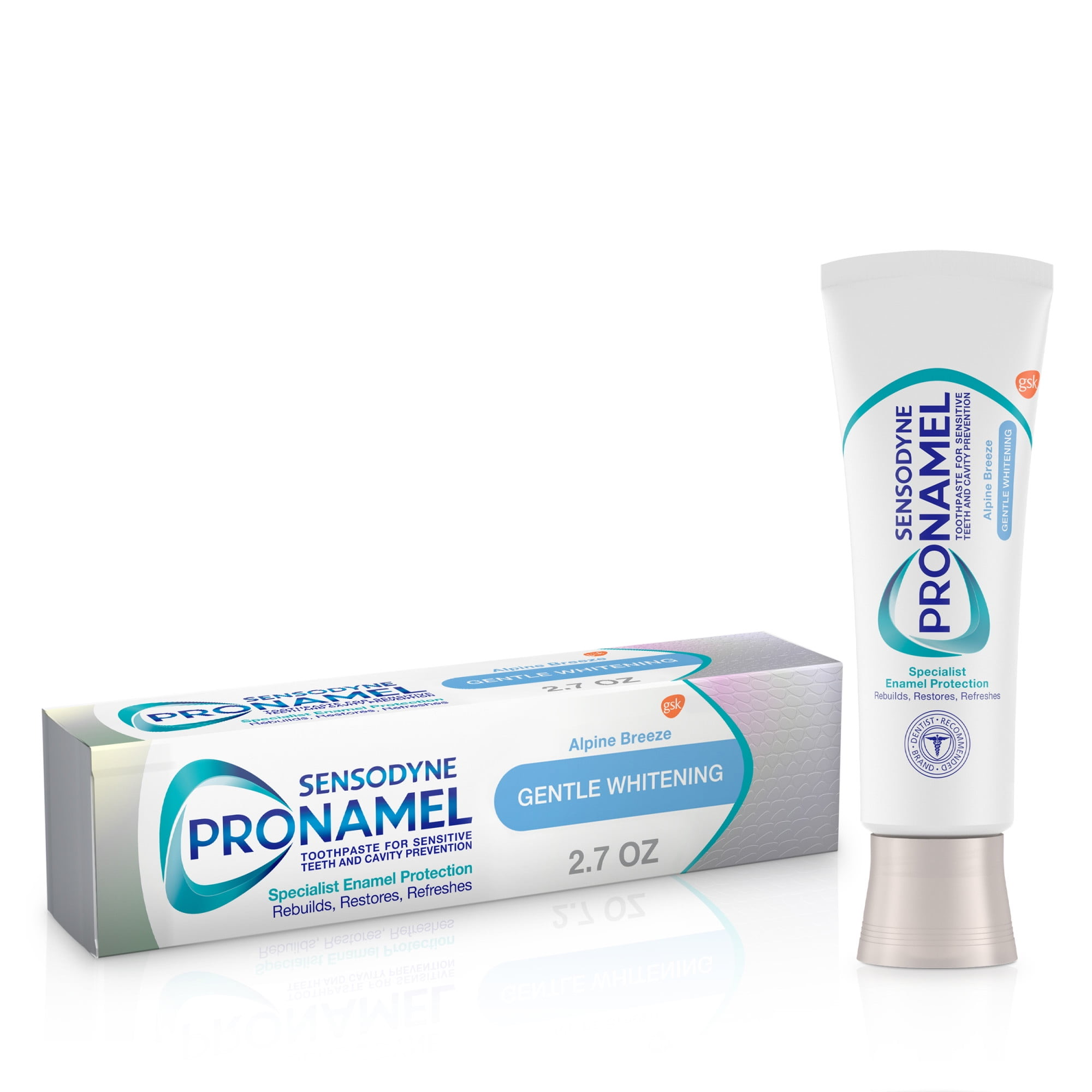
If you want one default pick that balances whitening strength, daily usability, and value, Crest 3D White Brilliance is the strongest starting point for most shoppers. If your teeth run sensitive, Sensodyne Pronamel Gentle Whitening is usually the safer first try even if whitening may be slower.
If you want broader at-home options beyond toothpaste, compare this page with our full best teeth whitening products guide. For non-whitening daily formulas, use our best toothpaste comparison.
5 Key Factors That Matter Most
- Whitening mechanism. Peroxide formulas can whiten faster, while peroxide-free formulas often focus on gentler stain polishing.
- Sensitivity risk. If cold drinks already bother you, choose a lower-intensity formula and watch for irritation in week one.
- Fluoride and cavity support. Whitening should not come at the cost of daily cavity prevention for most users.
- Abrasivity and enamel feel. More aggressive polishing can help with stain lift but may feel harsh if overused.
- Cost per month. Whitening toothpaste is a repeat purchase, so long-term cost matters more than one-tube pricing.
How We Built This Ranking
We did not run lab or clinical whitening tests. This ranking combines independent roundup analysis, manufacturer specification review, user-review trend patterns, and practical ownership criteria like price stability and everyday tolerability.
For each pick, we weighted ingredient approach, consistency for daily brushing, and the most common complaints seen in buyer feedback. We also looked at how each product fits specific needs: stronger peroxide whitening, gentler sensitivity-focused use, lower-cost maintenance, and peroxide-free routines.
Because these are over-the-counter products, we treat claims conservatively. We avoid guaranteed shade-change promises and focus on realistic use cases you can maintain.
Peroxide-Based vs Peroxide-Free Whitening Toothpaste: Which Is Better?
Peroxide-based toothpaste is typically better if your priority is faster visible brightening from common surface stains. Peroxide-free formulas are usually better if sensitivity, ingredient preference, or daily comfort is your limiting factor.
Use peroxide-based options when:
- You have moderate stain buildup from coffee or tea
- You tolerate whitening formulas without lingering zing or soreness
- You are okay with a short adaptation period
Use peroxide-free options when:
- Your teeth react quickly to whitening agents
- You want low-friction long-term maintenance
- You prefer gradual cosmetic improvement over higher intensity
Most shoppers should start conservative, then step up only if needed.
Buying Guide: How to Choose the Right Whitening Toothpaste
1) Match Whitening Strength to Your Sensitivity Profile
Start by deciding how reactive your teeth are. If cold air, iced drinks, or sweet foods already trigger discomfort, begin with a gentler formula. A product you can use consistently twice daily usually outperforms an aggressive option you abandon.
If you are not sensitivity-prone, a peroxide-based formula can be a practical first-line option for stain-heavy routines. Still, monitor comfort for 7-10 days and reduce frequency if needed.
2) Set Realistic Expectations for At-Home Whitening
Whitening toothpaste is best for surface stain management, not dramatic shade transformation. Think of it as maintenance with modest brightening potential. Professional treatments and whitening strips can be stronger, but they also carry higher sensitivity risk for some users.
If your goal is faster change, pair a moderate whitening toothpaste with intermittent use of strips from our best teeth whitening products guide. Keep expectations realistic and stop if irritation increases.
3) Check Fluoride, Abrasivity, and Long-Term Value
A good whitening toothpaste still needs to support basic oral health priorities. For most users, that means fluoride coverage and an abrasivity profile that feels sustainable for daily use.
Before buying a multi-pack, calculate 60-90 day cost and confirm the flavor and texture are tolerable. This sounds small, but adherence often fails on mouthfeel and aftertaste, not ingredient labels.
If you are unsure, test one tube first, then scale up once comfort and routine fit are clear.
Frequently Asked Questions
Can whitening toothpaste remove deep yellowing or intrinsic stains?
Usually not by itself. Whitening toothpaste mainly targets surface stains from coffee, tea, and similar habits. Deeper discoloration often needs dentist-guided options or stronger whitening systems.
How can I whiten without triggering sensitivity?
Start with gentler or sensitivity-support formulas and avoid combining multiple whitening products on day one. If discomfort appears, reduce frequency and prioritize enamel-friendly brushing habits.
Can I use whitening strips and whitening toothpaste together?
Yes, many people do, but layering products too aggressively can increase irritation. A common approach is daily whitening toothpaste plus periodic strip use, with rest days if sensitivity rises.
Is daily whitening toothpaste safe long-term?
For most users, daily use is acceptable when the formula is designed for routine brushing and your technique is gentle. Brushing pressure and duration matter as much as the toothpaste itself.
When should I stop DIY whitening and see a dentist?
If sensitivity persists, gums are irritated, or shade changes stall despite consistent use, professional evaluation is the smarter next step.
Who Each Pick Is Best For
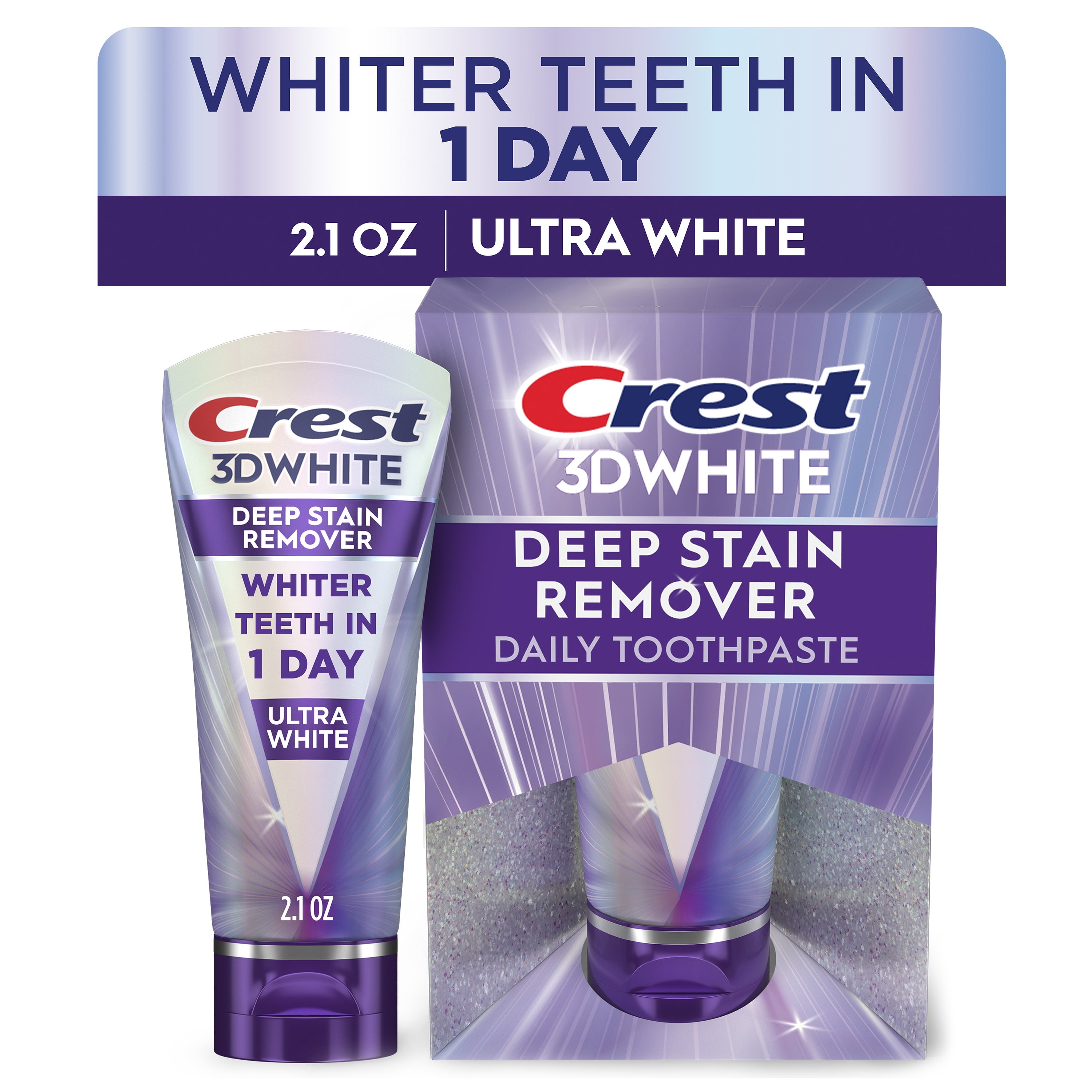
1) Crest 3D White Brilliance Deep Stain Remover (Best Overall)
Best for most users who want stronger day-to-day surface stain control and are comfortable with a peroxide-forward routine.
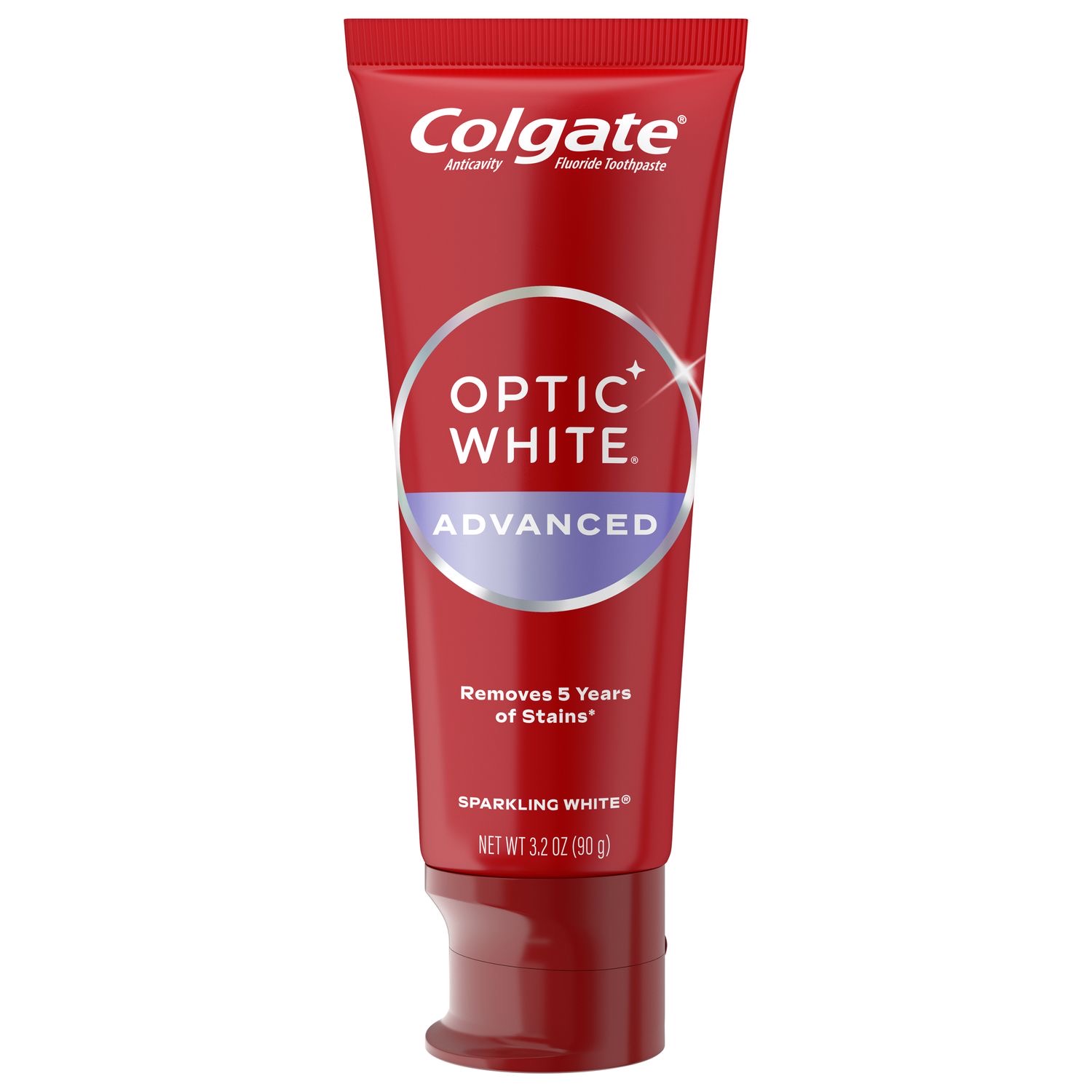
2) Colgate Optic White Pro Series Toothpaste (Best Value)
Best for buyers who want peroxide whitening performance at a more accessible long-term price.
3) Sensodyne Pronamel Gentle Whitening (Best for Sensitivity)
Best for sensitivity-prone users who need a gentler formula they can actually use consistently.
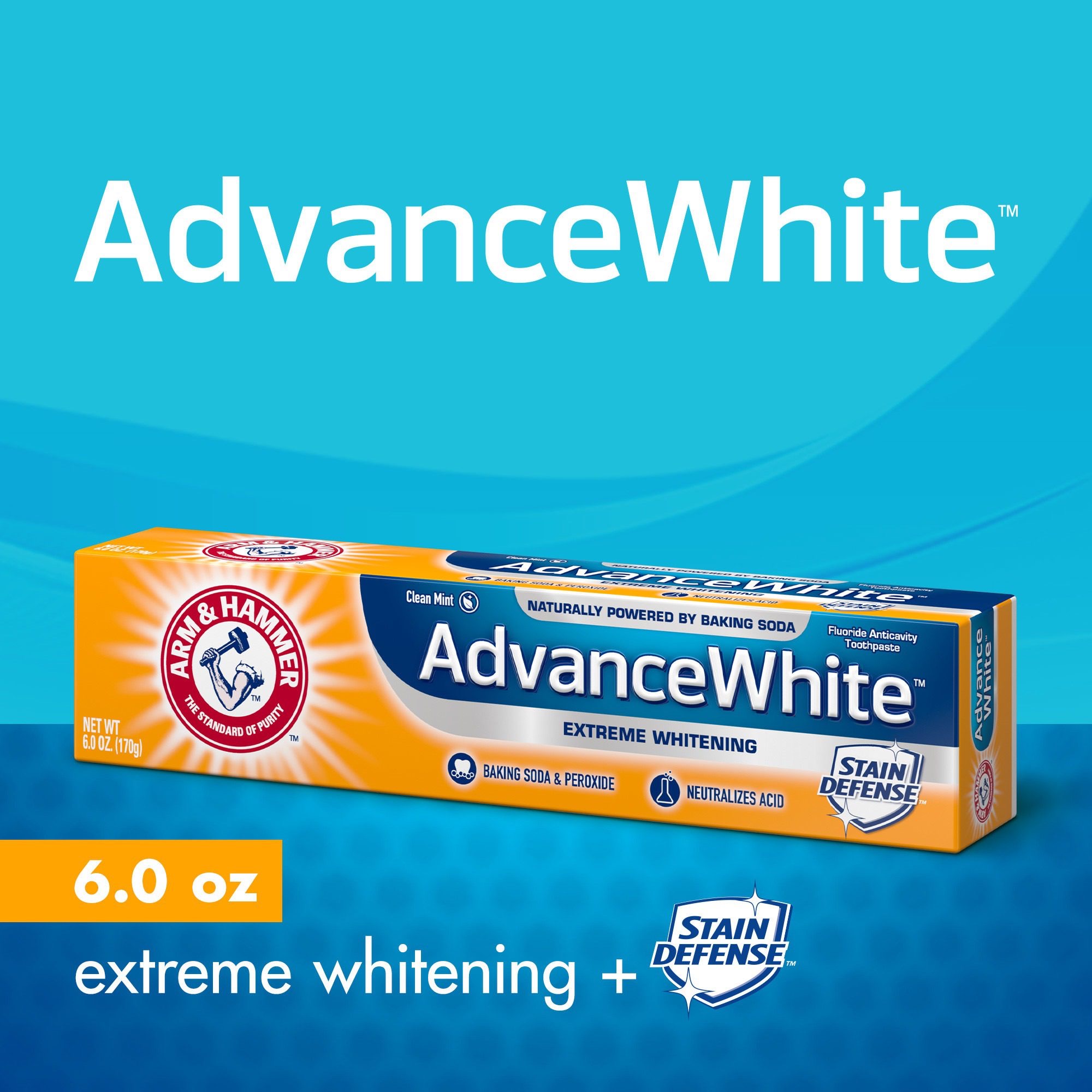
4) Arm & Hammer Advance White Extreme Whitening (Best Budget)
Best for cost-focused shoppers who want basic whitening support without premium pricing.
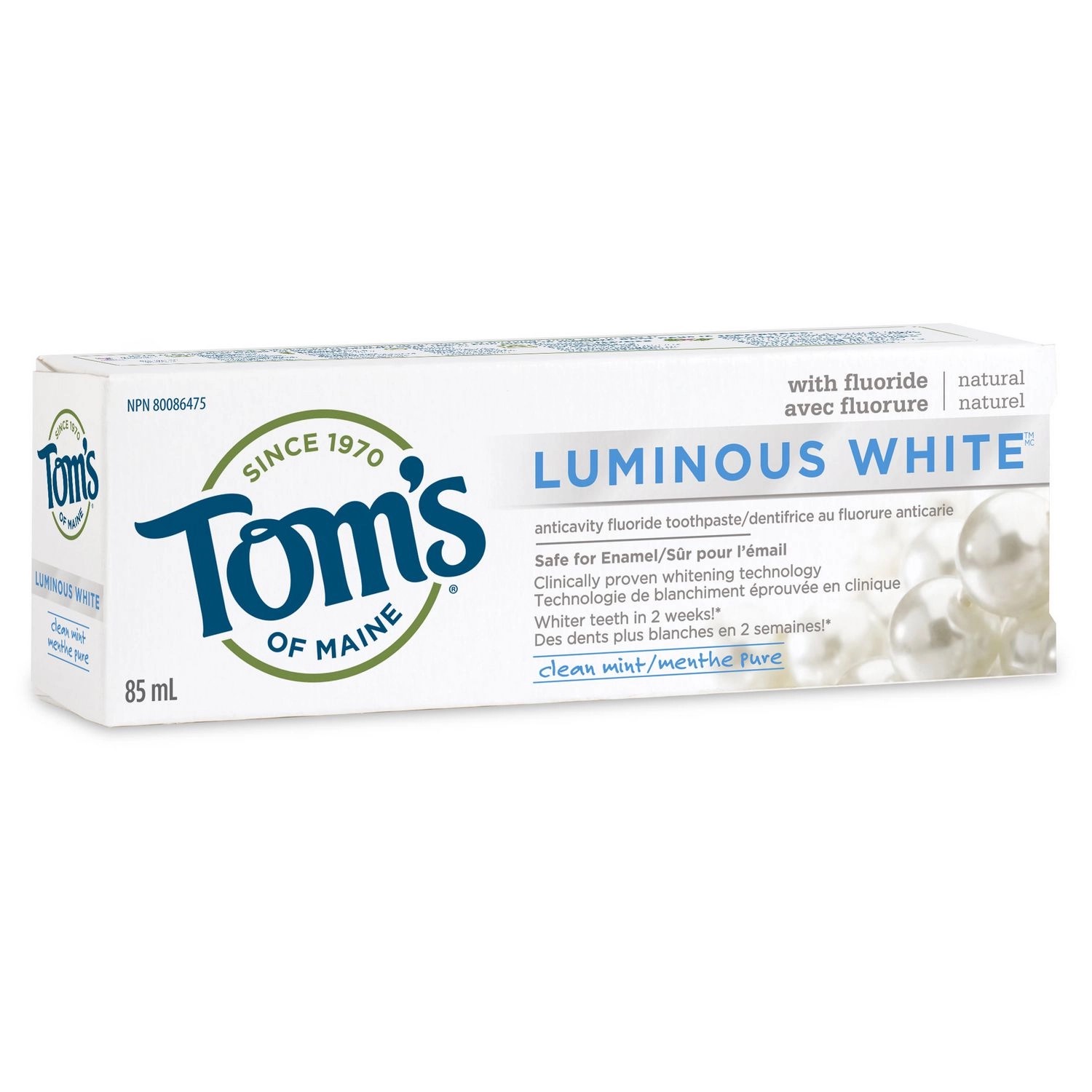
5) Tom's of Maine Luminous White Toothpaste (Best Peroxide-Free Option)
Best for users who prefer peroxide-free maintenance and slower, more conservative brightening.
Common Buying Mistakes for Whitening Toothpaste
- Expecting dramatic shade jumps from toothpaste alone. Most formulas are maintenance-level whitening, not instant transformation.
- Using too many whitening products at once. Stacking strips, harsh brushing, and strong toothpaste can increase sensitivity quickly.
- Ignoring technique. Gentle two-minute brushing and consistent timing often matter more than switching brands every week.
- Buying multipacks before tolerance is clear. Test one tube first if you are sensitivity-prone.
- Choosing flavor over adherence fit. If taste or mouthfeel is unpleasant, long-term consistency drops.
Simple 4-Week Whitening Routine
- Use your chosen toothpaste twice daily with gentle pressure.
- Track sensitivity and appearance weekly, not day-to-day.
- If needed, add a stronger whitening method only after tolerance is stable.
- Reassess after week four and adjust frequency instead of over-intensifying.
Last updated: March 1, 2026. Prices and availability subject to change.