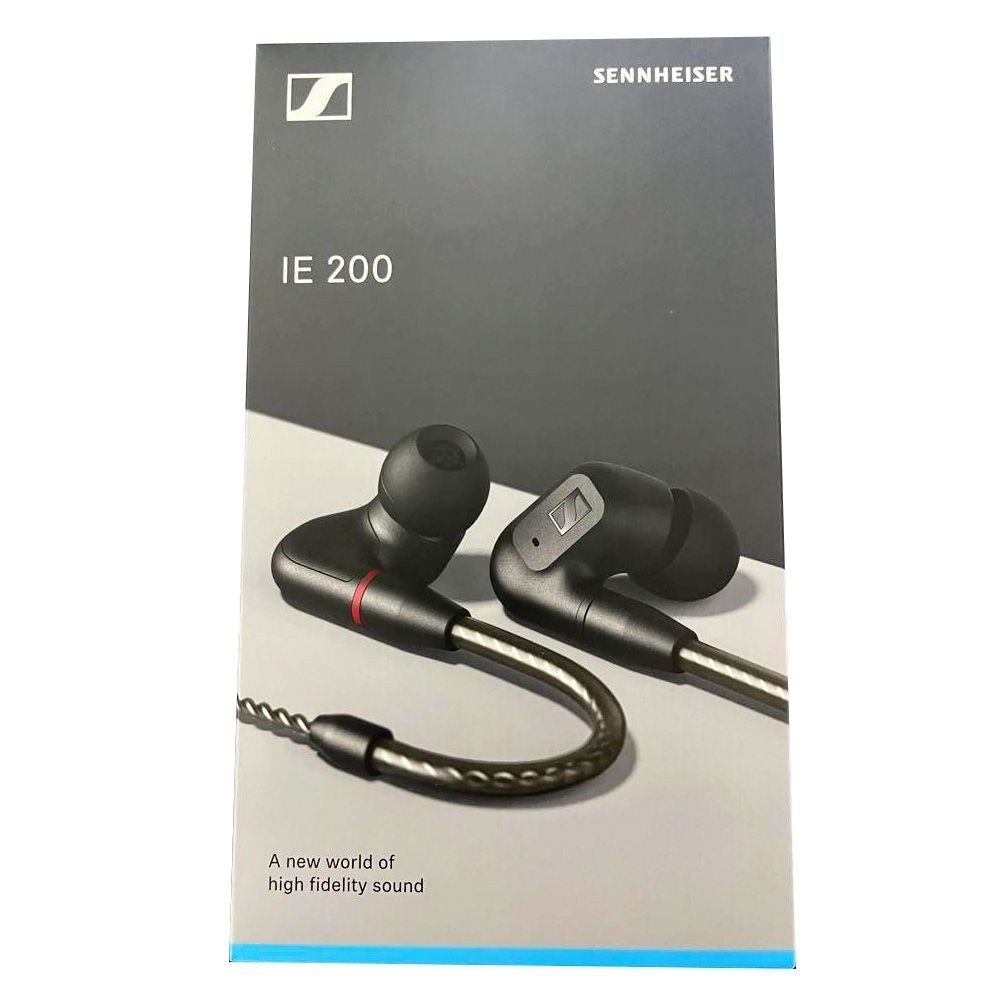
If you are looking for the best wired earbuds, the biggest advantage is still reliability. You get consistent low-latency audio, no battery anxiety, and no Bluetooth pairing friction. For many users, that makes wired earbuds a better daily tool for gaming, editing, and long listening sessions than similarly priced wireless models.
Wired earbuds also span very different use cases. Some are tuned for balanced listening, others for passive isolation, and others for gaming convenience. Choosing by connector type and fit style is often more important than chasing one-size-fits-all rankings.
For more audio comparisons, see Audio, browse all buying resources in our blog, and review editorial transparency on Brand Facts.
Best Wired Earbuds Quick Answer
For most buyers, Sennheiser IE 200 is the best overall wired option because it balances sound quality, comfort, and long-term usability. If you need maximum passive isolation for commute or stage-style use, Shure SE215 PRO is the stronger fit.
If you also want wireless alternatives, compare this guide with our best earbuds page and our best headphones list.
5 Key Factors That Matter Most
- Fit and seal stability - Wired audio quality depends heavily on getting a stable tip seal and comfortable insertion depth.
- Connector and compatibility - 3.5 mm remains universal for many devices, while USB-C options are useful on newer phones and tablets.
- Driver design and tuning - Dynamic, balanced armature, and hybrid setups shape tonal character differently.
- Cable quality and replaceability - Detachable cables improve repairability and long-term ownership value.
- Use-case latency requirements - For gaming and editing, wired signal consistency can outperform Bluetooth reliability.
How We Built This Ranking
We did not run in-house frequency measurements. This ranking combines independent roundup analysis, manufacturer specs, user feedback patterns, and practical ownership criteria like comfort, cable durability, and connection reliability.
For wired earbuds, we weighted fit, consistency, and long-session fatigue heavily. Products with great short demo impressions but weaker real-world comfort ranked lower.
We also included both premium and budget tiers to match different buyer goals, from serious listening to low-cost daily utility.
Why Each Product Ranked Where It Did
1) Sennheiser IE 200 (Best Overall)
IE 200 ranked first for combining detailed sound, light shells, and upgrade-friendly cable design in a way that fits both casual and serious listeners. It is the most complete recommendation in this batch for buyers who want one long-term wired pair.
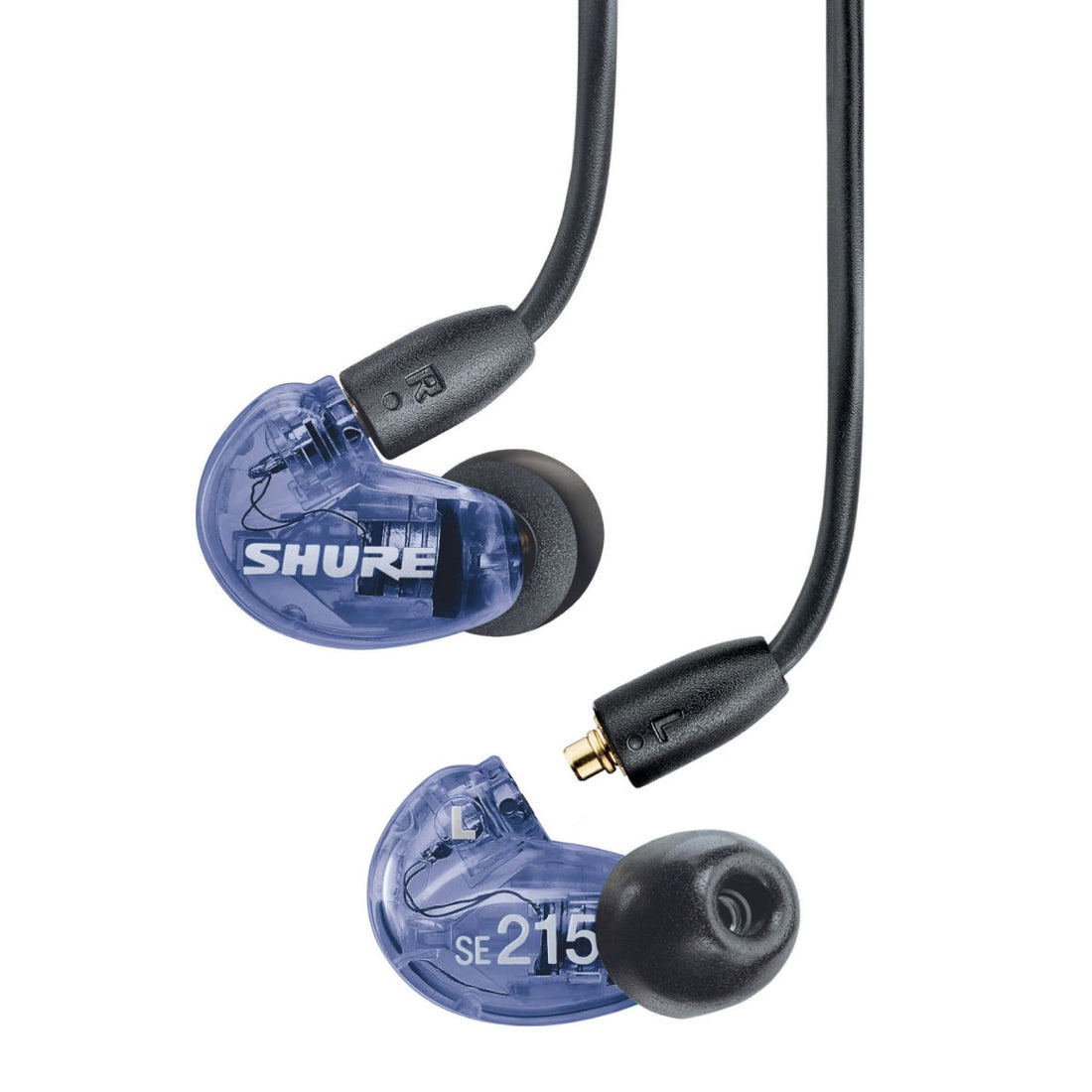
2) Shure SE215 PRO (Best for Stage Isolation)
Shure ranked second because passive isolation and durable fit are excellent for commuting and performance-style use. It lost the top spot mainly on tonal openness compared with newer competitors.
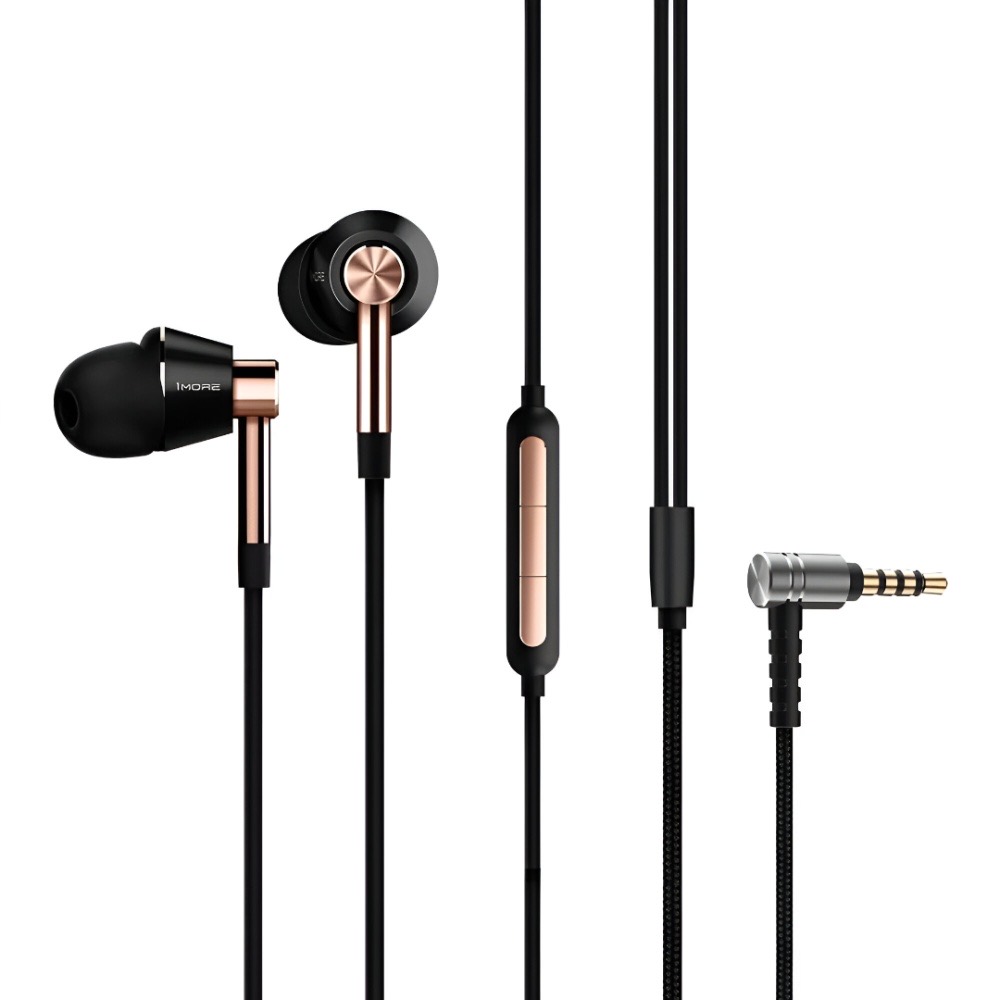
3) 1MORE Triple Driver (Best Hybrid Driver Value)
1MORE ranked third for strong mid-range value and hybrid driver design at a moderate price. It remains a practical recommendation, though fixed-cable design and fit variation reduce long-term flexibility.
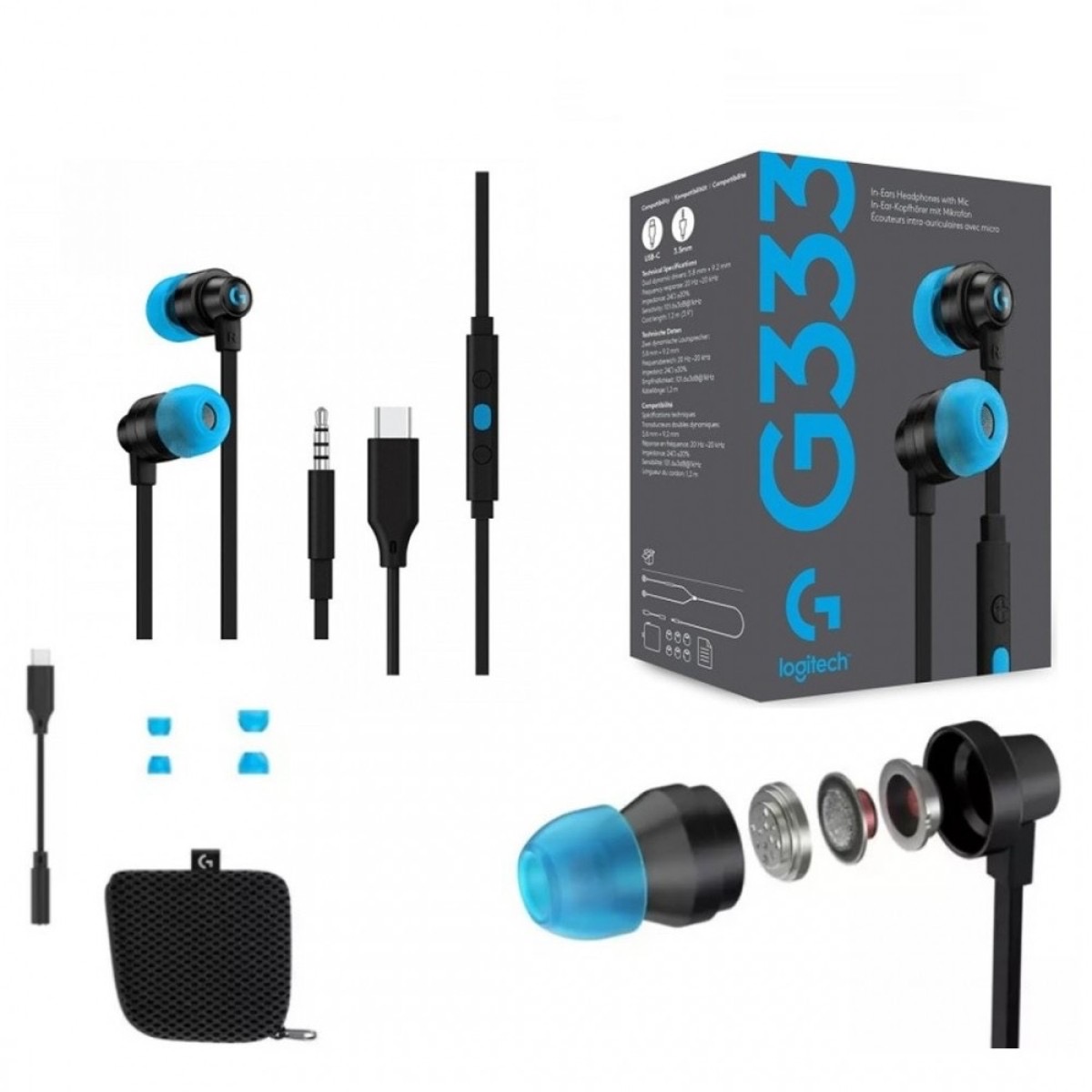
4) Logitech G333 (Best for Gaming)
G333 ranked fourth because it solves latency-sensitive gaming and platform switching well with both 3.5 mm and USB-C options. Music-first refinement is weaker than top audiophile-leaning picks, but gaming practicality is excellent.
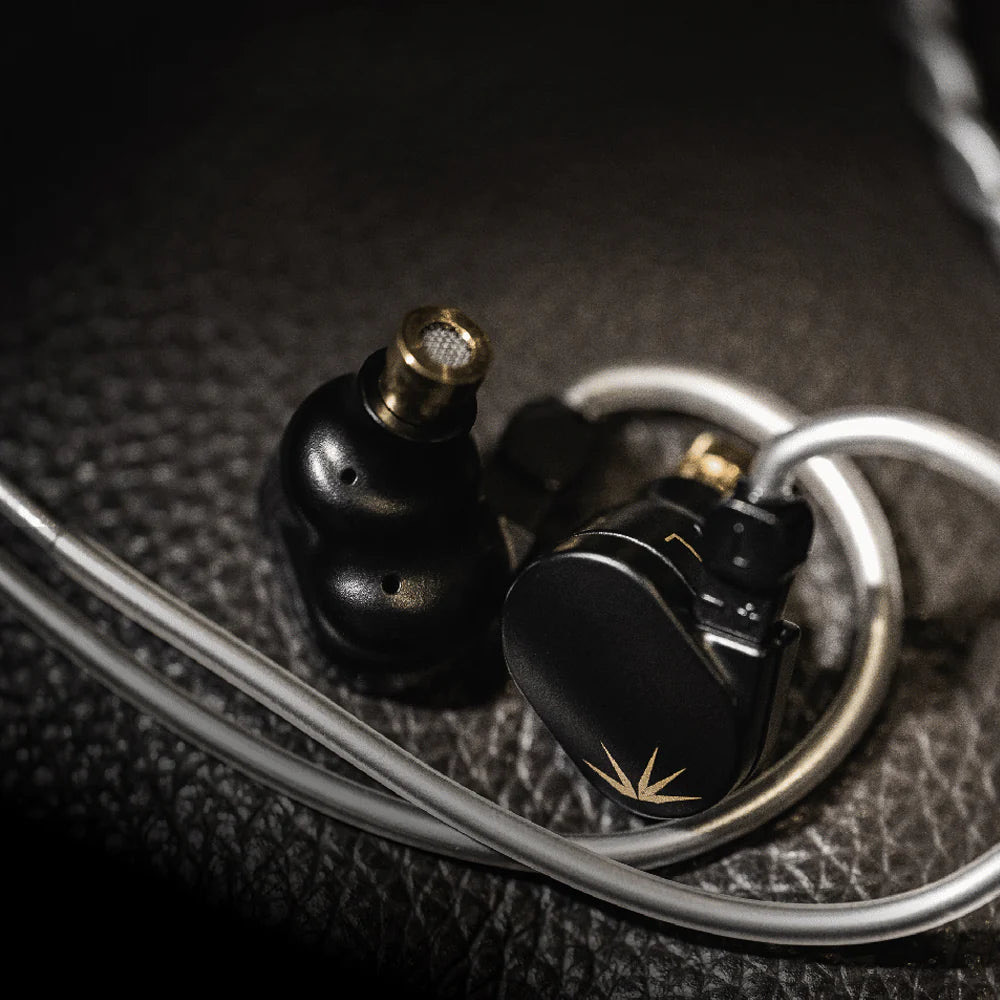
5) Moondrop CHU II (Best Budget IEM)
CHU II ranked fifth as the best entry-level value choice for users curious about wired IEMs. It offers surprisingly strong performance at low cost, but accessory quality and consistency naturally trail higher tiers.
3.5mm Jack vs USB-C Wired Earbuds
3.5 mm wired earbuds are still the most universal choice for laptops, handhelds, audio interfaces, and many controllers. They are easier to integrate with existing audio gear.
USB-C wired earbuds are convenient for newer phones and tablets that removed headphone jacks. They can simplify mobile setup but may vary more in DAC behavior and device compatibility.
Practical rule:
- Choose 3.5 mm if you use mixed devices and want maximum compatibility
- Choose USB-C if your daily use is phone-first and jack-free
- Choose hybrid bundles (like 3.5 mm + adapter) if you switch platforms often
Wired Earbuds by Scenario: Gaming, Music, and Gym
For gaming, wired still has a clear consistency advantage when you want predictable latency and no recharge interruptions. Even if modern wireless is good, hardwired connection removes one more variable during competitive sessions.
For music production and editing, wired earbuds can be useful for repeatable monitoring checks, especially when you need simple plug-and-play behavior across interfaces, laptops, and handheld recorders.
For gym use, wired options can still work well when fit is secure and cable routing is managed, but movement-heavy workouts may feel less convenient than true wireless. If you train with high mobility, choose lighter cables and stable over-ear routing.
The key is being honest about movement level and device mix. Wired earbuds excel when reliability and latency matter more than cable-free convenience.
If your source device has a weaker headphone output, look for lower-impedance models or use a compact DAC adapter to maintain consistent volume headroom and tonal control.
Tip selection also makes a meaningful difference. Foam tips may improve isolation and bass weight, while silicone tips often feel cooler and easier for longer sessions.
Small fit changes can outperform expensive hardware upgrades when comfort and seal are the real issue.
Buying Guide: How to Choose the Right Wired Earbuds
1) Prioritize Fit and Cable Behavior First
For wired earbuds, comfort and cable routing are critical. If the fit is unstable, sound quality drops immediately. Over-ear cable loops often improve stability for movement-heavy use.
Cable microphonics also matter. If you walk frequently while listening, choose models with better cable damping or route the cable under clothing.
2) Match Tuning to Your Primary Content
If you listen to vocals, podcasts, and acoustic music, prioritize clarity and midrange balance. If you game, prioritize imaging and low-latency reliability. If you commute, passive isolation may matter more than absolute treble detail.
No single tuning profile is best for everyone. Start with your highest-usage content type.
3) Think About Long-Term Ownership
Detachable cables are a major advantage in wired products because cable wear is often the first failure point. Replaceable tips and easy-to-source accessories also improve ownership value.
If you want to compare against wireless convenience and ANC features, review our best earbuds roundup and best headphones guide before deciding.
Frequently Asked Questions
Are wired earbuds better than wireless for gaming?
For many gamers, yes, because wired connections reduce latency uncertainty and eliminate battery interruptions.
Do USB-C wired earbuds sound better than 3.5 mm?
Not automatically. Sound depends on driver tuning and DAC implementation quality, not connector type alone.
How do I reduce cable noise while walking?
Use over-ear routing or clip cable sections to clothing. Fit and cable damping make a meaningful difference.
Are detachable cables worth it?
Usually yes for long-term ownership, because cable wear is a common failure point in wired earbuds.
What tips are best for wired earbuds?
It depends on comfort and seal preference. Foam often improves isolation, while silicone can feel lighter and cooler.
Who Each Pick Is Best For
1) Sennheiser IE 200 (Best Overall)
Choose Sennheiser IE 200 if your priority is listeners wanting premium wired sound and low latency. In this ranking, it sits at $129-$149 and stands out for Detailed, balanced tuning with strong clarity. The main tradeoff is Higher price than budget IEM options. This is the better fit when your day-to-day routine matches this product's strengths instead of chasing headline specs.
2) Shure SE215 PRO (Best for Stage Isolation)
Choose Shure SE215 PRO if your priority is live use, commuting, and passive isolation seekers. In this ranking, it sits at $99-$119 and stands out for Strong passive isolation design. The main tradeoff is Sound signature is warmer and less airy than some competitors. This is the better fit when your day-to-day routine matches this product's strengths instead of chasing headline specs.
3) 1MORE Triple Driver In-Ear (E1001) (Best Hybrid Driver Value)
Choose 1MORE Triple Driver In-Ear (E1001) if your priority is budget-minded listeners wanting richer hardware tuning. In this ranking, it sits at $69-$99 and stands out for Hybrid 3-driver architecture. The main tradeoff is Cable is fixed, not detachable. This is the better fit when your day-to-day routine matches this product's strengths instead of chasing headline specs.
4) Logitech G333 Gaming Earphones (Best for Gaming)
Choose Logitech G333 Gaming Earphones if your priority is gamers wanting plug-and-play low latency. In this ranking, it sits at $39-$49 and stands out for Dual dynamic driver architecture. The main tradeoff is Sound tuning is more gaming-leaning than audiophile-neutral. This is the better fit when your day-to-day routine matches this product's strengths instead of chasing headline specs.
5) Moondrop CHU II (Best Budget IEM)
Choose Moondrop CHU II if your priority is first-time wired iem buyers on a tight budget. In this ranking, it sits at $19-$29 and stands out for Excellent entry pricing. The main tradeoff is Basic cable and accessories. This is the better fit when your day-to-day routine matches this product's strengths instead of chasing headline specs.
Common Buying Mistakes for Wired Earbuds
- Buying by brand before checking fit. Seal and comfort drive both sound and fatigue over long sessions.
- Ignoring source-device compatibility. Connector type and output power can change performance.
- Skipping cable durability and replaceability checks. Long-term ownership depends on this more than many specs.
- Using stock tips without experimenting. Tip choice can transform isolation and tonal balance.
- Choosing extreme tuning for mixed-use listening. Match sound profile to your dominant content.
Best Pick by Listening Scenario
Premium all-around wired listening
Sennheiser IE 200 remains the strongest overall option for balanced detail and low-latency use.
Isolation-focused commuting or stage use
Shure SE215 PRO is the better fit when passive isolation is the top priority.
Hybrid-driver value performance
1MORE Triple Driver In-Ear (E1001) is the practical mid-budget option for richer hardware value.
Wired gaming reliability
Logitech G333 Gaming Earphones remains the easiest plug-and-play gaming pick.
Entry-level IEM budget start
Moondrop CHU II is the best low-cost choice for first-time wired IEM users.
Last updated: March 1, 2026. Prices and availability subject to change.