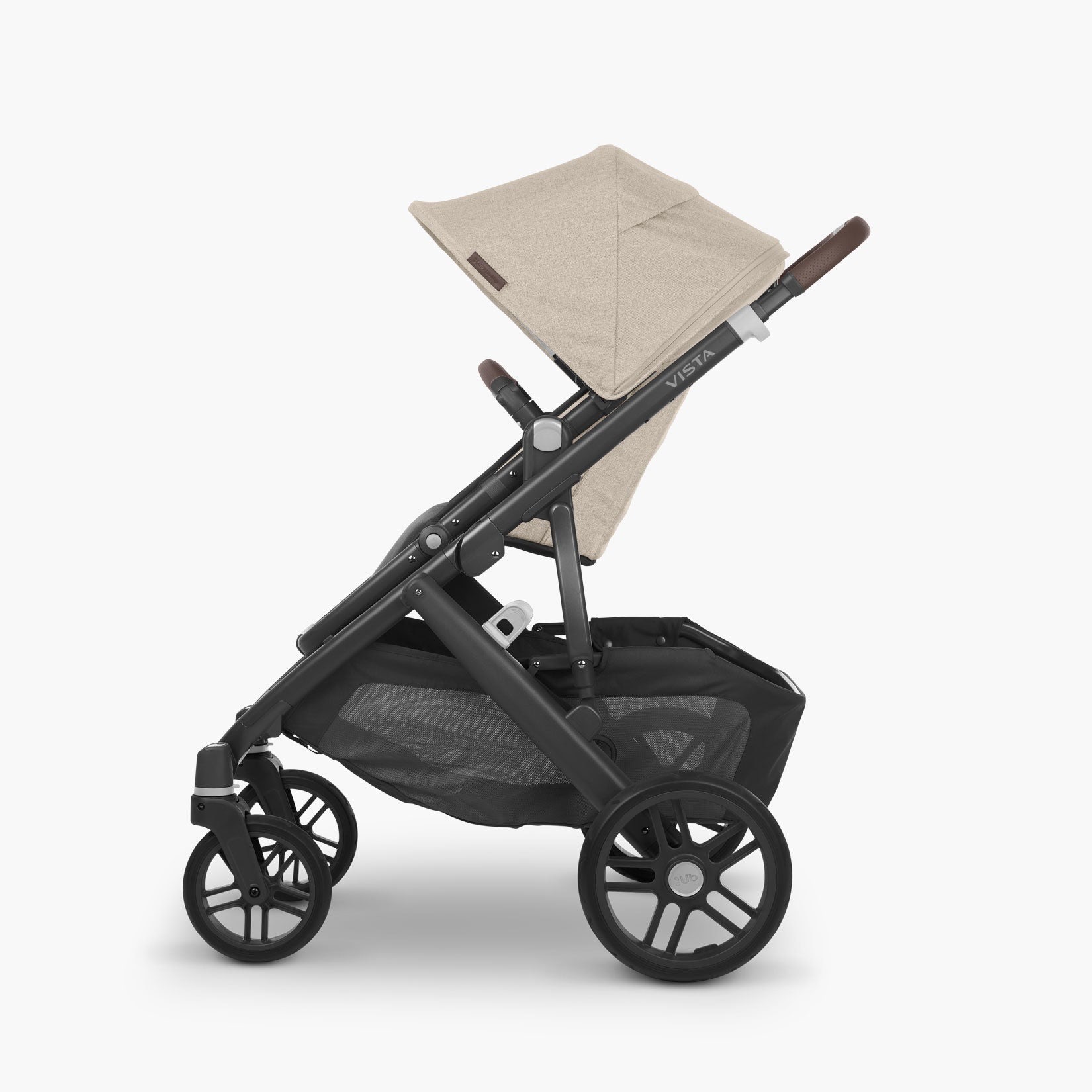
If you are comparing the best baby strollers 2025 lists, the smartest move is not chasing the most expensive model. It is matching stroller type to your real routine: apartment stairs, car trunk size, sidewalk quality, and whether you need newborn readiness from day one.
A stroller that folds in one motion and fits your car is often a better purchase than a premium model with features you rarely use. Safety and daily usability usually matter more than brand prestige.
For more baby comparisons, see Baby & Parenting, browse all buying resources in our blog, and review editorial transparency on Brand Facts.
Best Baby Strollers 2025 Quick Answer
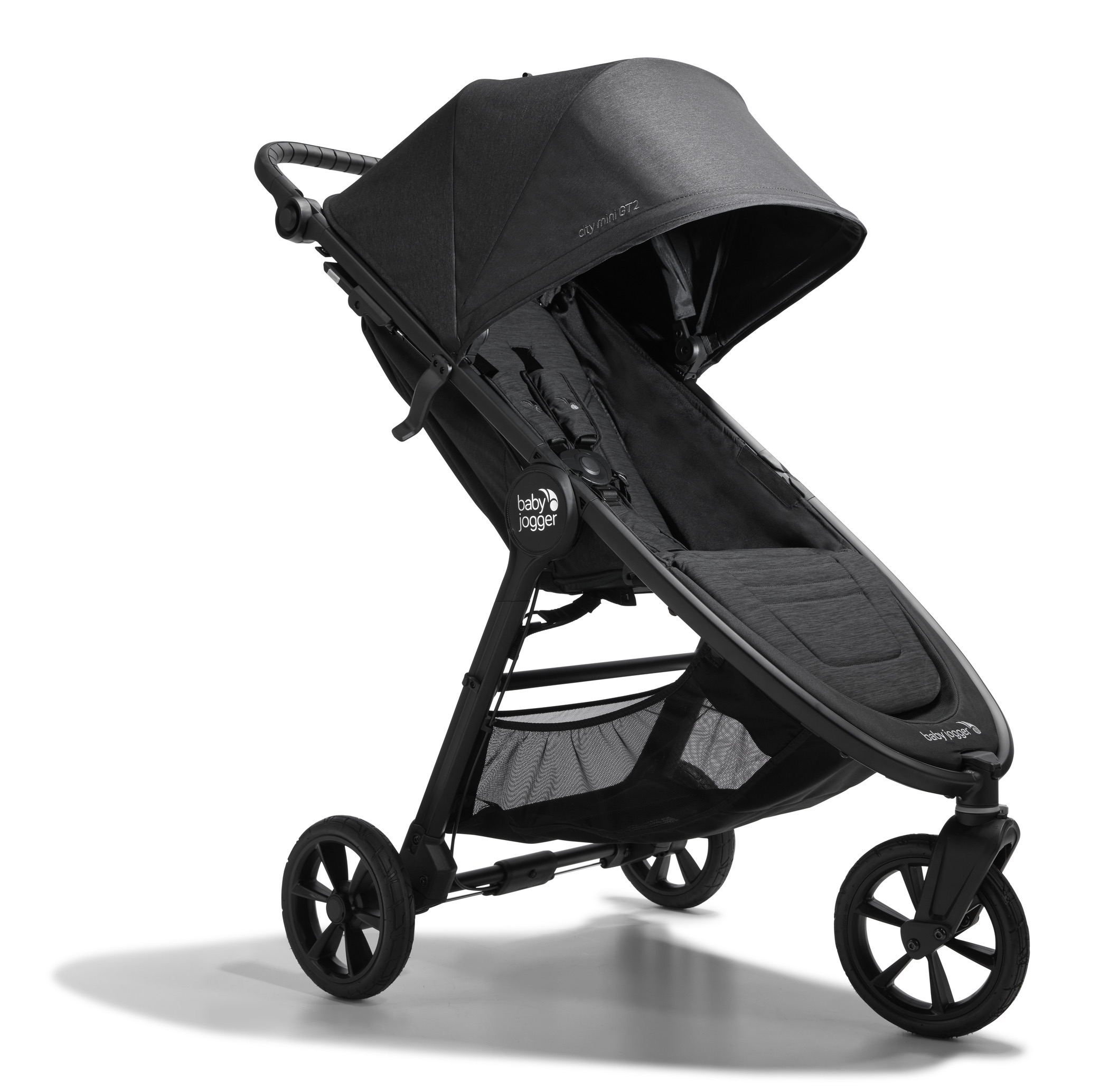
If you want one stroller to carry you from newborn stage into toddler years with minimal compromises, UPPAbaby VISTA V2 is still the best overall platform. If you want a more affordable balance of fold speed and ride quality, Baby Jogger City Mini GT2 is the value winner.
If nursery setup and home safety monitoring are also in progress, pair this guide with our best baby monitor picks. For everyday carry organization, see our best diaper bags guide.
5 Key Factors That Matter Most
- Newborn readiness: Some strollers are newborn-capable out of the box, while others need a bassinet or infant car seat adapter.
- Weight and fold style: Heavy premium frames ride well but can be frustrating for daily trunk loading.
- Car seat compatibility: Integrated travel systems can reduce transfer stress in the first year.
- Storage and handling: Basket capacity and wheel quality matter more than most parents expect in daily use.
- Safety fit: Harness design, brake function, and age/weight limits must match your child stage.
How We Built This Ranking
We did not run formal crash testing or laboratory durability tests. This ranking combines independent roundup analysis, manufacturer spec review, parent feedback trends, and ownership criteria such as fold friction, trunk compatibility, and long-term mode flexibility.
We prioritized products with broad US availability, clear age/weight guidance, and practical daily ergonomics. We also looked at how each stroller handles the biggest pain points parents report: curb transitions, one-hand folding, and basket access while seats are reclined.
Safety language in this guide is informational. Always follow manufacturer instructions for harness fit, seat recline, and infant compatibility.
Full-Size vs Lightweight Strollers: Which Is Better?
A full-size stroller is usually better as your primary stroller if you need smoother ride quality, larger storage, and newborn-to-toddler adaptability. These models are heavier but more versatile.
A lightweight stroller is better for travel, quick errands, and families who prioritize portability over suspension and storage. Most lightweight options are not ideal for very young infants unless specifically rated for that stage.
For many families, the practical setup is one primary full-size stroller plus one lightweight backup for flights, grandparent visits, or fast store trips.
Buying Guide: How to Choose the Right Baby Stroller
1) Confirm Newborn and Infant Compatibility First
Do not assume every stroller is ready for newborn use out of the box. Some require full recline, some need a bassinet attachment, and others are built around infant car seat click-in systems.
Check three things before purchase: minimum age guidance, maximum infant car seat compatibility list, and whether adapters are included or sold separately. This one step prevents most first-time buyer regret.
2) Test the Fold Process Against Your Actual Daily Life
If you carry groceries, open doors with one hand, or load into a compact trunk, fold design matters as much as wheel quality. A stroller that is hard to fold under stress becomes frustrating quickly.
Look for one-hand fold mechanisms, self-standing fold behavior, and realistic folded dimensions. If possible, compare those numbers to your trunk opening, not just trunk volume.
3) Prioritize Safety and Comfort Within Real Weight Limits
Always use the 5-point harness correctly and check brake engagement every time you stop on sloped surfaces. Respect age and weight limits for seat mode, bassinet mode, and car seat mode.
For rough sidewalks or mixed terrain, larger wheels and better suspension improve comfort and control. For smooth mall and neighborhood routes, lightweight models are usually sufficient and easier to lift.
If you are building a complete baby setup, our best baby monitor ranking can help you align stroller and nursery priorities in one plan.
Real-Route Stroller Test Before You Buy
A quick real-route test prevents many returns. Simulate a normal outing path before purchasing: doorway clearance, curb transitions, elevator fit, and trunk loading.
Check whether you can fold and lift the stroller while holding a diaper bag or groceries. If this feels awkward in a two-minute test, it will feel worse in daily life.
For families with mixed terrain, test push effort on both smooth floors and rough sidewalk sections. Wheel behavior and steering stability can vary more than showroom demos suggest.
A stroller that looks good on paper but fails your real route usually becomes expensive storage.
Frequently Asked Questions
Do I need a full-size stroller and a lightweight stroller?
Many families eventually use both: a sturdier primary stroller for daily routines and a lighter backup for quick trips or travel. Start with the primary use case, then add a second stroller only if daily friction is high.
What is the most common stroller buying regret?
Buying without testing fold workflow against real life. Trunk loading, one-hand folding, and everyday carrying effort usually matter more than showroom features.
Can newborns ride in any stroller seat?
No. Newborn compatibility depends on full recline, bassinet mode, or approved infant car seat attachment. Always check the specific model guidance.
How important is wheel size and suspension?
Very important if sidewalks are uneven, curbs are frequent, or terrain is mixed. Smoother routes can get by with lighter wheel systems.
When does stroller weight become a problem?
If you lift it in and out of a car multiple times daily, even small weight differences add up quickly. Balance ride quality with realistic lifting demands.
Who Each Pick Is Best For
1) UPPAbaby VISTA V2 (Best Overall)
Best for families wanting long-term modular flexibility from newborn stage through toddler years.
2) Baby Jogger City Mini GT2 (Best Value)
Best for parents who want better terrain handling and practical fold performance at mid-range cost.
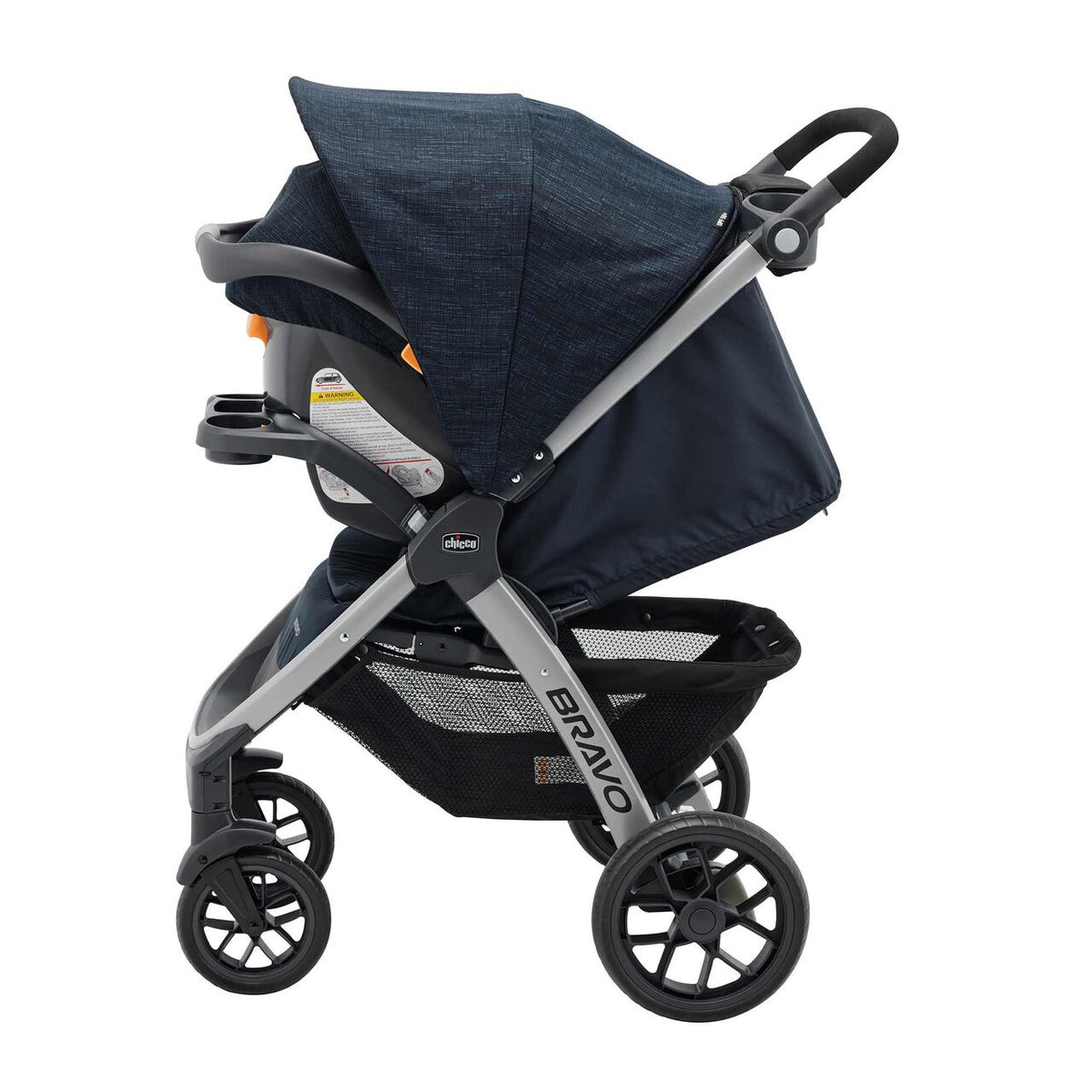
3) Chicco Bravo 3-in-1 Trio Travel System (Best Travel System)
Best for first-time parents who want integrated stroller + infant seat convenience out of the box.
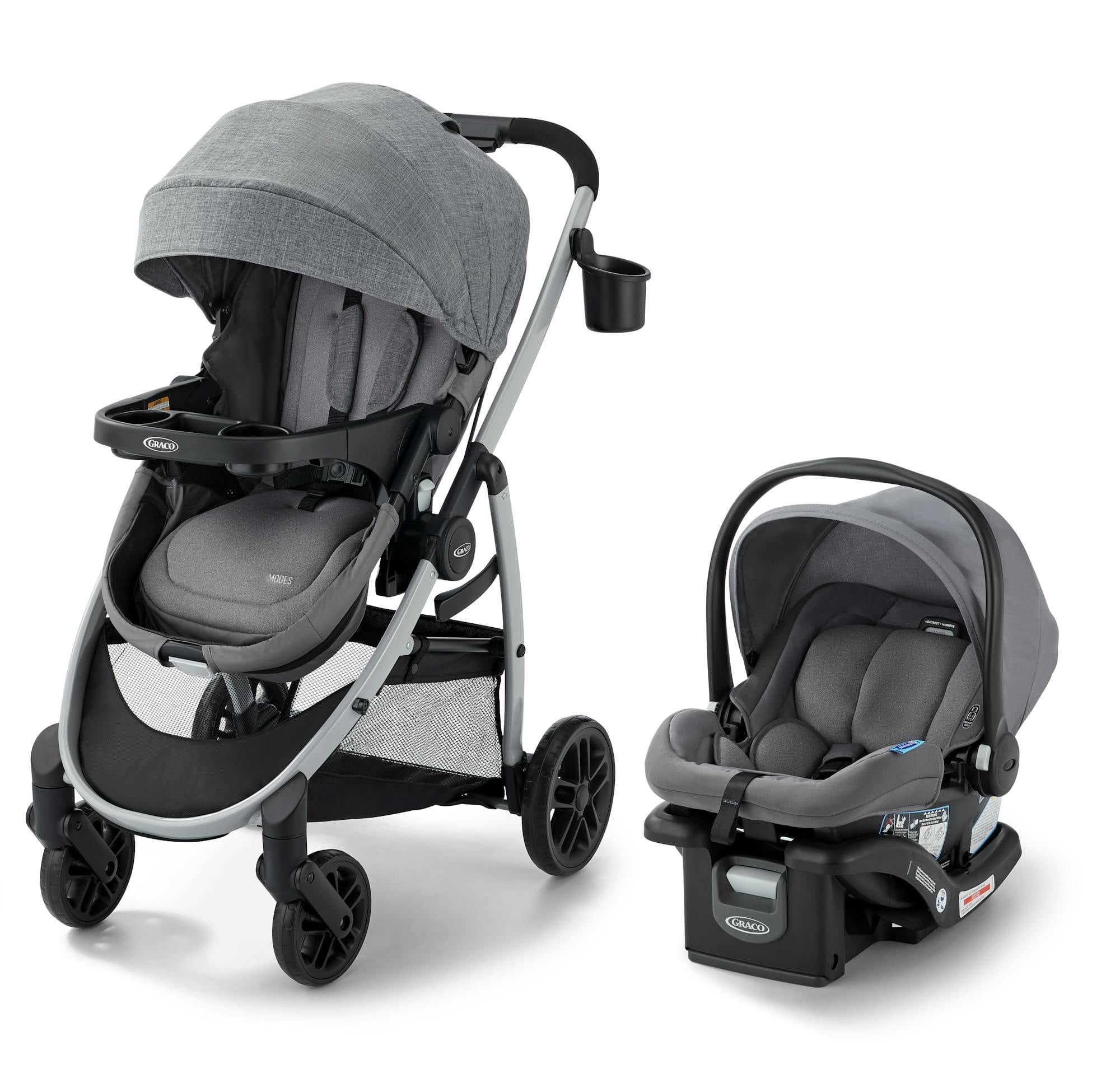
4) Graco Modes Pramette Travel System (Best for Newborn-to-Toddler Transitions)
Best for families seeking multi-mode flexibility at a lower price than premium modular systems.
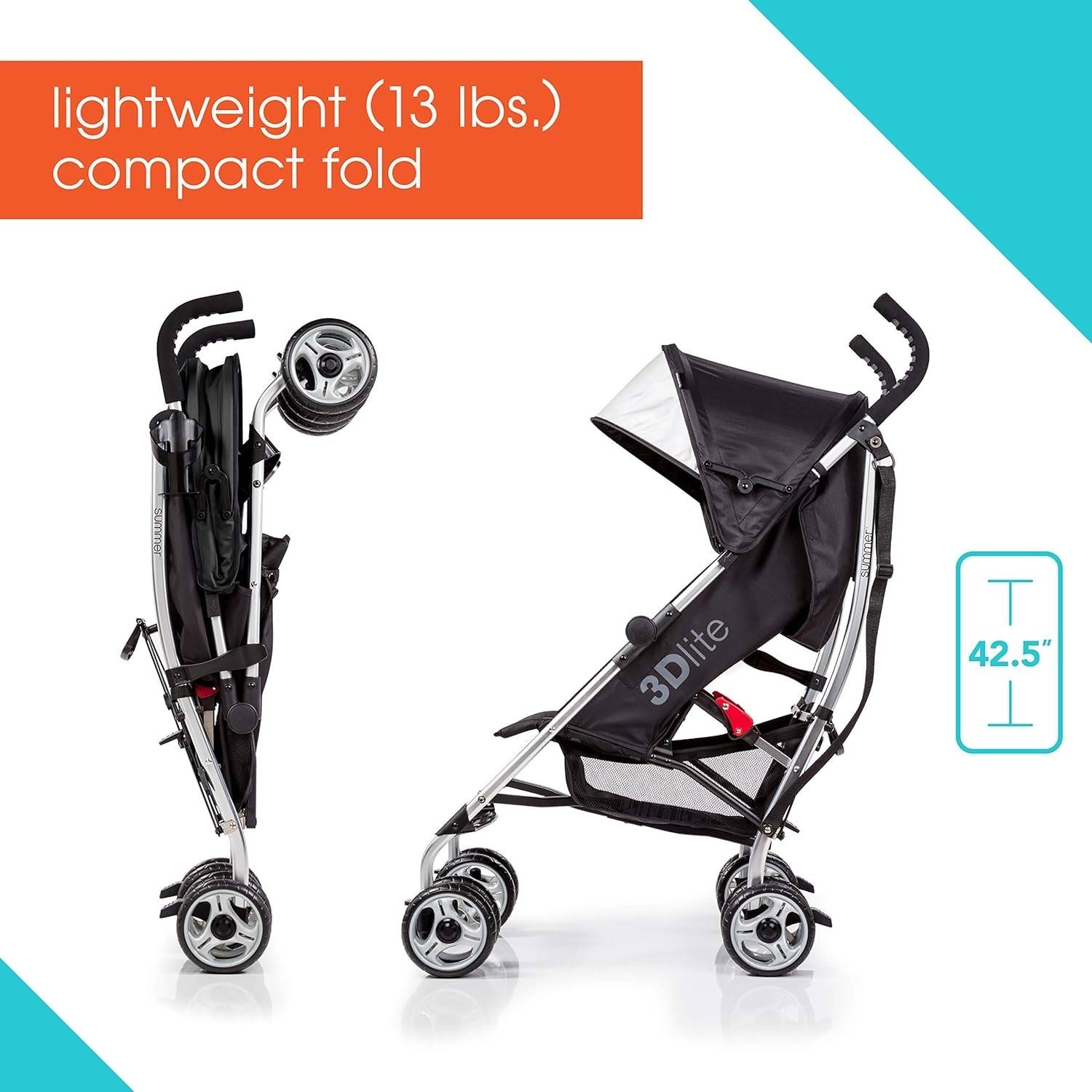
5) Summer 3Dlite Convenience Stroller (Best Lightweight)
Best as a lightweight secondary or travel stroller when portability is the top priority.
Common Buying Mistakes for Baby Strollers
- Ignoring fold and trunk-fit testing. Daily usability fails when folded dimensions are impractical.
- Assuming newborn readiness. Not every stroller seat is safe for newborn positioning.
- Overbuying for rare scenarios. Prioritize your most frequent routes and routines.
- Underestimating carry weight. Repeated lifting changes what feels acceptable long term.
- Skipping accessory cost checks. Adapters, cup holders, and weather covers can change total value.
Real-World Stroller Fit Check
- Test fold/unfold with one hand if possible.
- Confirm trunk loading and unloading comfort.
- Confirm newborn mode requirements before purchase.
- Simulate one full outing workflow before committing.
Last updated: March 1, 2026. Prices and availability subject to change.