If you are searching for the best clarifying shampoo, the key is choosing enough cleansing strength to remove buildup without making your hair feel stripped. Clarifying is about periodic reset, not daily washing.
Most users get the best outcomes by clarifying once weekly or up to twice weekly when product load is high. Going beyond that can dry mids and ends, especially on color-treated or heat-styled hair.
For more hair-care comparisons, see Hair Care, browse all buying resources in our blog, and review editorial transparency on Brand Facts.
Best Clarifying Shampoo Quick Answer
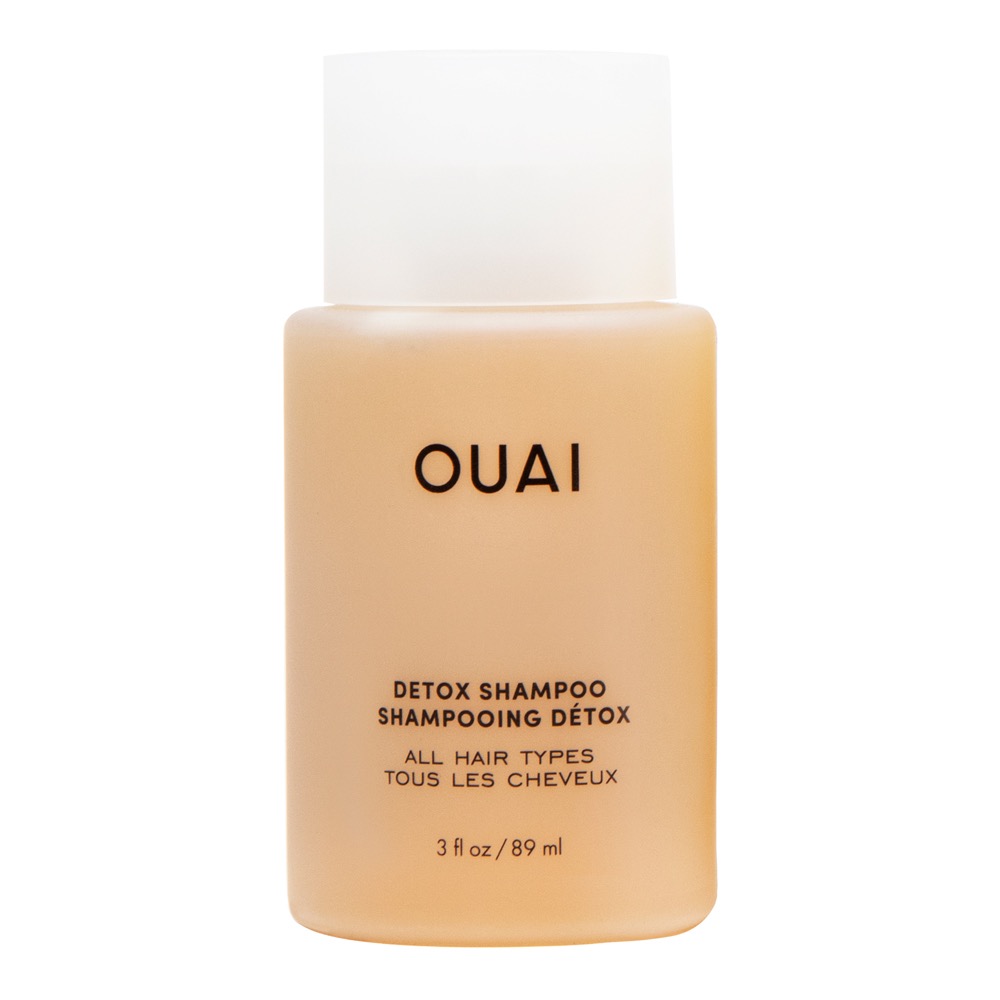
For most shoppers, Ouai Detox Shampoo is the strongest all-around pick because it clears buildup effectively while keeping better post-wash manageability than many harsh alternatives. If budget is your main goal, Neutrogena Anti-Residue is the better low-cost reset option.
If scalp flakes are a major issue, compare active options in our best dandruff shampoo guide. If you use dry shampoo regularly, pair this page with our best dry shampoo picks.
5 Key Factors That Matter Most
- Cleansing intensity. Strong clarifiers work best for heavy buildup, while gentler formulas suit frequent use.
- Hair condition after rinse. Post-wash softness and tangling level determine whether a product is sustainable.
- Frequency tolerance. Most clarifying shampoos are designed for 1-2 uses per week, not daily use.
- Water quality compatibility. Hard-water users often need stronger or chelating support.
- Cost per reset wash. Price-per-ounce and required amount per wash can change true value.
How We Built This Ranking
We did not run laboratory surfactant or mineral-removal tests. This ranking combines independent roundup analysis, manufacturer specification review, user feedback patterns on buildup removal and dryness, and practical ownership criteria such as cost-per-use and rotation compatibility.
Products were scored by real routine fit: heavy styler users, dry-shampoo-heavy schedules, color-treated hair maintenance, and budget weekly reset strategies. We also weighted whether each product remains manageable when used at realistic frequencies.
Individual results vary by water hardness, styling load, and hair porosity.
Sulfate-Based vs Sulfate-Free Clarifying: Which Is Better?
Sulfate-based clarifying shampoos are usually better for heavier buildup, oily roots, and product-heavy routines. Sulfate-free clarifying formulas are often better for sensitive hair, color maintenance, and lighter reset needs.
Choose sulfate-based clarifying when:
- You use heavy styling creams, oils, or dry shampoo often
- Scalp feels coated even after regular washing
- You clarify only once weekly
Choose gentler sulfate-free clarifying when:
- Hair is color-treated and dryness-prone
- You want more frequent reset use (up to 1-2 times weekly)
- Buildup is mild rather than severe
If your hair feels squeaky and rough after clarifying, reduce frequency before switching products.
Buying Guide: How to Choose the Right Clarifying Shampoo
1) Set Your Clarifying Frequency First
Start with once per week. Increase to twice weekly only if your routine includes heavy stylers, frequent dry shampoo, or hard-water buildup. Daily clarifying usually causes avoidable dryness and can make styling harder.
A consistent schedule outperforms random deep cleans.
2) Adjust Strength by Buildup Level
If roots feel greasy and coated quickly, use a stronger sulfate-based clarifier. If your hair is fragile, color-treated, or already dry, start with a gentler formula and monitor how lengths feel after two weeks.
You can increase strength later, but recovering from over-stripping takes longer.
3) Pair Clarifying With the Right Maintenance Products
Clarifying works best as one part of the system: reset wash, then balanced hydration and normal shampoo routine. If flakes are present, integrate medicated options from our best dandruff shampoo guide. If oil-control days depend on aerosol products, optimize with our best dry shampoo picks.
This rotation keeps scalp cleaner without overcorrecting into dryness.
Buildup Source Mapping: Hard Water, Styling, and Sweat
Clarifying works best when you target the real buildup source instead of using the same intensity year-round.
If your water is hard, mineral residue can make hair feel waxy even when scalp is not oily. In that case, a predictable weekly clarifying day often works better than reactive washing after hair already feels coated.
If your main issue is heavy styling products, focus clarifying on the days after highest product load. For example, if you use dry shampoo and texture sprays during workdays, many users benefit from a deeper reset at the end of the week plus a gentler cleanse midweek.
If you train frequently and sweat heavily, scalp salt/oil buildup can happen faster than you expect. A mild clarifier used consistently can prevent the cycle where roots feel congested and lengths get overdried from repeated strong washes.
The practical goal is rhythm: match clarifying strength and frequency to your actual routine, then adjust only one variable at a time.
Post-Clarifying Recovery Steps
Clarifying removes buildup, but recovery determines whether hair feels balanced or stripped. After each clarifying session, use conditioner on mids and ends and avoid stacking other aggressive treatments the same day.
If hair still feels rough, reduce clarifying frequency before switching brands. In many cases, schedule adjustment fixes the issue faster than product replacement.
For textured or color-treated hair, pairing clarifying day with a richer conditioning routine can maintain softness while still keeping scalp cleaner.
Frequently Asked Questions
How often should I use clarifying shampoo?
Most people do well with once-weekly use. Increase only if you use heavy stylers, hard-water areas, or frequent dry shampoo.
Will clarifying shampoo fade hair color?
It can if used too often or with stronger formulas. Color-treated hair usually benefits from lower frequency and deeper conditioning after clarifying sessions.
Is sulfate-free clarifying strong enough?
For light-to-moderate buildup, often yes. For heavy residue, sulfate-based formulas may perform better.
Should I condition after clarifying?
Usually yes, especially on mids and ends. Clarifying removes residue but can leave lengths drier.
How do I know if I am over-clarifying?
Common signs include rough texture, scalp tightness, and faster tangling after washes. Reduce frequency first before switching products.
Who Each Pick Is Best For
1) Ouai Detox Shampoo (Best Overall)
Best for users who want strong weekly reset with better post-wash feel than many harsh clarifiers.
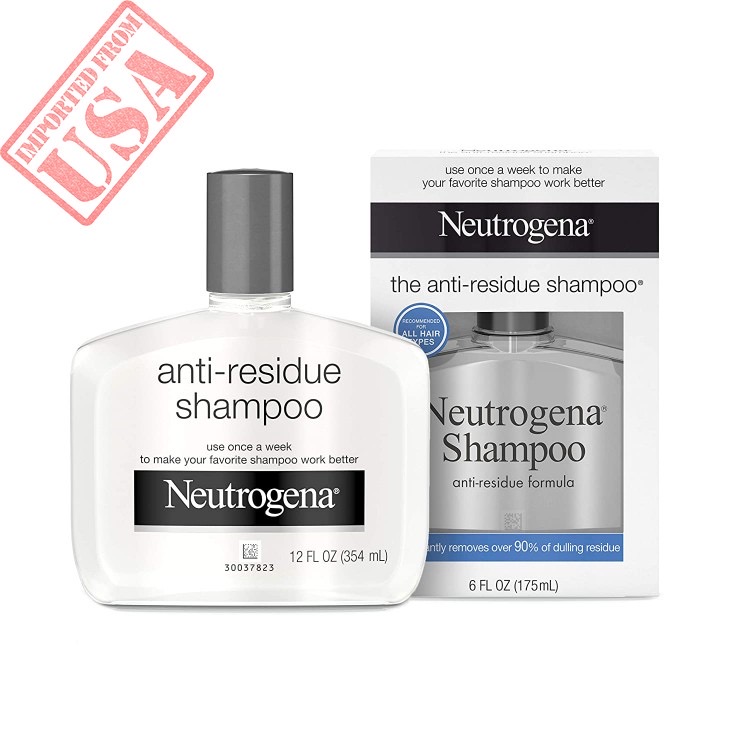
2) Neutrogena Anti-Residue Clarifying Shampoo (Best Value)
Best for budget users needing straightforward occasional deep-clean performance.
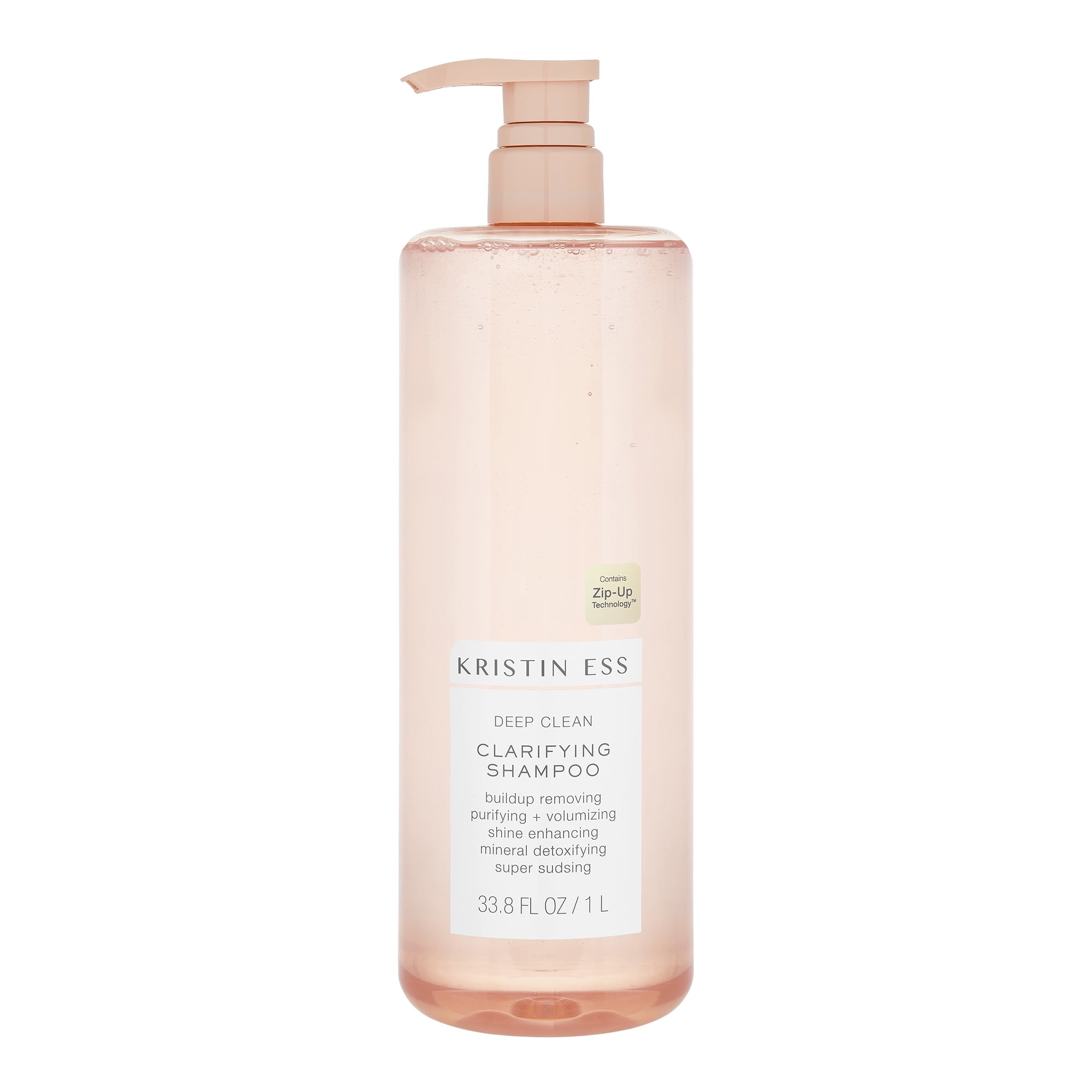
3) Kristin Ess Deep Clean Clarifying Shampoo (Best Drugstore Clarifying Pick)
Best for shoppers wanting accessible stronger clarifying without premium pricing.
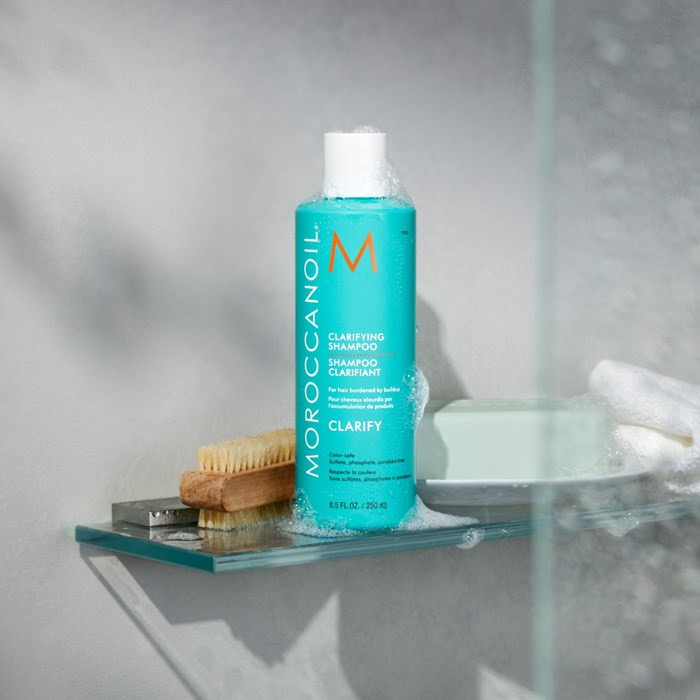
4) Moroccanoil Clarifying Shampoo (Best for Color-Treated Hair)
Best for color-treated users who want effective cleanse with a less stripped finish.
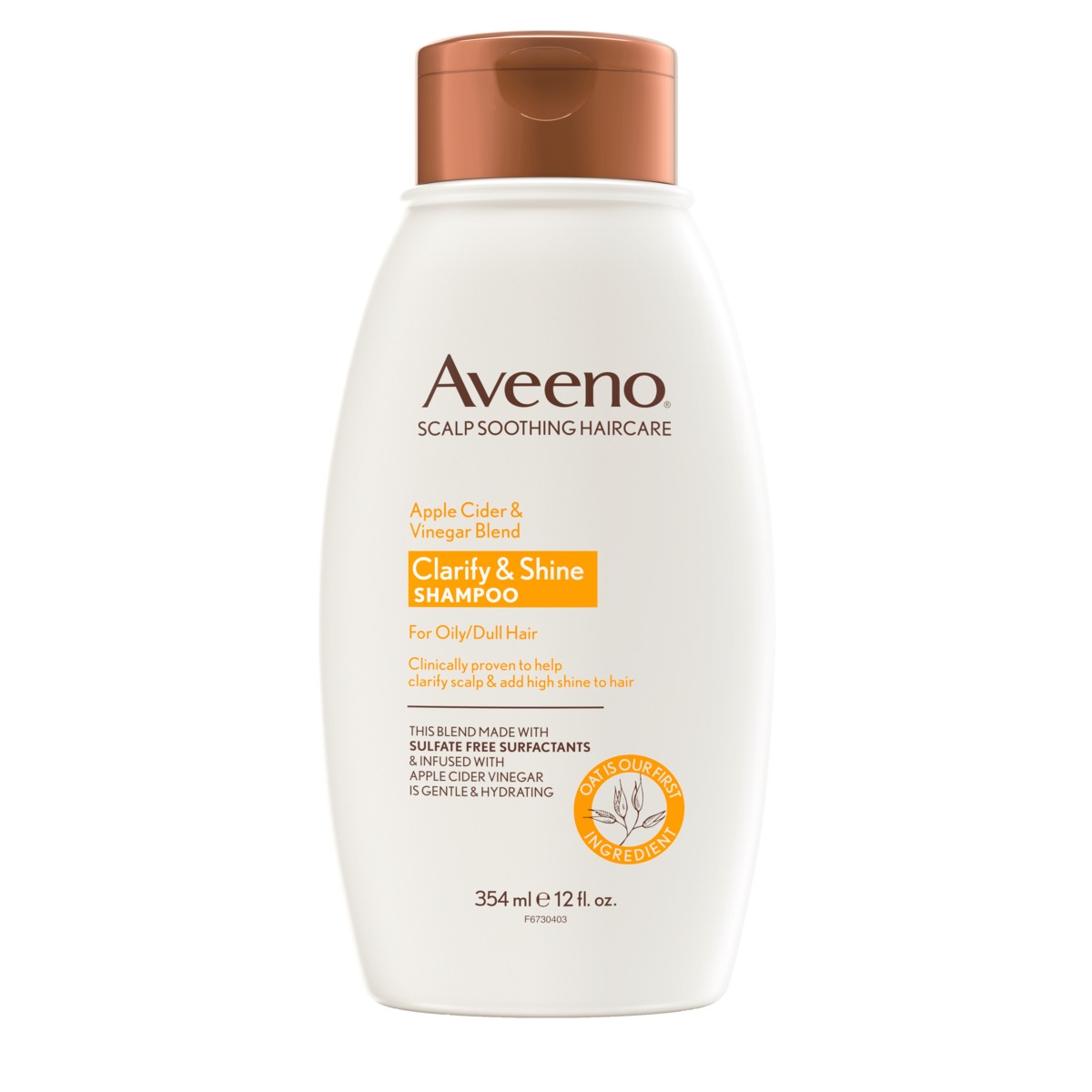
5) Aveeno Apple Cider Vinegar Blend Shampoo (Best Gentle Clarifying Option)
Best for users who need a milder clarifying routine in regular rotation.
Common Buying Mistakes for Clarifying Shampoo
- Using clarifying formulas like daily shampoo. Most routines need lower frequency.
- Ignoring hair lengths after scalp reset. Ends usually require added conditioning.
- Choosing by marketing terms alone. Real strength and tolerance vary by formula.
- Switching too many products at once. Keep routine variables stable when troubleshooting.
- Over-correcting buildup with aggressive frequency. Consistent moderate use is usually better.
Clarifying Routine by Buildup Level
- Light buildup: every 10-14 days with gentle formula.
- Moderate buildup: weekly clarifying plus conditioner support.
- Heavy buildup: start weekly stronger reset, then taper as scalp normalizes.
Last updated: March 1, 2026. Prices and availability subject to change.