If you are shopping for the best dandruff shampoo, ingredient type matters more than brand popularity. Different active ingredients are designed for different scalp patterns, so matching active to symptoms is often the biggest performance driver.
For many users, dandruff routines work best when medicated washes are rotated with a gentler regular shampoo instead of used daily. Persistent flaking, redness, or scalp discomfort should be evaluated by a dermatologist.
For more hair-care comparisons, see Hair Care, browse all buying resources in our blog, and review editorial transparency on Brand Facts.
Best Dandruff Shampoo Quick Answer
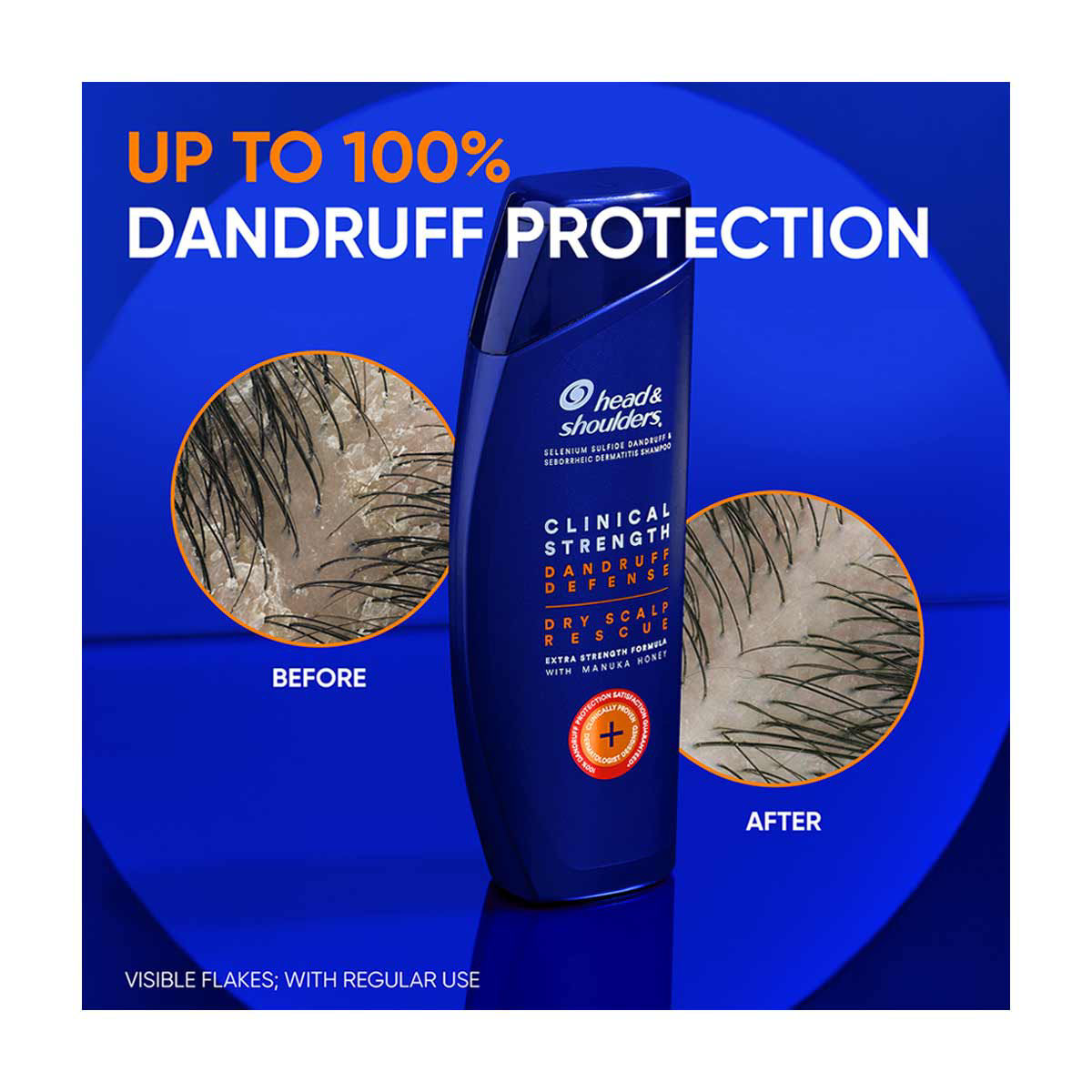
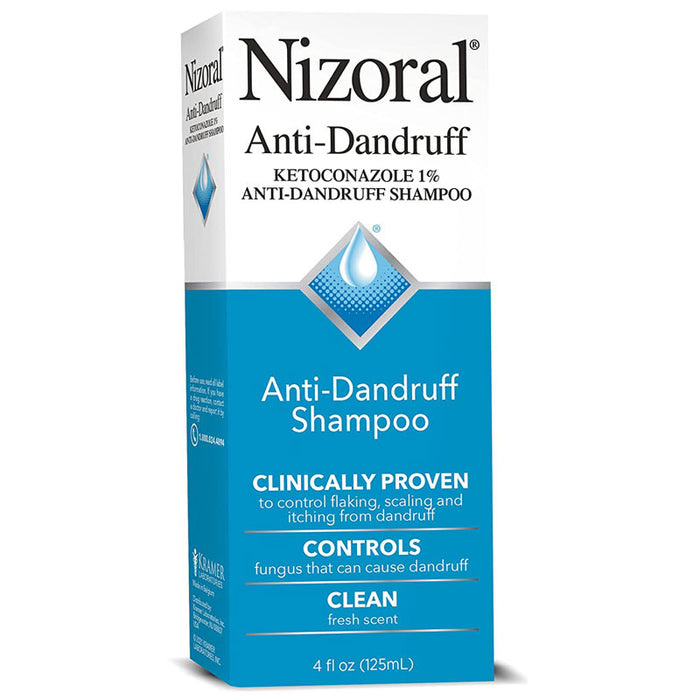
For stubborn, recurring dandruff, Nizoral A-D (ketoconazole 1%) is the strongest default starting point for many users. If value and availability are your priority, Head & Shoulders Clinical Strength is often the easier maintenance option.
If your scalp also feels oily with buildup, compare this list with our best clarifying shampoos guide. If thinning concerns overlap, review routine strategy in our best shampoos for thinning hair page.
5 Key Factors That Matter Most
- Active ingredient match. Ketoconazole, selenium sulfide, zinc pyrithione, and coal tar can perform differently by scalp condition.
- Use frequency tolerance. Some medicated formulas are best 1-3 times weekly rather than daily.
- Contact time compliance. Most actives need 2-5 minutes of scalp contact to work as intended.
- Hair-length dryness risk. Strong medicated formulas can dry mids and ends if not balanced with conditioner strategy.
- Maintenance plan. Long-term control usually needs rotation, not one shampoo used indefinitely at high frequency.
How We Built This Ranking
We did not run dermatology or lab efficacy testing. This ranking combines independent roundup analysis, active-ingredient label review, user feedback patterns, and practical usage criteria such as bottle size, contact-time requirements, and tolerance in repeat routines.
Products were evaluated by scenario fit: stubborn flake episodes, itch-heavy periods, maintenance use, ingredient sensitivity, and budget constraints. We intentionally included multiple active classes because shoppers often need to pivot by response.
This content is informational and should not replace personalized clinical advice.
Zinc Pyrithione vs Ketoconazole vs Selenium Sulfide vs Coal Tar
Ketoconazole (1%) is often chosen for persistent dandruff patterns where stronger antifungal-focused support is needed.
Selenium sulfide (1%) is a common middle-ground option for visible flakes and itch in routine rotation.
Zinc pyrithione (2%) is frequently used for ongoing maintenance with a milder-feel profile.
Coal tar (0.5%) can be useful when users respond better to this active class than to others.
Practical approach: start with one active for 3-4 weeks, track response, and switch class if results plateau.
Buying Guide: How to Choose the Right Dandruff Shampoo
1) Pick Active Ingredient by Symptom Pattern
If flakes are persistent and widespread, ketoconazole or selenium sulfide options are common starting points. If symptoms are milder but recurrent, zinc pyrithione products can be easier to maintain long term.
Do not judge performance from one use. Most routines need consistent use over multiple washes.
2) Use Correct Contact Time and Rotation
Medicated shampoos are often underused because they are rinsed too quickly. Follow label contact times, then rinse thoroughly and condition hair lengths as needed.
Many users get better comfort by rotating medicated shampoo with a gentler cleanser on non-treatment days.
3) Know When to Escalate to a Dermatologist
If dandruff remains severe after several weeks, or if you have scalp redness, thick scaling, pain, or hair shedding, seek dermatology guidance. Persistent symptoms can overlap with conditions that need diagnosis and tailored treatment.
If you also have buildup concerns, add the reset logic from our best clarifying shampoo guide. For volume and scalp-care overlap, review our best shampoo for thinning hair list.
Scalp Flare Tracking for Better Product Decisions
Dandruff routines improve when you track patterns instead of reacting only to bad days. A simple weekly log can reveal whether triggers are product-related, seasonal, or stress-related.
Track three basics: flake severity, itch intensity, and redness level. Also note wash frequency, contact time, and whether you used medicated or gentle rotation days.
If symptoms improve, keep the schedule stable before making changes. If symptoms plateau, adjust one variable at a time, such as increasing contact time or changing active ingredient category.
Common avoidable mistake: switching from zinc to ketoconazole to selenium in rapid sequence without consistent trial windows. This makes it difficult to know which active actually helped.
A structured log also helps clinical conversations if you need dermatologist guidance. It provides a clearer treatment history than memory alone and usually speeds up better recommendations.
Two-Phase Dandruff Plan: Control Then Maintain
A practical approach is separating treatment into two phases. Phase one focuses on flare control with consistent medicated use based on label guidance and adequate contact time.
Once symptoms improve, phase two shifts toward maintenance by rotating medicated shampoo with a gentler cleanser. This often preserves control while reducing dryness risk.
If symptoms return during maintenance, return briefly to control phase rather than changing to a new active immediately. This structured cycle improves consistency and avoids unnecessary product hopping.
When flare timing correlates with weather shifts, stress, or styling changes, adjust schedule first before replacing products.
Small frequency and contact-time changes often recover control without increasing ingredient intensity.
Documenting this pattern helps you make cleaner, faster future adjustments.
Frequently Asked Questions
Which dandruff active ingredient should I start with?
Start based on symptom severity and tolerance. Many users start with zinc pyrithione or ketoconazole depending on persistence.
How often should I use medicated dandruff shampoo?
Usually multiple times weekly, based on label directions and symptom response. Overuse can increase dryness.
Can I rotate medicated and regular shampoo?
Yes. Rotation often improves comfort while maintaining flake control.
How long should I test one dandruff routine before changing?
Give it several weeks of consistent use unless irritation occurs.
When should I see a dermatologist?
If symptoms persist, worsen, or include pain, thick plaques, or significant shedding.
Who Each Pick Is Best For
1) Nizoral A-D Anti-Dandruff Shampoo (Best Overall)
Best for persistent flaking users wanting a strong OTC ketoconazole option.
2) Head & Shoulders Clinical Strength Dandruff Defense (Best Value)
Best for budget-conscious users needing reliable recurring dandruff control.
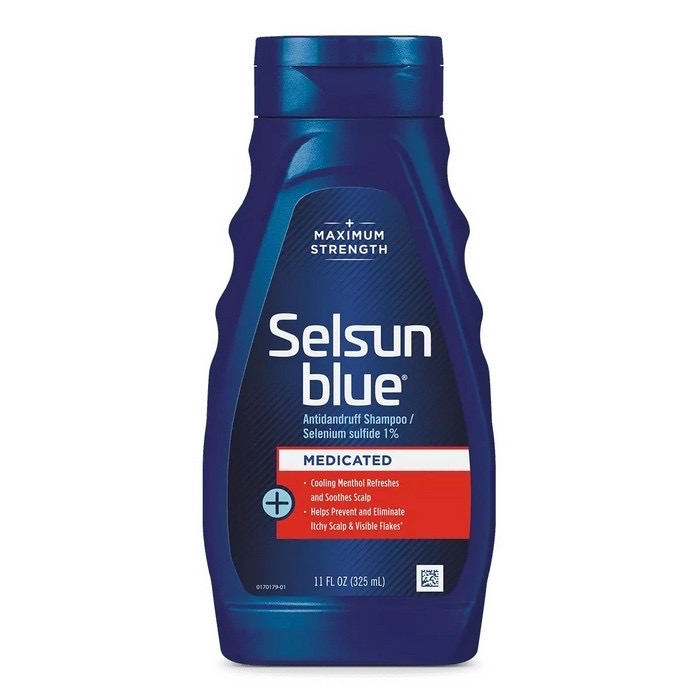
3) Selsun Blue Medicated Maximum Strength (Best for Itchy Scalp Episodes)
Best for users prioritizing itch management during flare periods.
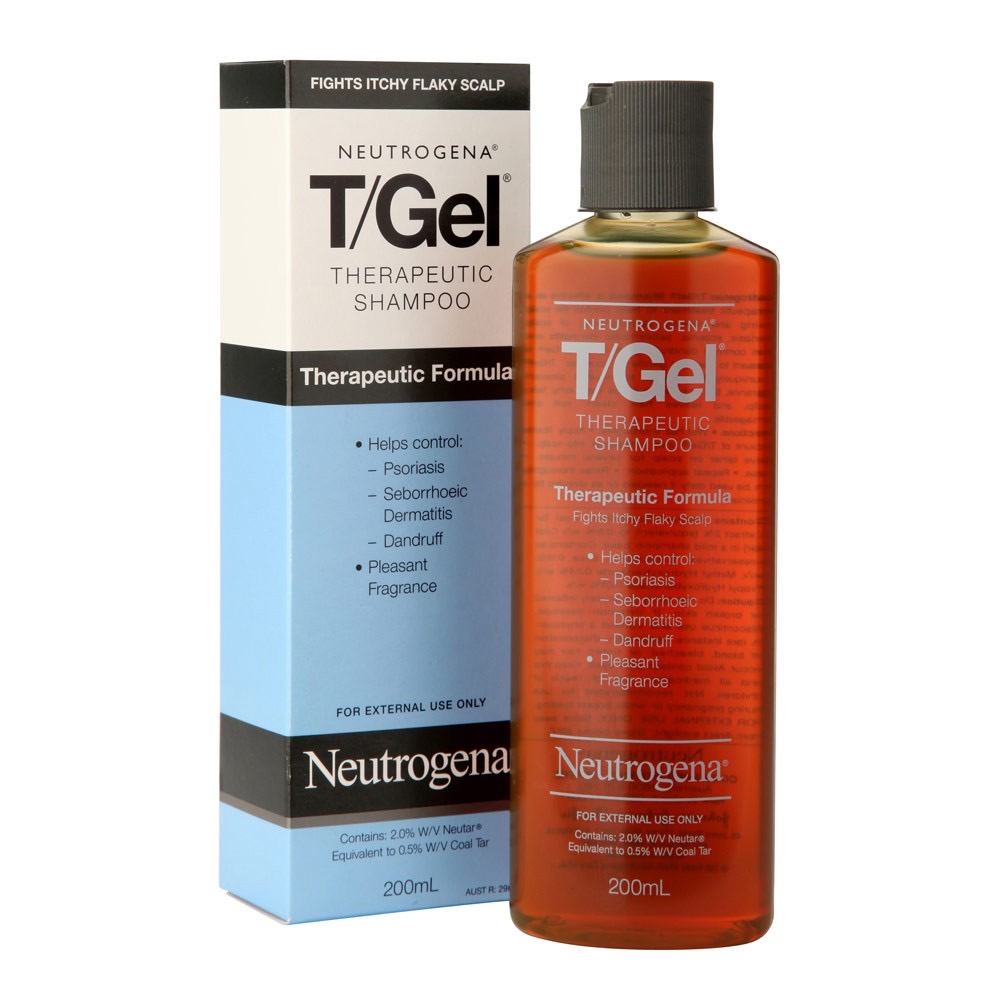
4) Neutrogena T/Gel Therapeutic Shampoo (Best Coal Tar Option)
Best for users who specifically prefer coal-tar route in scalp-care rotation.
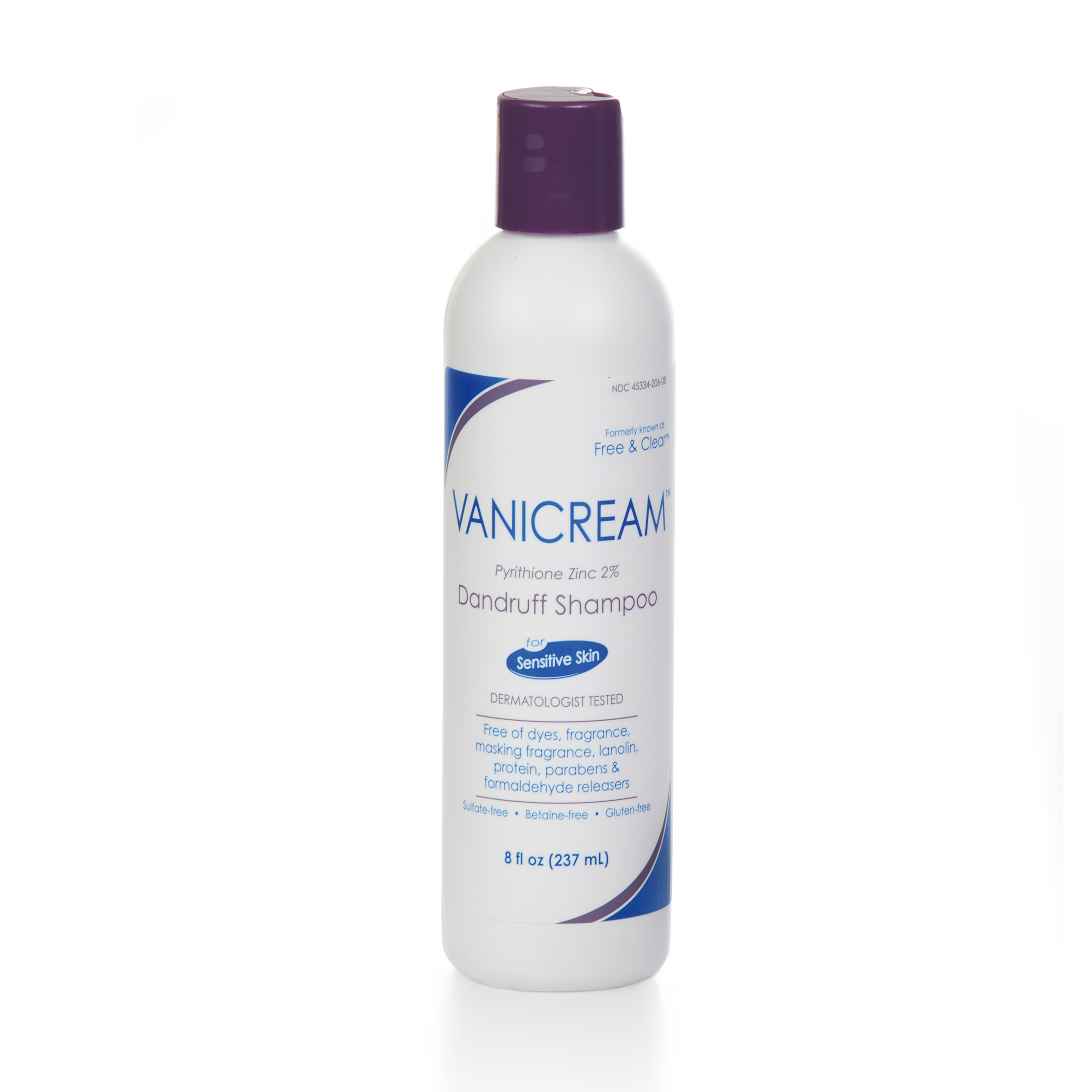
5) Vanicream Dandruff Shampoo (Best Zinc Pyrithione Pick)
Best for users wanting a simpler zinc-based maintenance path.
Common Buying Mistakes for Dandruff Shampoo
- Rinsing too quickly. Contact time matters for active ingredients.
- Switching actives too fast. Consistency is needed for fair evaluation.
- Using medicated shampoo daily without need. Overuse can worsen dryness.
- Ignoring scalp symptoms beyond flakes. Redness or pain may indicate different conditions.
- Skipping hydration for hair lengths. Medicated routines can dry mids and ends.
Dandruff Control Routine Template
- Use medicated shampoo on scheduled treatment days.
- Rotate with gentle cleanser on non-treatment days.
- Track itch, flake level, and scalp redness weekly.
- Escalate care if no meaningful improvement.
Keep contact time consistent on treatment days so active ingredients have a fair chance to work. Most routines fail from inconsistency, not from choosing the wrong active on day one.
Last updated: March 1, 2026. Prices and availability subject to change.