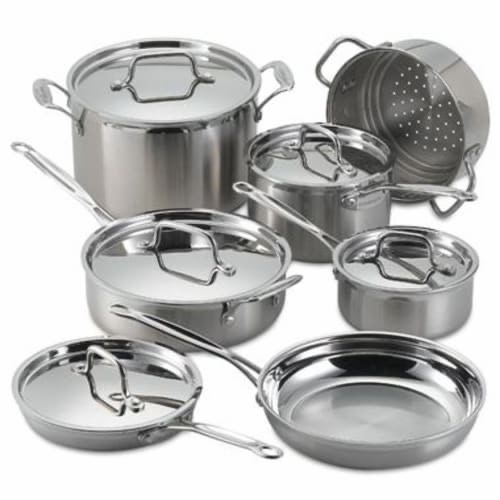
If you are shopping for the best cookware set, the most important decision is material system, not piece count. Stainless, non-stick, and cast iron each solve different cooking problems, and no single set is perfect for every meal style.
Most households get better value by choosing one core material that matches daily cooking habits, then adding one specialty pan later as needed.
For more kitchen comparisons, see Kitchen, browse all buying resources in our blog, and review editorial transparency on Brand Facts.
Best cookware set Quick Answer
For most kitchens, Cuisinart Multiclad Pro 12-Piece is the best all-around balance of durability, material safety, and long-term value. If your priority is a PFAS-free non-stick path aligned with best non toxic cookware preferences, GreenPan Valencia Pro is usually the better match.
For focused skillet decisions, compare with best non stick pans. For prep tools and slicing workflow, pair with best knife sets.
5 Key Factors That Matter Most
- Material type - Stainless, non-stick, and cast iron differ in stick behavior, maintenance, and heat response.
- Safety preference alignment - PFAS-free, PFOA-free, and coating-free preferences should match your comfort level.
- Essential piece mix - Quality of core pots/pans matters more than inflated total piece count.
- Heat source compatibility - Induction, gas, and electric compatibility can vary by set base construction.
- Longevity and replacement cycle - Stainless and cast iron often outlast non-stick, but require different technique.
How We Built This Ranking
We did not run controlled thermal-distribution lab tests. This ranking combines independent roundup analysis, manufacturer specs, user-review trend patterns, and ownership criteria such as durability, cooking versatility, maintenance burden, and value.
Products scored higher when they offered practical piece mix, broad compatibility, and realistic long-term ownership outcomes. We included options across stainless, non-stick, and cast iron to fit different cooking preferences and safety priorities.
Ratings reflect home-cooking use and vary with heat habits, utensil choices, and cleaning practices.
Stainless steel vs non-stick vs cast iron cookware sets: Which Is Better?
Stainless steel sets are usually best for long-term durability and material neutrality. Non-stick sets are best for easier cleanup and low-stick convenience. Cast iron sets are best for rugged heat retention and coating-free cooking with extra maintenance.
Choose stainless when:
- You want long service life
- You are comfortable learning heat/fat technique
- You prioritize coating-free cooking surfaces
Choose non-stick when:
- You want easier cleanup and lower learning curve
- You cook sticky foods often
- You accept eventual coating replacement cycle
Choose cast iron when:
- You want maximum durability per dollar
- You can manage seasoning and weight
- You value high heat retention
Buying Guide: How to Choose the Right Cookware Set
1) Define Your Daily Cooking Pattern First
If you cook eggs, pancakes, and sticky foods frequently, non-stick convenience may matter most. If you sear, braise, and build pan sauces often, stainless can be stronger long term. If you want rugged oven-ready cooking and do not mind upkeep, cast iron can be excellent value.
Let your weekly meals guide material choice.
2) Evaluate Non-Toxic and Coating Preferences Carefully
If you prioritize best non toxic cookware routes, stainless and cast iron avoid synthetic non-stick coatings. Ceramic non-stick can fit users wanting PFAS-free non-stick behavior, but requires careful heat control to maintain performance.
Read labeling details instead of relying on broad marketing terms.
3) Check Induction and Piece Practicality
Induction users should verify magnetic compatibility on all pieces, not just one pan. Also review whether set includes the sizes you actually use most often.
For complementary non-stick needs, compare best non stick pans, and complete your prep setup with best knife sets.
Material Mix Strategy for Real Weekly Cooking
Many kitchens get better results from a mixed-material workflow than from forcing one material for every task.
Use stainless for searing proteins, reducing sauces, and acidic dishes where you want durability and deglazing performance. Use non-stick for eggs, pancakes, and lower-oil quick meals where easy cleanup matters most. Use cast iron for high-heat browning, oven-finishing, and dishes where heat retention is an advantage.
If you are buying one set now, decide which of these tasks dominates your week. A stainless-first set often gives the broadest long-term coverage, while a non-stick-first set can reduce day-to-day friction for beginners.
Also plan around burner size and storage constraints. Oversized pans that do not match your stove footprint or cabinet layout tend to be underused regardless of quality.
A practical setup is starting with core pieces you will use weekly, then adding specialty pans only after your cooking pattern is clear.
Care Rules by Cookware Material
Material lifespan depends heavily on care habits. Stainless tolerates higher heat and metal utensils better than non-stick. Non-stick lasts longer with medium heat and softer utensils. Cast iron rewards seasoning consistency and thorough drying after washing.
Ignoring care differences is one of the fastest ways to make good cookware feel average within a year. Match maintenance style to the material you choose.
This alignment usually extends lifespan and improves long-term value.
Frequently Asked Questions
What material is best for a first cookware set?
Many first-time buyers do best with stainless or balanced non-stick sets depending on cooking style and maintenance preference.
Do I need a large 12- to 15-piece set?
Not always. Useful core pieces matter more than total count.
Is non-stick safe for daily use?
Modern products can be safe when used as directed. Avoid overheating and replace worn coatings.
What is the best route for low-coating cookware preference?
Stainless and cast iron are common options. Ceramic-style non-stick is another route for users wanting coating alternatives to traditional PTFE systems.
How do I choose cookware for induction?
Verify magnetic compatibility for each piece in the set, not only one pan.
Who Each Pick Is Best For
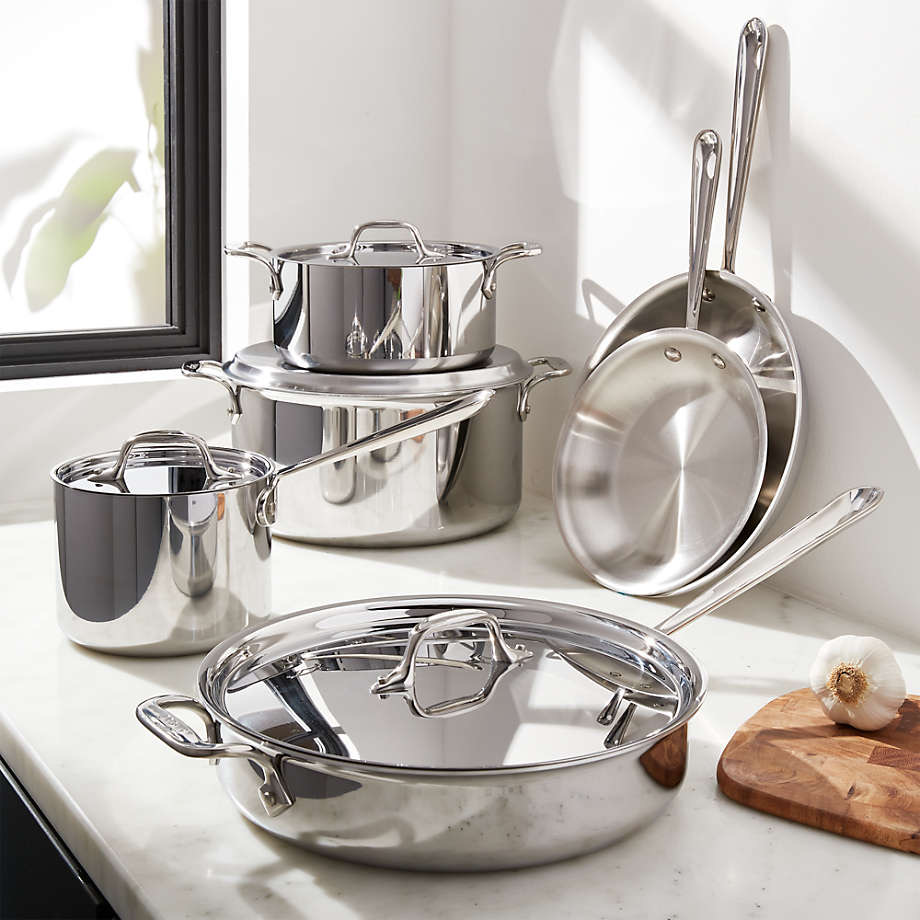
1) Cuisinart Multiclad Pro Stainless Steel 12-Piece Cookware Set (Best Overall)
Best for most home cooks wanting durable stainless performance with long-term versatility.
2) All-Clad D3 10-Piece Stainless Steel Cookware Set (Best Premium Stainless)
Best for frequent cooks who want premium heat control and are comfortable with higher upfront cost.
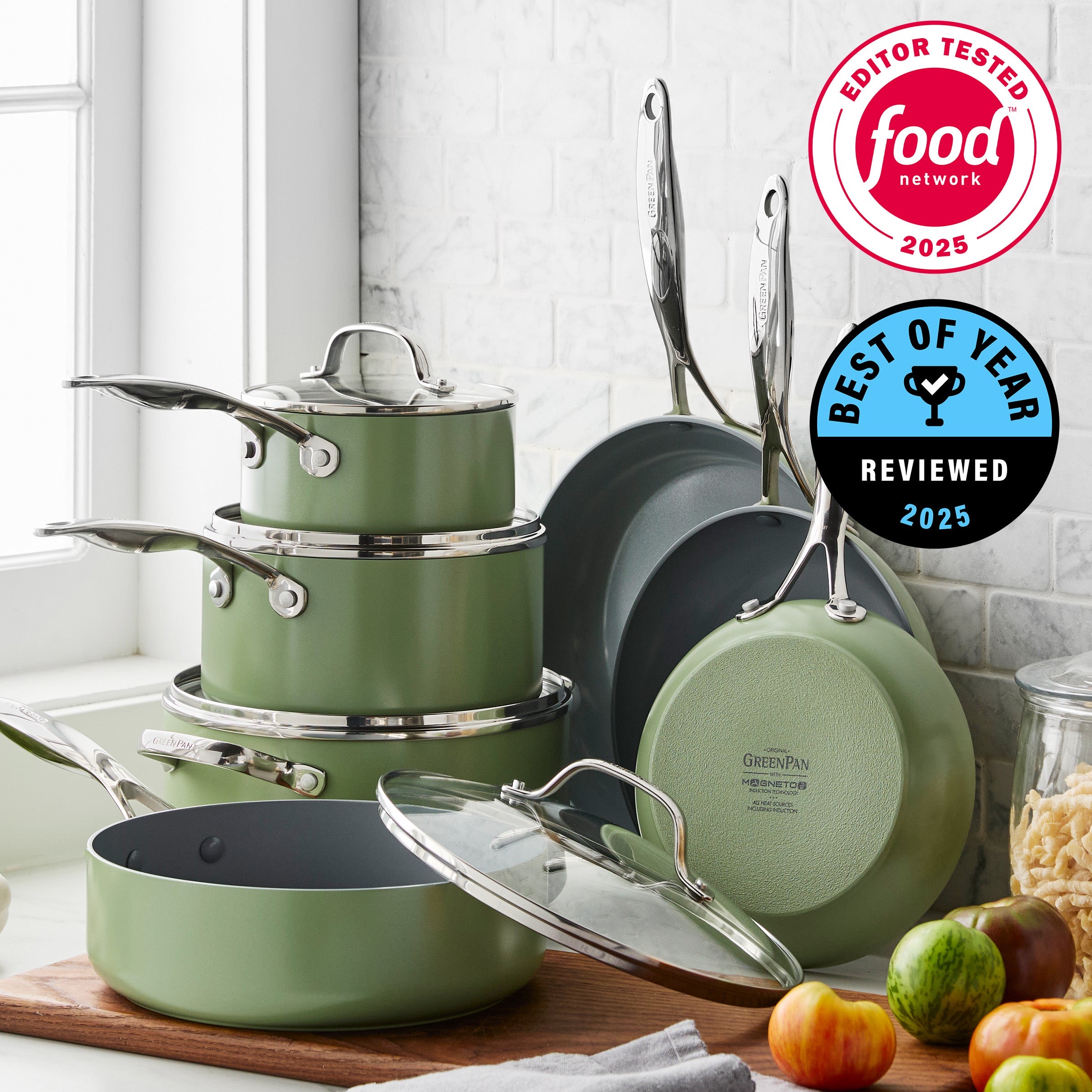
3) GreenPan Valencia Pro 11-Piece Ceramic Nonstick Cookware Set (Best Non Toxic Cookware Option)
Best for users prioritizing PFAS-free ceramic-style non-stick behavior.
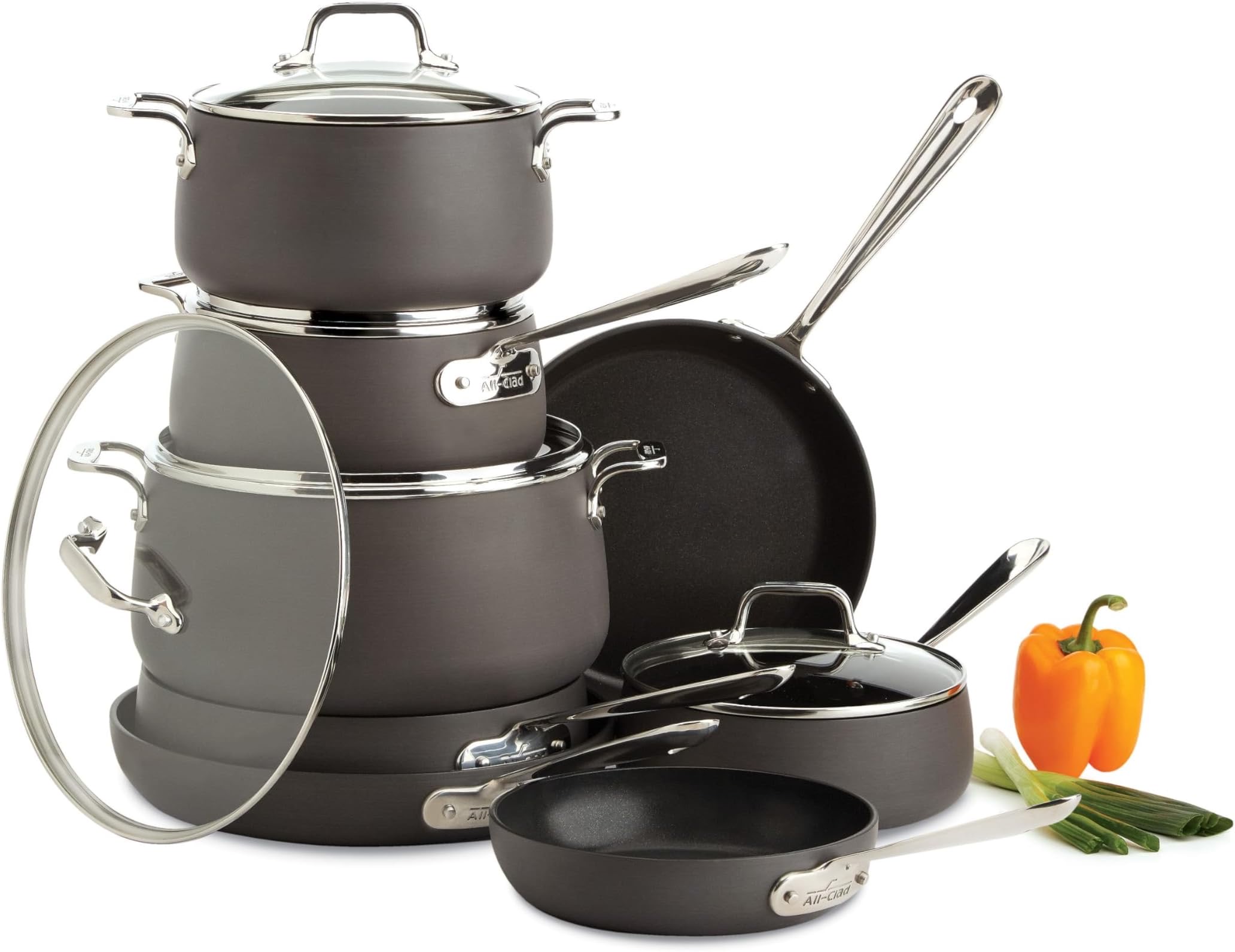
4) Calphalon Premier Hard-Anodized Nonstick 11-Piece Set (Best Mainstream Non-Stick Set)
Best for convenience-focused daily cooking with easier cleanup workflow.
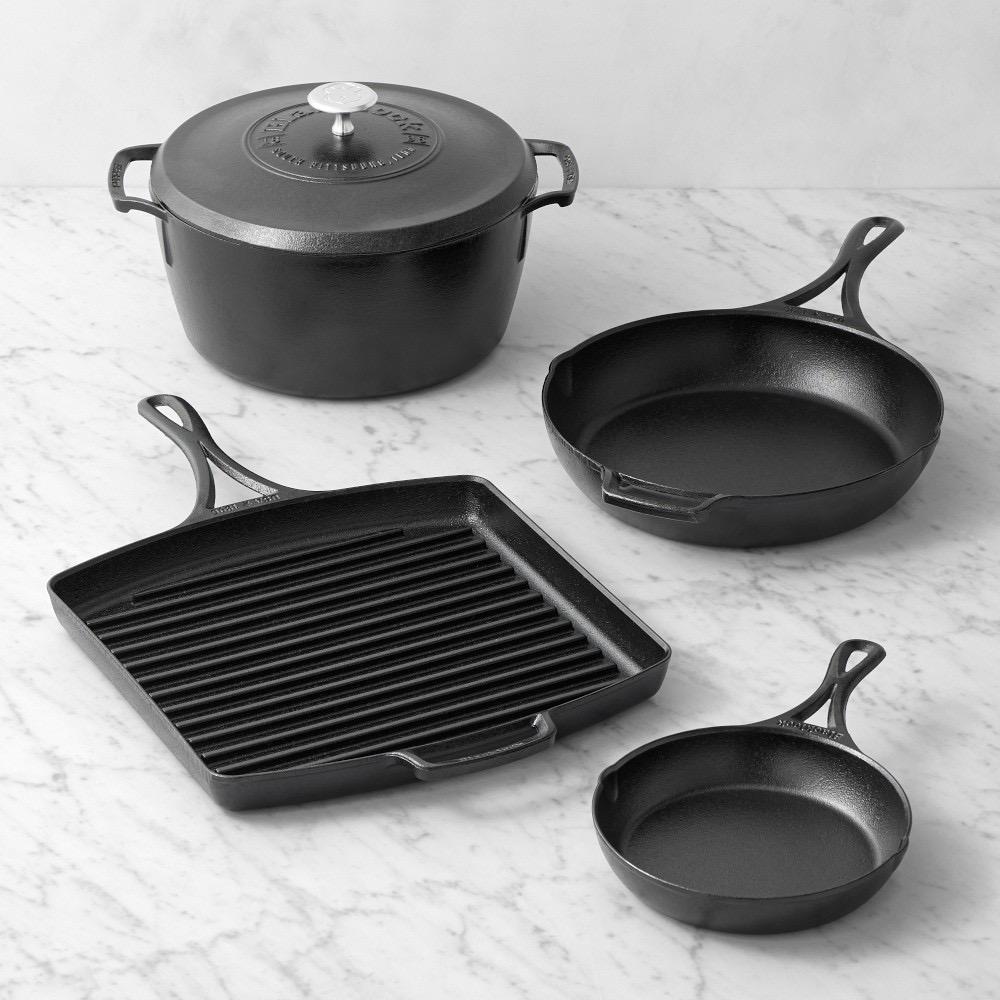
5) Lodge Cast Iron 5-Piece Set (Best Cast-Iron Value Set)
Best for rugged long-life cookware users who accept heavier handling and seasoning upkeep.
Common Buying Mistakes for Cookware Set
- Buying high piece counts with filler items. Useful sizes matter more than set size.
- Ignoring stovetop compatibility. Induction mismatches are a common preventable mistake.
- Overheating non-stick surfaces. Heat misuse shortens lifespan quickly.
- Choosing one material for every use case. Mixed-material kitchens often perform better.
- Skipping maintenance reality checks. Care burden affects long-term satisfaction.
Practical Starter Setup Logic
- Choose material based on weekly meal style.
- Confirm two skillet sizes and one mid-size saucepan are included.
- Add specialty pieces only after core workflow is proven.
When choosing between two similar sets, decide based on your most-used burner sizes and cleanup tolerance, not piece count. Daily usability beats spec-sheet quantity, and that is what determines whether the set actually replaces older pans.
Last updated: March 1, 2026. Prices and availability subject to change.