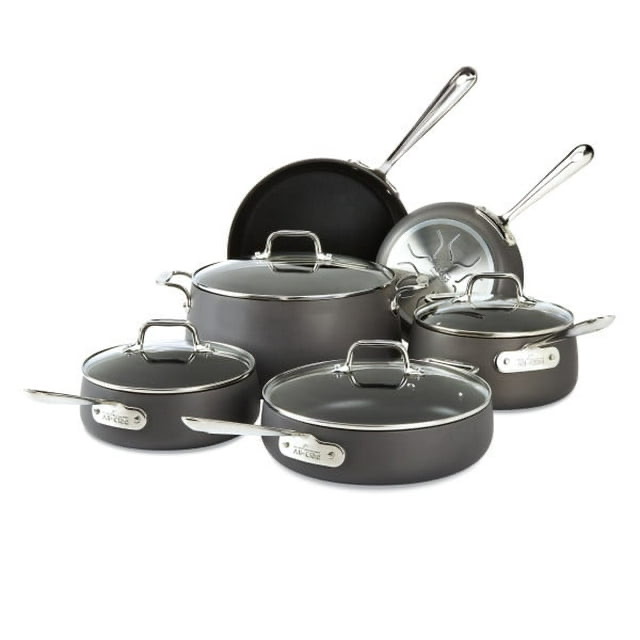
If you are searching for the best non stick pan, the most important choice is coating type and heat discipline, not just brand name. Even high-rated pans fail early if routinely overheated or used with metal tools.
Most home kitchens do best with one pan that matches cooktop compatibility, daily food types, and safety preferences around PTFE versus ceramic coating.
For more kitchen comparisons, see Kitchen, browse all buying resources in our blog, and review editorial transparency on Brand Facts.
Best non stick pan Quick Answer
For most users, All-Clad HA1 is the strongest all-around choice for release performance and durability. If you specifically want a PFAS-free ceramic path, GreenPan Valencia Pro is usually the better fit.
For broader kitchen planning, compare with best cookware sets. For prep workflow and slicing tools, use this with best knife sets.
5 Key Factors That Matter Most
- Coating chemistry - PTFE and ceramic coatings have different performance and lifespan tradeoffs.
- Safety claims clarity - PFOA-free and PFAS-free labels are not interchangeable and should be verified per product.
- Heat tolerance - Oven-safe limits and max stovetop heat matter for durability and safety.
- Cooktop compatibility - Induction users need magnetic base compatibility, not just flat-bottom design.
- Handle comfort and balance - Everyday usability depends heavily on grip, weight, and maneuverability.
How We Built This Ranking
We did not run industrial coating-abrasion tests. This ranking combines independent roundup analysis, manufacturer safety/spec reviews, user-review trend patterns, and ownership criteria such as non-stick longevity, heat performance, and ease of cleaning.
Products scored higher when they balanced safety preferences with realistic kitchen performance. We included both ceramic and PTFE categories because users prioritize coating chemistry differently.
Ratings reflect typical home use and vary with heat habits, utensil choice, and cleaning method.
Ceramic non-stick vs PTFE non-stick: Which Is Better?
Ceramic non-stick is usually better for users prioritizing PFAS-free cookware categories and higher perceived material-safety comfort. PTFE non-stick is usually better for low-stick performance longevity when used correctly at moderate heat.
Choose ceramic non-stick when:
- You prioritize PFAS-free claims
- You cook mostly at medium heat
- You accept potentially shorter peak release lifespan
Choose PTFE non-stick when:
- You want stronger long-term release consistency
- You cook eggs and sticky foods frequently
- You follow heat/utensil care guidance carefully
Both need proper care: avoid overheating and metal scraping.
Buying Guide: How to Choose the Right Non-Stick Pan
1) Check Safety Labels and Use Limits
For PTFE pans, verify modern PFOA-free claims and follow recommended heat range. For ceramic pans, verify PFAS-free messaging and avoid prolonged empty preheating.
No non-stick coating is maintenance-free. Heat control is the biggest lifespan factor.
2) Match Pan to Cooktop and Cooking Style
Induction cooktops require magnetic base compatibility. Gas and electric users have more options, but weight and response speed still matter. If you sear at very high heat often, keep a stainless or cast-iron pan for those tasks.
Use non-stick primarily for low-to-medium-heat sticky foods where release matters most.
3) Improve Durability With Daily Habits
Use silicone or wood utensils, avoid aerosol propellant sprays when possible, and let pans cool before washing. Dishwashers may be convenient but can shorten coating life in some models.
For complete kitchen setup, pair with best cookware sets and prep tools from best knife sets.
Frequently Asked Questions
What is the best non stick pan for eggs?
A well-built PTFE or quality ceramic pan used at moderate heat usually performs best for eggs. Preheat gently and use minimal fat. Overheating is a common cause of sticking.
Is ceramic non-stick safer than Teflon?
Safety preferences differ. Ceramic is often chosen for PFAS-free focus, while modern PTFE pans are typically PFOA-free and safe when used within temperature guidance. Follow manufacturer heat limits.
How long should a non-stick pan last?
Lifespan varies by coating, heat habits, and utensil use, often around a few years with regular home use. Frequent high heat and metal tools shorten life. Proper care extends performance.
Can I use non-stick pans on induction?
Only if the pan has a magnetic induction-compatible base. Always check product labeling. Flat bottom alone is not enough.
What temperature is too high for non-stick pans?
Limits vary by model, but many non-stick coatings perform best at low-to-medium heat. Exceeding manufacturer guidance can degrade coating. Use stainless/cast iron for high-heat searing.
Who Each Pick Is Best For
1) All-Clad HA1 Hard Anodized Nonstick Fry Pan Set (Best Overall)
Choose All-Clad HA1 Hard Anodized Nonstick Fry Pan Set if your priority is daily all-purpose non-stick cooking. In this ranking, it sits at $70-$110 and stands out for Consistent food release performance. The main tradeoff is Premium compared with entry-level pans. This is the better fit when your day-to-day routine matches this product's strengths instead of chasing headline specs.
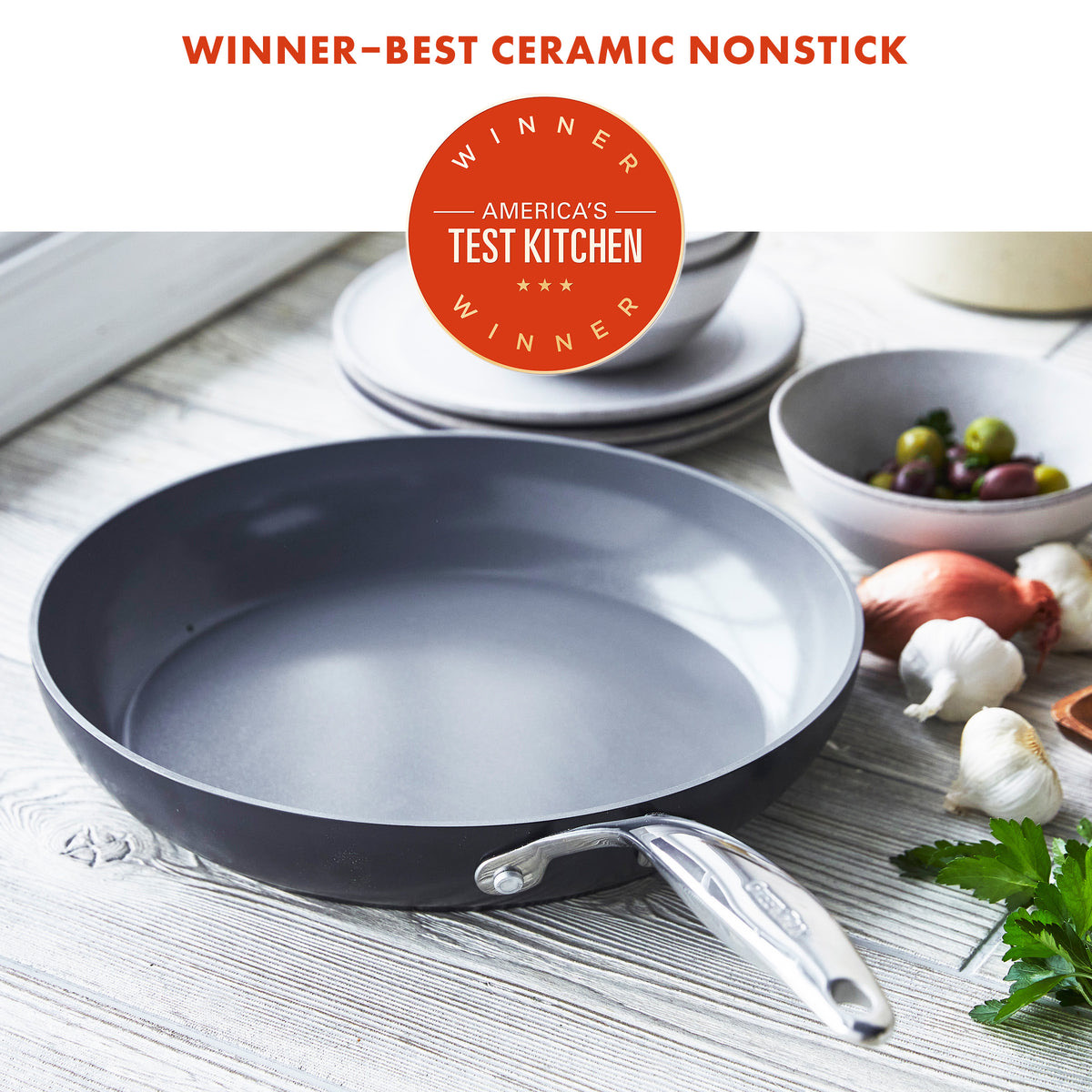
2) GreenPan Valencia Pro Ceramic Nonstick Frypan (Best Ceramic PFAS-Free Option)
Choose GreenPan Valencia Pro Ceramic Nonstick Frypan if your priority is users prioritizing pfas-free ceramic cookware. In this ranking, it sits at $80-$130 and stands out for Ceramic non-stick with PFAS-free focus. The main tradeoff is Ceramic lifespan can shorten with high heat misuse. This is the better fit when your day-to-day routine matches this product's strengths instead of chasing headline specs.
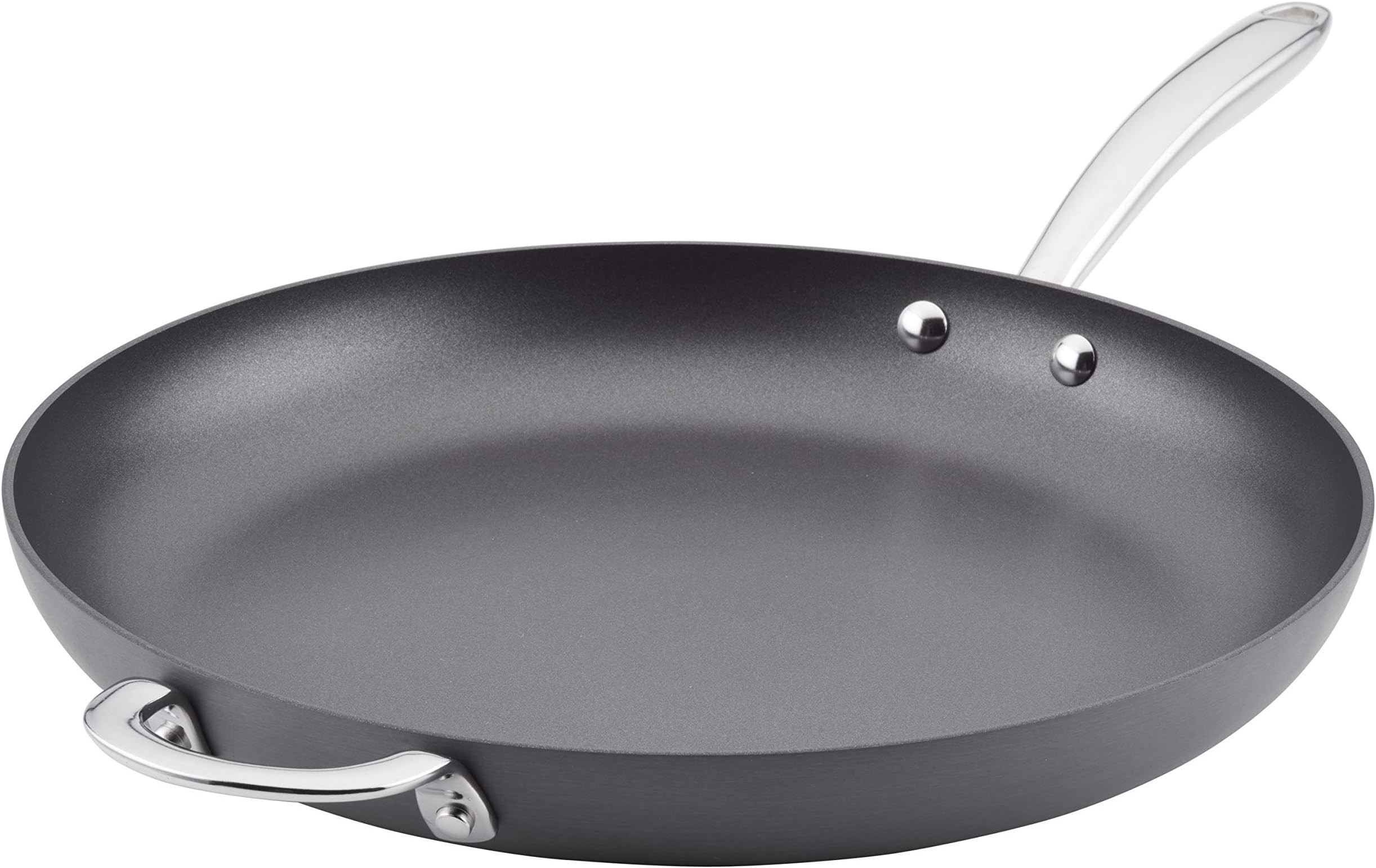
3) Tramontina Professional Aluminum Nonstick Fry Pan (Best Value)
Choose Tramontina Professional Aluminum Nonstick Fry Pan if your priority is budget-conscious daily non-stick tasks. In this ranking, it sits at $30-$45 and stands out for Great price-to-performance. The main tradeoff is Coating lifespan shorter than premium pans. This is the better fit when your day-to-day routine matches this product's strengths instead of chasing headline specs.
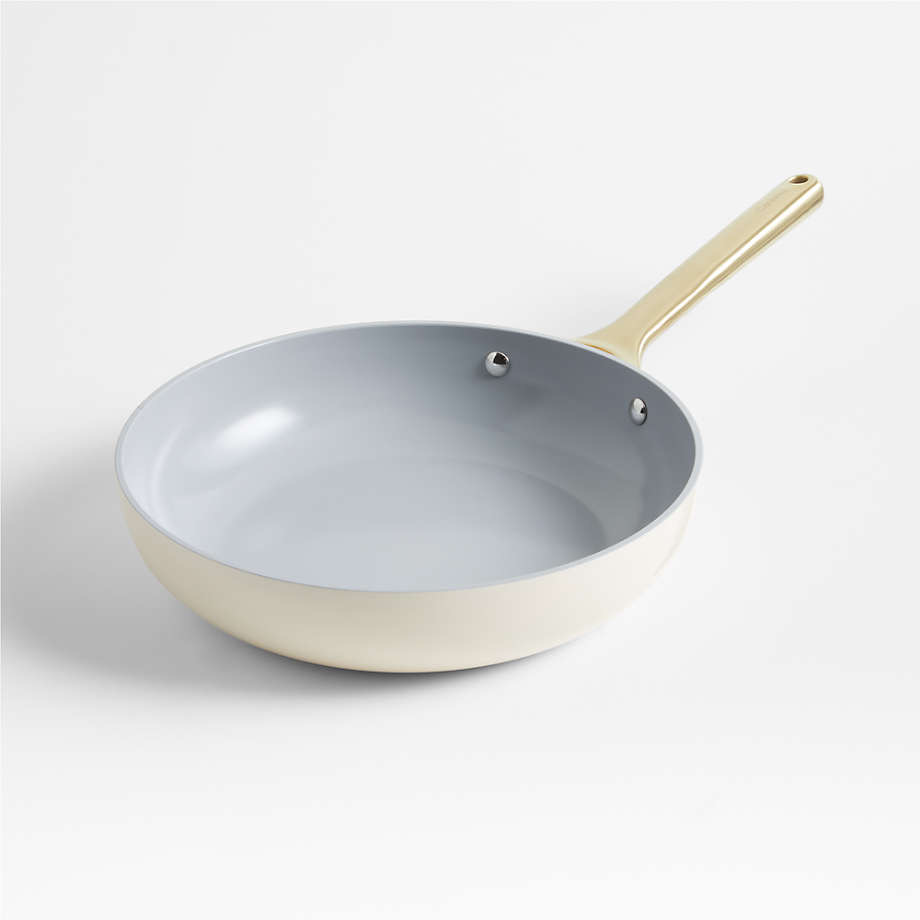
4) Caraway Non-Stick Fry Pan (Best Design-Forward Ceramic Pick)
Choose Caraway Non-Stick Fry Pan if your priority is users valuing design + ceramic safety profile. In this ranking, it sits at $95-$115 and stands out for PFAS-free ceramic coating profile. The main tradeoff is Premium price. This is the better fit when your day-to-day routine matches this product's strengths instead of chasing headline specs.
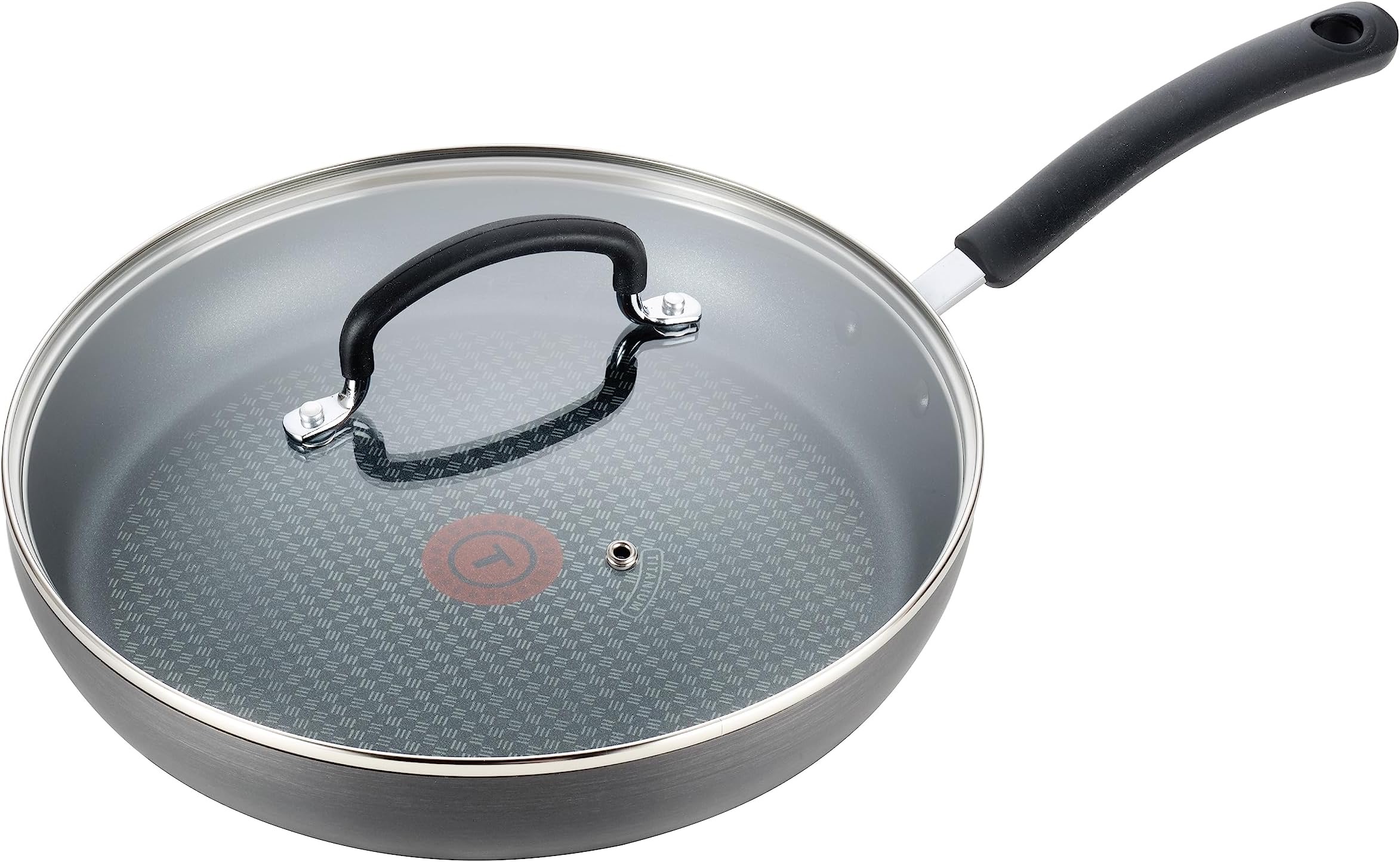
5) T-fal Ultimate Hard Anodized Nonstick Fry Pan (Best Budget Durability)
Choose T-fal Ultimate Hard Anodized Nonstick Fry Pan if your priority is low-cost high-use home cooking. In this ranking, it sits at $32-$55 and stands out for Affordable with good release performance. The main tradeoff is Not usually induction compatible. This is the better fit when your day-to-day routine matches this product's strengths instead of chasing headline specs.
Common Buying Mistakes for Non Stick Pan
- Using high heat by default. Excess heat is the fastest way to degrade non-stick coatings.
- Choosing non-stick for all cooking tasks. Keep stainless or cast iron for high-heat searing.
- Using metal utensils on coated surfaces. Tool mismatch shortens coating life.
- Ignoring cooktop compatibility. Induction users need magnetic bases.
- Expecting indefinite lifespan. Even premium non-stick pans are consumable over multi-year daily use.
Best Pick by Cooking Style
Everyday non-stick reliability
All-Clad HA1 Hard Anodized Nonstick Fry Pan Set remains the best overall daily-use option.
Ceramic PFAS-free preference
GreenPan Valencia Pro Ceramic Nonstick Frypan is the strongest choice for users focused on ceramic cookware.
Budget-friendly daily performance
Tramontina Professional Aluminum Nonstick Fry Pan is the practical value pick.
Design-forward ceramic kitchen setup
Caraway Non-Stick Fry Pan is the better fit when aesthetics and PFAS-free messaging are both priorities.
Low-cost high-use backup pan
T-fal Ultimate Hard Anodized Nonstick Fry Pan remains a solid budget workhorse for routine tasks.
Last updated: March 1, 2026. Prices and availability subject to change.