The best hiking boots give you confidence when trails get rough, wet, and steep. Hiking shoes are lighter and faster, but boots add ankle structure, better load stability, and more protection for longer days or heavier packs. If your routes are rugged, boots are often the safer call.
Fit matters as much as features. A premium waterproof boot that rubs your heel or cramps your toes will fail quickly on trail. You need secure heel hold, enough toe room for descents, and support that matches pack weight.
For more fitness comparisons, see Fitness & Outdoors, browse all buying resources in our blog, and review editorial transparency on Brand Facts.
Best Hiking Boots Quick Answer
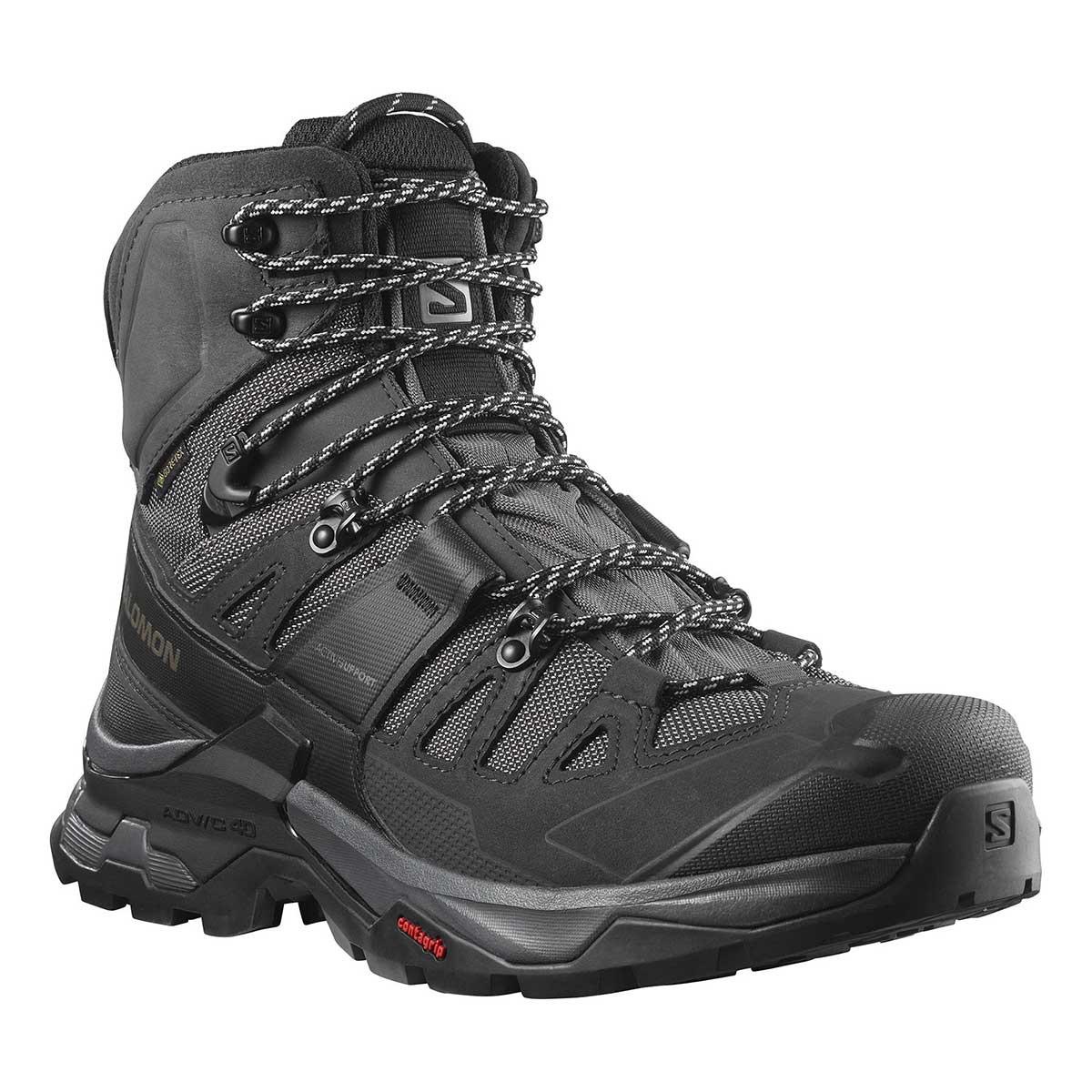
For most hikers, Salomon Quest 4 GORE-TEX is the best hiking boot balance of support, weather protection, and rough-trail stability. If you want a proven leather option with great long-term durability, Lowa Renegade GTX Mid is the best alternative.
If your trips are lighter and faster, compare boots against our best hiking shoes guide. If you split time between running and fastpacking terrain, review our best trail running shoes picks.
5 Key Factors That Matter Most
- Ankle support and torsional stability: Better structure helps on uneven terrain and with heavier pack loads.
- Waterproofing system: Membranes like GORE-TEX help in wet conditions but can reduce breathability in heat.
- Break-in profile: Leather and stiffer boots often need more adaptation before full comfort.
- Weight per boot: Heavier boots improve protection but increase leg fatigue on long days.
- Outsole grip and compatibility: Lug design and sole stiffness affect traction and use with devices like crampons.
How We Built This Ranking
We did not run lab torsion or abrasion tests. This ranking combines independent roundup analysis, manufacturer specs, user review trends, and practical ownership factors such as break-in burden, load support, and wet-trail reliability.
We weighted stability, waterproof performance, and long-route comfort first. We also scored category spread so this list includes lighter day-hike boots, midweight leather options, and technical boots for steeper terrain.
Because hiking conditions vary widely, we focused on use-case clarity rather than one universal boot style.
Leather vs Synthetic, and Heavy-Duty vs Lightweight Boots
Leather boots are usually more durable and supportive over time but often require longer break-in and carry more weight.
Synthetic boots are typically lighter and dry faster, but long-term abrasion resistance can vary by model.
Heavy-duty boots are best for backpacking loads, rough routes, and unpredictable conditions.
Lightweight boots are better for day hikes and faster movement when carrying lighter packs.
If you are unsure, start with midweight support and move heavier only if your terrain or load demands it.
Buying Guide: How to Choose the Right Hiking Boots
1) Match Support Level to Pack Weight and Terrain
If your hikes are mostly day trips with light packs, medium support is often enough. For multi-day routes with heavier loads, choose stiffer boots with stronger ankle structure and supportive midsoles.
Boot stiffness should rise with terrain difficulty and load weight, not with marketing tier alone.
2) Plan Break-In Time Before Big Trips
Many problems happen when new boots go straight into long hikes. Start with short walks, then moderate trail sessions, then full-day efforts.
Pay attention to heel slip and toe pressure on descents. Small fit problems become major blisters after several miles.
3) Understand Traction Tools and Crampon Fit
Most hiking boots in this list work well with microspikes or strap-on traction aids for icy conditions. Only more technical builds, like alpine-oriented options, support semi-automatic crampon systems.
If you mainly hike faster and lighter trails, compare with our hiking shoes recommendations. If your style overlaps running terrain, check our trail running shoe guide before committing to heavier boots.
Frequently Asked Questions
What are the best hiking boots for ankle support?
Boots with supportive chassis systems, secure lacing, and stable midsoles usually perform best. In this ranking, Salomon Quest 4 GTX and Asolo Fugitive GTX are strong support-focused options. Fit still determines real ankle control.
Are hiking boots better than hiking shoes?
Boots are usually better for heavier packs, rugged terrain, and hikers who want more ankle structure. Hiking shoes are lighter and faster for day hikes. Choose based on terrain and load, not habit.
How long does it take to break in hiking boots?
Many boots need several short outings before they feel fully settled. Leather and stiffer models often take longer than soft synthetic boots. Break-in gradually to reduce blister risk.
Do I need waterproof hiking boots?
Waterproof boots help in wet, cold, and muddy environments. In hot and dry climates, non-waterproof models can be more breathable and comfortable. Match waterproofing to your regular conditions.
Can all hiking boots use crampons?
No. Most standard hiking boots are best with strap-on traction aids, not technical crampons. Semi-automatic or automatic crampon use requires specific sole stiffness and heel welt design.
Who Each Pick Is Best For
1) Salomon Quest 4 GORE-TEX (Best Overall)
Choose Salomon Quest 4 GORE-TEX if your priority is backpackers and long-hike users needing strong support. In this ranking, it sits at $230 and stands out for Advanced Chassis improves side-to-side support on uneven trails. The main tradeoff is Heavier feel than lightweight boots. This is the better fit when your day-to-day routine matches this product's strengths instead of chasing headline specs.
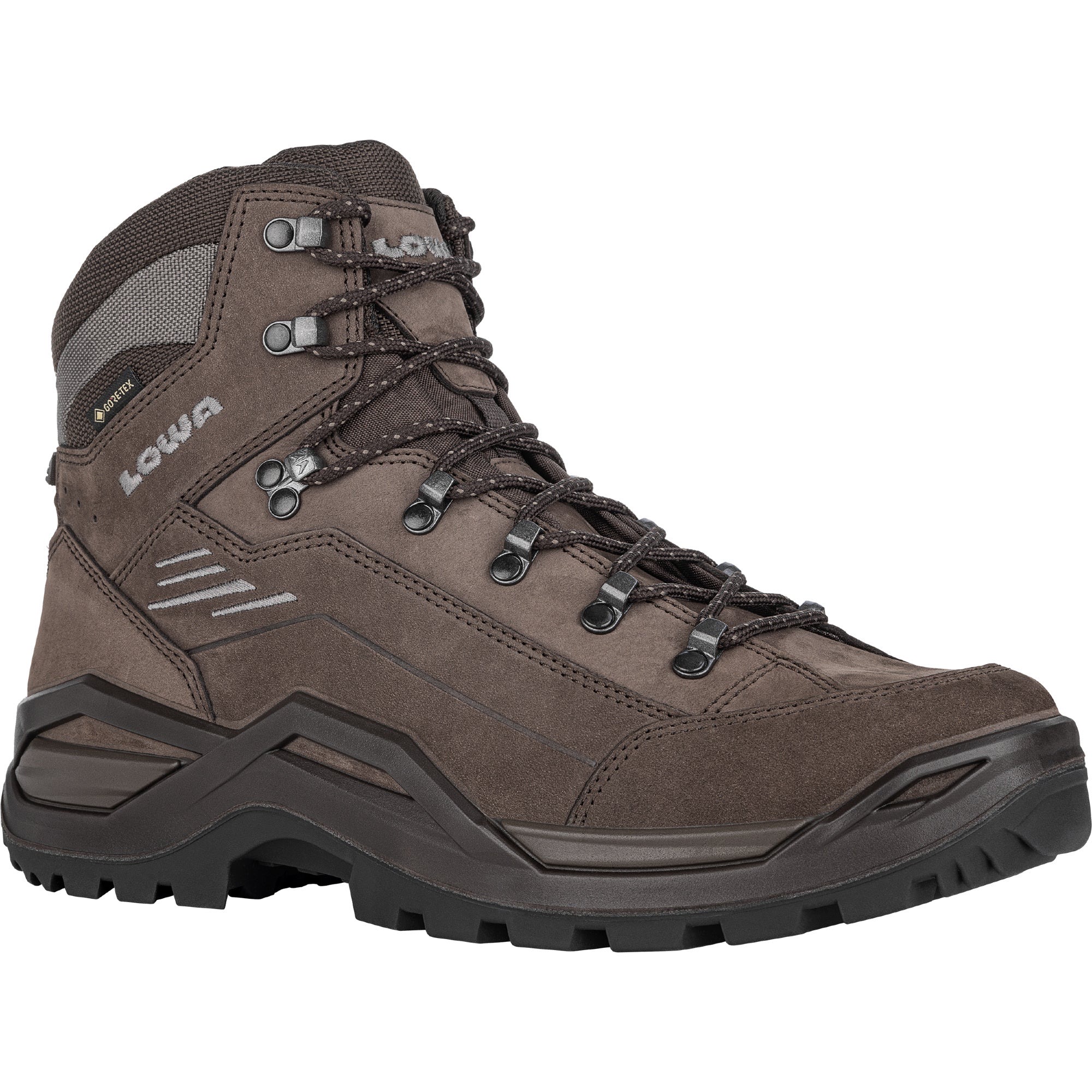
2) Lowa Renegade GTX Mid (Best Leather Midweight)
Choose Lowa Renegade GTX Mid if your priority is hikers wanting durable leather support in a midweight class. In this ranking, it sits at $255 and stands out for Supportive Monowrap frame improves foot stability. The main tradeoff is Longer break-in than softer synthetic boots. This is the better fit when your day-to-day routine matches this product's strengths instead of chasing headline specs.
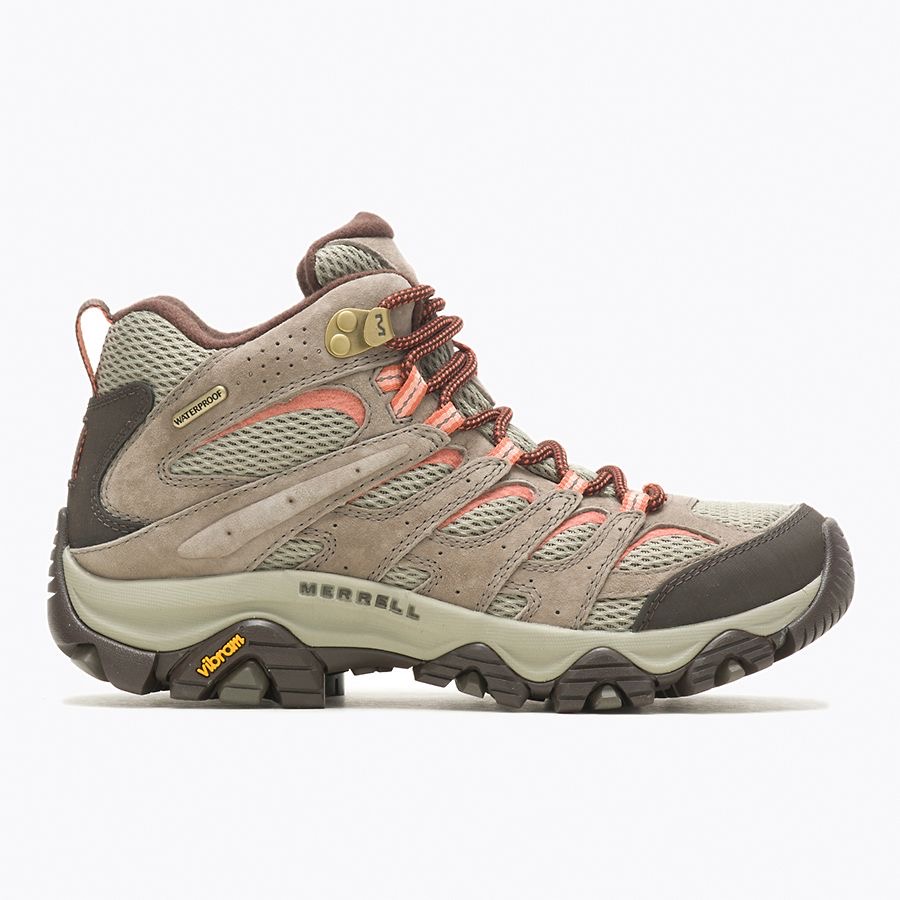
3) Merrell Moab 3 Mid Waterproof (Best Value)
Choose Merrell Moab 3 Mid Waterproof if your priority is day hikers wanting comfort and value. In this ranking, it sits at $145 and stands out for Comfortable fit for many foot shapes. The main tradeoff is Less torsional support for heavy loads. This is the better fit when your day-to-day routine matches this product's strengths instead of chasing headline specs.
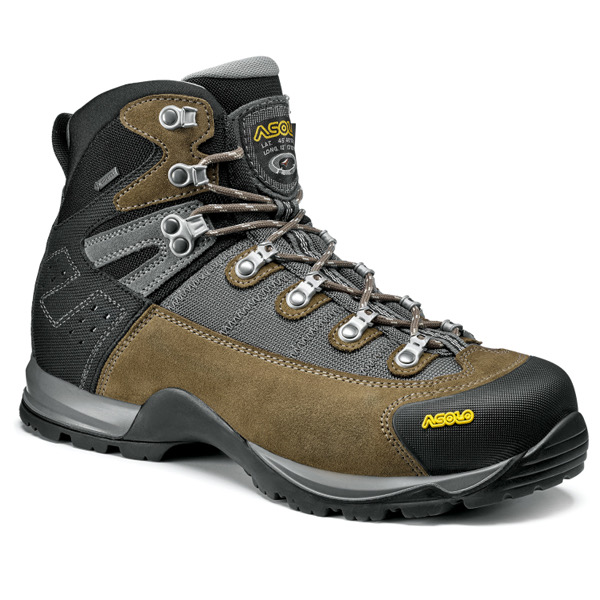
4) Asolo Fugitive GTX (Best for Heavy Loads)
Choose Asolo Fugitive GTX if your priority is backpacking with heavier packs and rough routes. In this ranking, it sits at $300-$330 and stands out for Supportive dual-density midsole for load carrying. The main tradeoff is Longer break-in period. This is the better fit when your day-to-day routine matches this product's strengths instead of chasing headline specs.
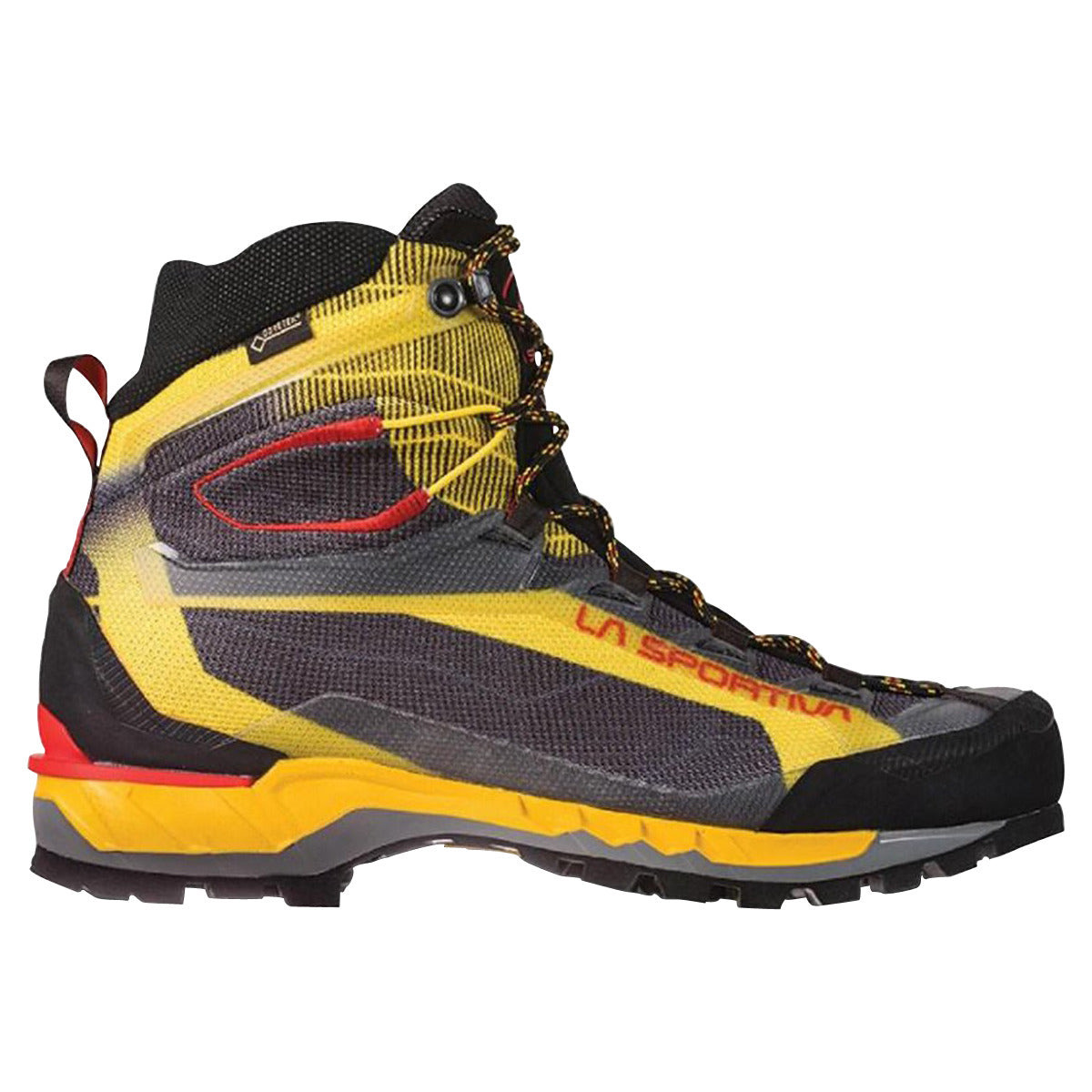
5) La Sportiva Trango Tech GTX (Best for Alpine Terrain)
Choose La Sportiva Trango Tech GTX if your priority is technical mountain routes and alpine approaches. In this ranking, it sits at $279 and stands out for Precise fit and protective rand for rocky terrain. The main tradeoff is Narrow technical fit may not suit all hikers. This is the better fit when your day-to-day routine matches this product's strengths instead of chasing headline specs.
Common Buying Mistakes for Hiking Boots
- Buying by brand before fit testing. Poor heel lock or toe-box mismatch can ruin even premium boots.
- Skipping load-based testing. Boots that feel fine in store can fail when carrying a full trail pack.
- Going too stiff for your actual trails. Overbuilt boots can feel fatiguing on lighter hikes.
- Ignoring break-in planning. New boots need progressive trail exposure before long trips.
- Using one sock system for all seasons. Sock thickness changes fit and comfort more than many users expect.
Best Pick by Hiking Profile
Long routes with moderate-to-heavy packs
Salomon Quest 4 GORE-TEX is still the strongest all-around support choice.
Durable leather feel with balanced support
Lowa Renegade GTX Mid remains the dependable premium leather option for mixed terrain.
Day-hike comfort at better value
Merrell Moab 3 Mid Waterproof is the easiest pick for lighter loads and broad fit comfort.
Heavy-load backpacking and rough terrain
Asolo Fugitive GTX is the right choice when support under load is your top priority.
Technical alpine-style terrain
La Sportiva Trango Tech GTX is best for users who need precise control in steeper, rockier conditions.
Last updated: March 1, 2026. Prices and availability subject to change.