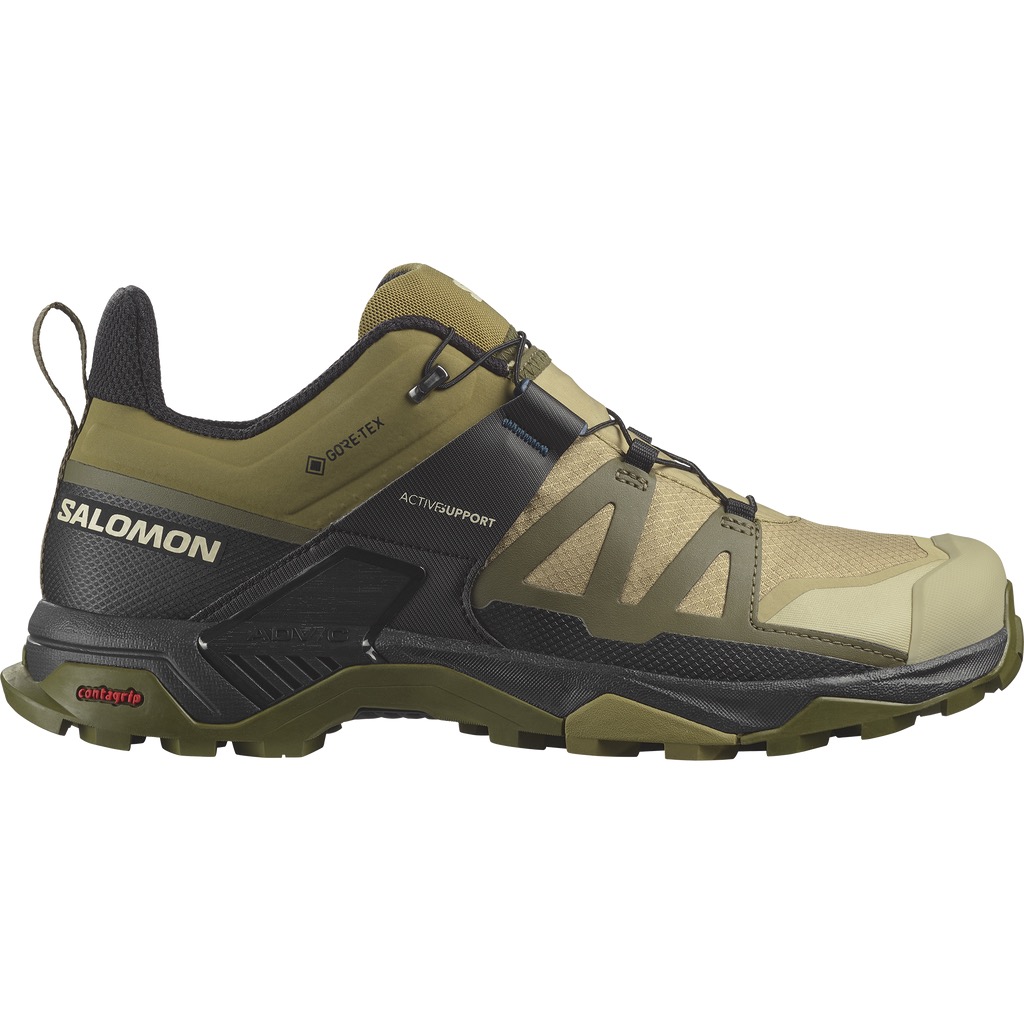
If you are looking for the best hiking shoes, the biggest decision is not waterproof or non-waterproof first. It is trail type and foot preference. Rocky, rooty routes with uneven footing demand more structure and traction than smooth park loops, and your shoe should reflect that reality.
Low-cut hiking shoes can be a great fit for day hikers who want lighter movement than full boots. But the right model still needs adequate grip, dependable support, and comfort that survives full-day mileage.
For more fitness comparisons, see Fitness & Outdoors, browse all buying resources in our blog, and review editorial transparency on Brand Facts.
Best Hiking Shoes Quick Answer
For most day hikers, Salomon X Ultra 4 GTX is the strongest all-around choice because it balances support, grip, and weather protection without excessive bulk. If you want a more budget-friendly classic with proven comfort, Merrell Moab 3 GTX remains a dependable value pick.
If you are deciding between low-cut and higher-support options, compare this page with our best hiking boots guide and best trail running shoes list.
5 Key Factors That Matter Most
- Outsole traction quality - Lug shape, rubber compound, and braking pattern matter more than style for real trail confidence.
- Waterproofing strategy - GORE-TEX and brand membranes help in wet conditions but can feel warmer in dry summer heat.
- Weight and agility - Lighter shoes improve turnover on easy terrain, while heavier shoes may provide more protection.
- Break-in and fit stability - Heel hold and toe-box comfort are critical for reducing hotspot and blister risk.
- Support level vs flexibility - Some hikers need stiffer chassis support; others prefer more natural foot movement.
How We Built This Ranking
We did not run controlled terrain lab tests. This ranking combines independent roundup analysis, manufacturer specifications, user feedback trends, and practical ownership criteria like long-day comfort, traction confidence, and durability perception.
For this keyword, we emphasized broad day-hike usability rather than niche ultralight or mountaineering specialization. Shoes ranked higher when they balanced traction, comfort, and support across varied recreational terrain.
We also included multiple fit profiles so the list serves narrow-, neutral-, and wider-foot hikers.
Why Each Product Ranked Where It Did
1) Salomon X Ultra 4 GTX (Best Overall)
It ranked first because it handles the widest range of day-hike scenarios with reliable grip, structure, and weather protection. For many hikers, it is the easiest one-shoe recommendation.
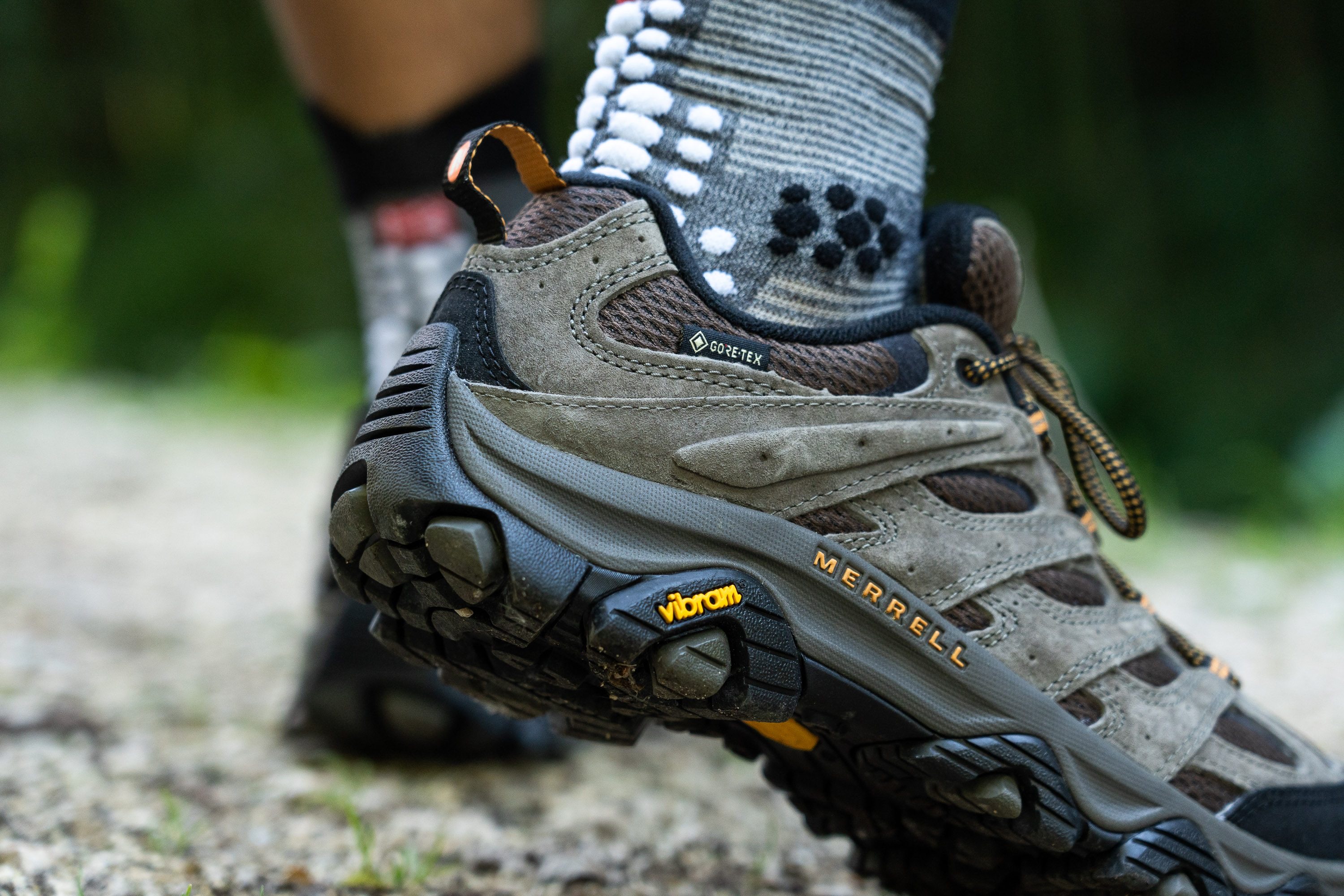
2) Merrell Moab 3 GTX (Best Value All-Trail)
Moab ranked second due to dependable comfort and strong long-term value in a proven platform. It scored just behind Salomon on agility and modern lightweight feel.
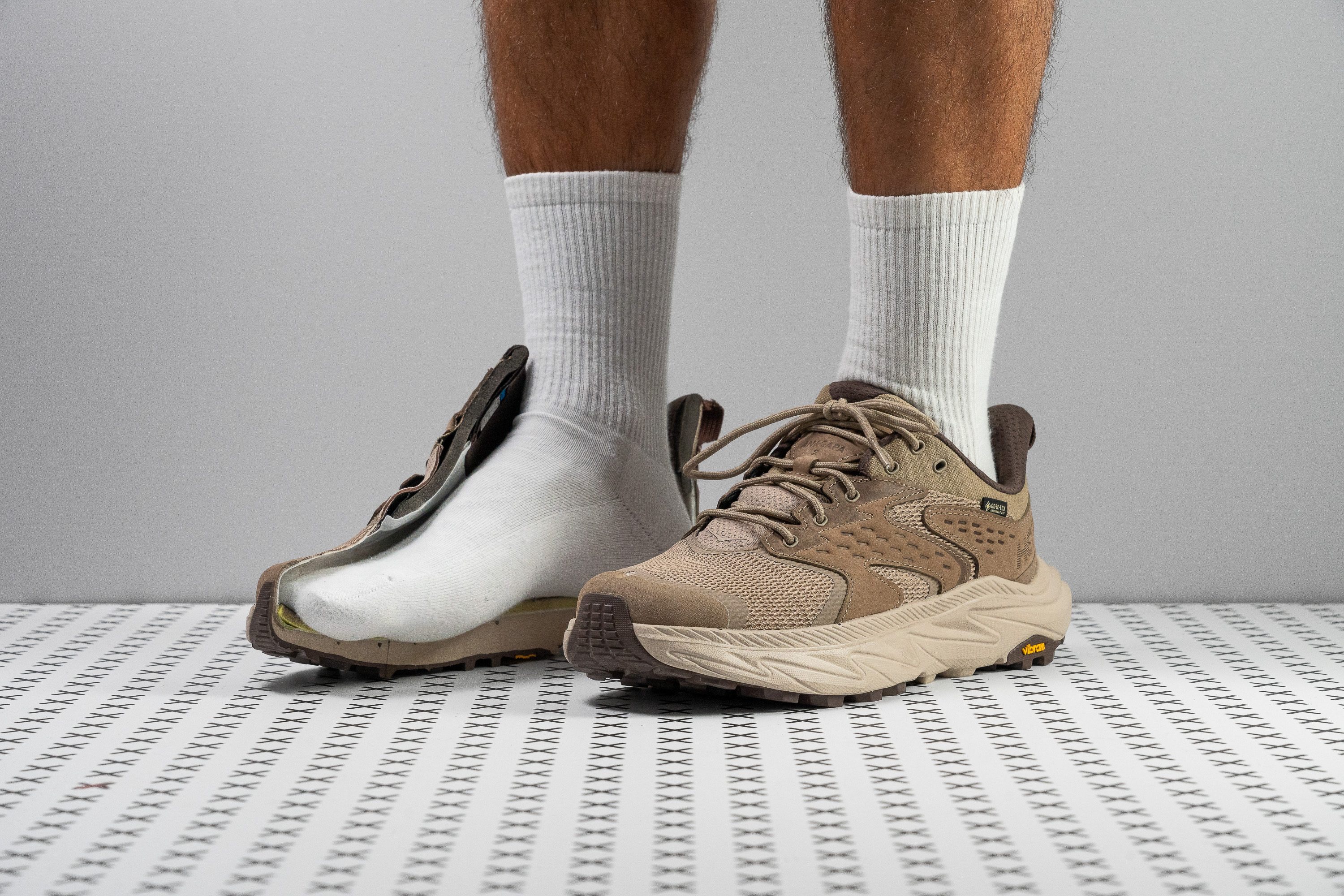
3) HOKA Anacapa 2 Low GTX (Best Cushioning Comfort)
HOKA ranked third for excellent underfoot comfort over long miles. It placed lower only because some technical hikers prefer firmer and lower-stack precision.
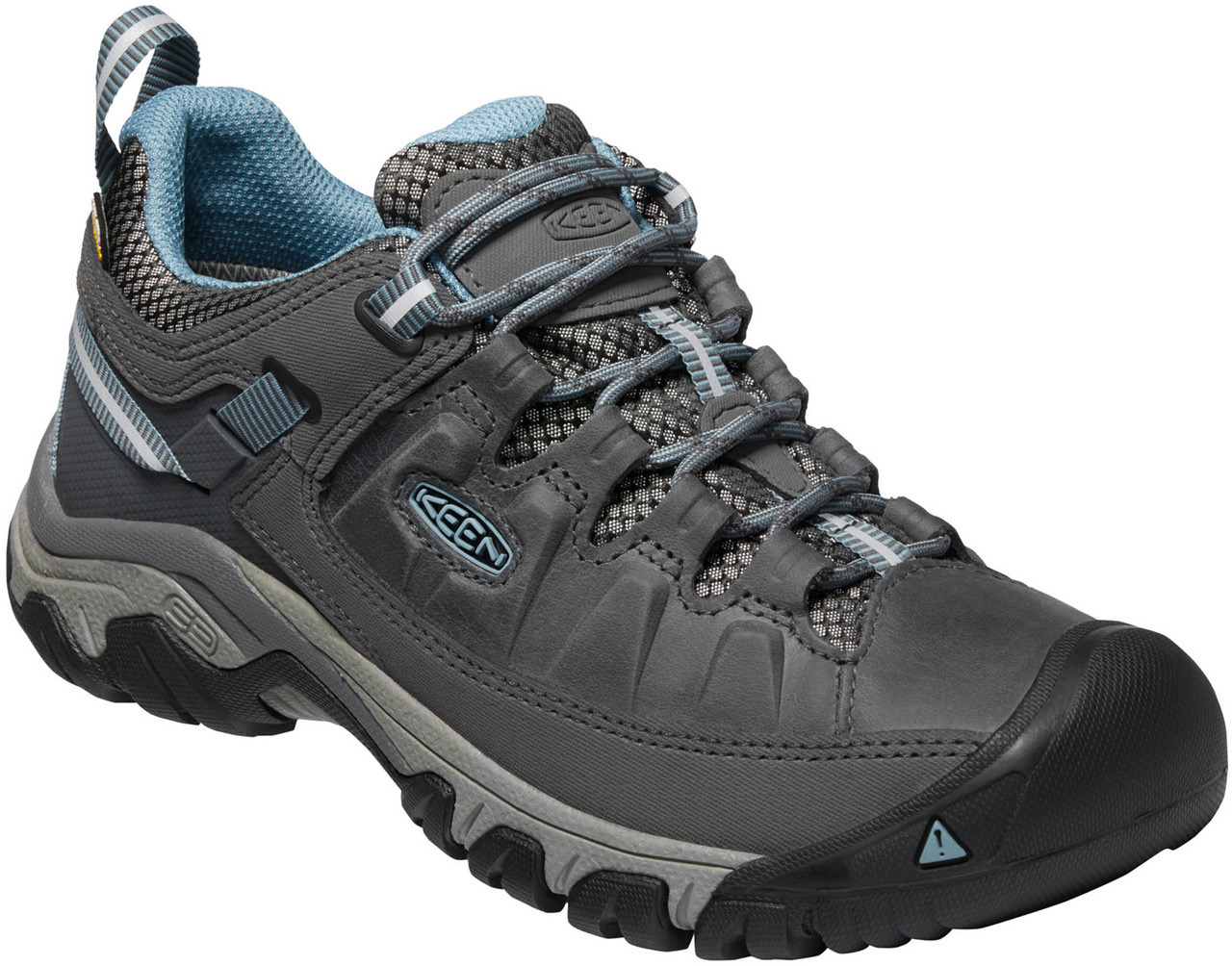
4) KEEN Targhee III Waterproof (Best Wide Toe Box)
KEEN ranked fourth because toe-box room and comfort are notable strengths for wider feet. It trails top picks in agility and overall weight efficiency.
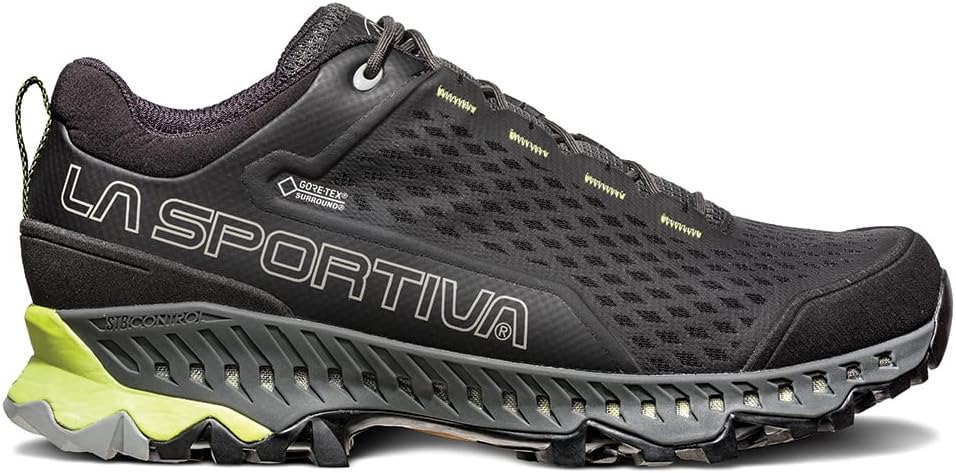
5) La Sportiva Spire GTX (Best Technical Premium)
La Sportiva ranked fifth because technical performance is strong but fit preference and price narrow its mainstream value. It is ideal for hikers who want precision and are willing to pay for it.
Hiking Shoes (Low-Cut) vs Hiking Boots (Ankle Support)
Low-cut hiking shoes are typically better for speed, comfort, and lighter daypacks on maintained trails. They reduce weight and often feel less restrictive.
Hiking boots are better when ankle coverage, heavier-load stability, and rough terrain protection are priorities.
Practical rule:
- Choose low-cut shoes for day hikes and mixed trail/walk usage
- Choose boots for heavier packs, rugged terrain, and users wanting extra ankle support
- If you are between categories, prioritize the terrain you hike most often
Trail Profile Matching: Dry, Wet, and Rocky Routes
If most of your hikes are dry and moderate, prioritize comfort, breathable upper feel, and lighter weight. Overbuilt shoes can feel slower and hotter than needed.
If you hike in wet or muddy conditions, waterproof membranes and aggressive lug patterns become more valuable, especially on root-heavy descents. Keep in mind that waterproof shoes can retain heat in warm climates.
For rocky or technical terrain, focus on outsole bite, torsional stability, and toe protection. Slightly firmer midsoles often feel more secure on uneven stone than very soft cushioned platforms.
Break-in expectations also differ by model. Even comfortable shoes should be tested on short outings before committing to all-day mileage. Dialing in sock thickness and lacing technique can solve many early hotspot issues without changing shoes.
For hikers moving between seasons, keeping one waterproof pair and one non-waterproof pair can be more practical than forcing one shoe into every weather condition.
This approach often improves comfort and extends shoe life because each pair is used in the conditions it handles best.
It also gives you backup flexibility for multi-day trips where drying time and trail moisture can shift unexpectedly.
When possible, carry an extra pair of dry socks to reduce blister risk on longer wet-weather outings.
Buying Guide: How to Choose the Right Hiking Shoes
1) Match Outsole and Support to Typical Terrain
Dry dirt trails, wet roots, loose gravel, and rocky descents all demand different grip behavior. If your routes are often steep and loose, prioritize deeper lug confidence and stable braking.
For smoother trails, comfort and weight reduction can matter more than maximum outsole aggression.
2) Decide Waterproof vs Non-Waterproof by Climate
Waterproof shoes help in rain, mud, and wet brush, but they can run warmer in hot and dry climates. Non-waterproof versions usually dry faster and feel cooler, especially in summer.
If you hike year-round in mixed weather, waterproof models are often the safer default.
3) Fit for Long Distances, Not Store Impressions
Try shoes with hiking socks and leave enough toe room for descents. Check heel lockdown, midfoot pressure, and forefoot width after walking for several minutes.
If you are comparing support levels across categories, review our hiking boots guide. For faster-paced alternatives, compare with trail running shoes.
Frequently Asked Questions
Should I choose waterproof or non-waterproof hiking shoes?
Waterproof models are useful in wet brush, rain, and shoulder seasons, while non-waterproof models are often cooler and faster-drying in warm climates. Pick based on your most common trail conditions.
How much toe room do I need for descents?
You want enough room to avoid toe impact on downhills without heel lift. Test with hiking socks and confirm heel lockdown before long trail days.
Do hiking shoes need a break-in period?
Usually some adaptation is normal, but modern shoes should not require painful break-in. Start with short hikes and adjust socks/lacing before committing to full-day mileage.
How often should hiking shoes be replaced?
Replace when midsole support collapses, outsole grip is worn, or upper fit becomes unstable. Mileage, terrain, and pack weight all affect lifespan.
Can I use trail running shoes instead?
Sometimes yes, especially for light day hikes and fast movement. For rough terrain or heavier loads, hiking shoes often provide more stability and protection.
Who Each Pick Is Best For
1) Salomon X Ultra 4 GTX (Best Overall)
Best for hikers who want a stable all-terrain daily driver with reliable weather protection.
2) Merrell Moab 3 GTX (Best Value All-Trail)
Best for comfort-first hikers who want proven fit and long-term value.
3) HOKA Anacapa 2 Low GTX (Best Cushioning Comfort)
Best for long trail days where cushioning and fatigue reduction are top priorities.
4) KEEN Targhee III Waterproof (Best Wide Toe Box)
Best for wider-foot hikers who need more forefoot room and dependable trail protection.
5) La Sportiva Spire GTX (Best Technical Premium)
Best for technical terrain users who want high-end traction and precision feel.
Common Buying Mistakes for Hiking Shoes
- Buying only by brand reputation. Fit and terrain match matter more than logo preference.
- Sizing from casual shoes. Hiking socks and downhill toe clearance change sizing needs.
- Overvaluing waterproofing in hot climates. Breathability can be more important for comfort.
- Skipping short break-in hikes. Early testing catches hotspots before long outings.
- Using one pair for every condition. A two-pair setup can be more practical for mixed climates.
Pre-Hike Fit Test
- Walk downhill on an incline and check toe clearance.
- Check heel lockdown with hiking socks.
- Wear for at least 30-45 minutes before removing tags.
Last updated: March 1, 2026. Prices and availability subject to change.