Choosing the best prenatal vitamins is less about finding a perfect label and more about finding a formula you can tolerate every day. Most buyers get stuck comparing folate form debates while ignoring the practical blockers that actually derail adherence: pill burden, nausea response, and whether DHA and iron strategy match real life.
For more health-focused comparisons, see Health & Wellness, browse our blog, and review editorial transparency on Brand Facts.
Medical Disclaimer
This guide is informational only and not medical advice. Consult a qualified healthcare provider before starting any supplement, medication, or health product, especially if you are pregnant, nursing, taking medications, or managing a health condition.
Best Prenatal Vitamins Quick Answer
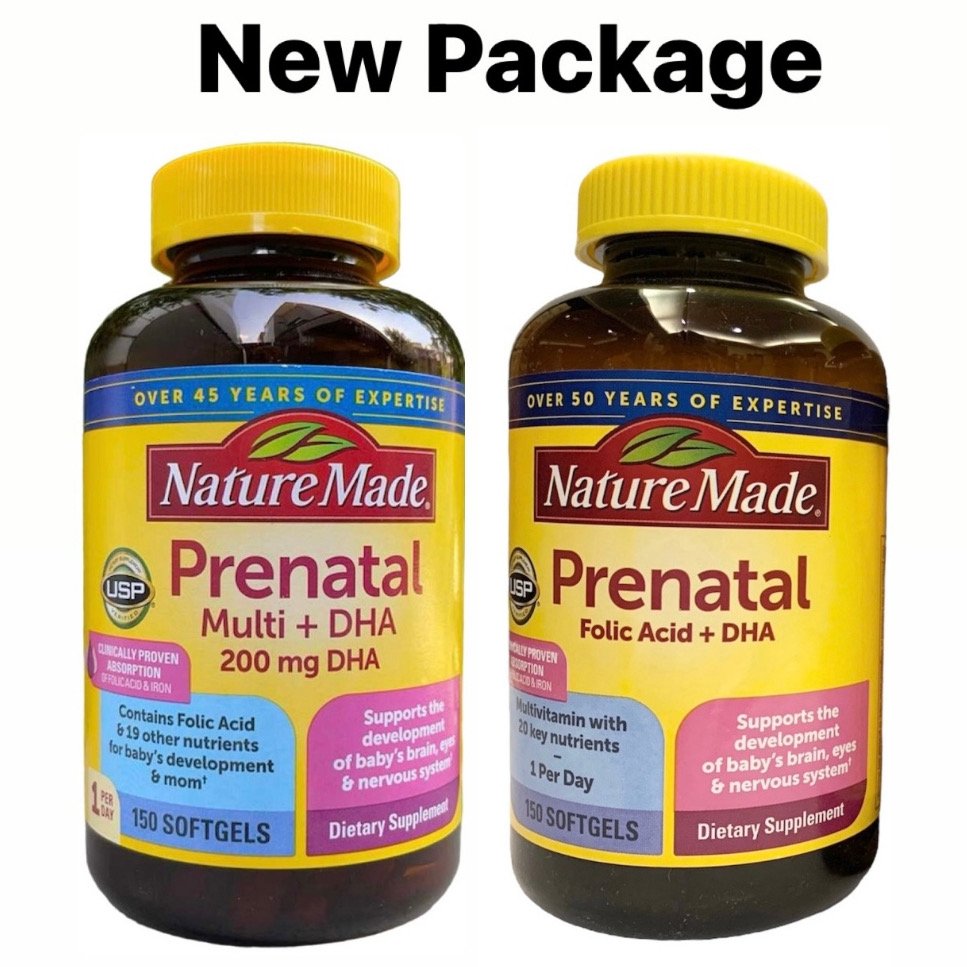
For most users who want one mainstream, easy-to-find formula with DHA included, Nature Made Prenatal Multi + DHA is the strongest default starting point. If you prioritize methylfolate and can handle a higher monthly cost, Thorne Basic Prenatal is a strong alternative.
If you are also comparing related wellness support categories, see our iron supplements guide and multivitamins for women comparison.
5 Key Factors That Matter Most
- Folate strategy. Many products use folic acid, while others use methylfolate; what matters most is consistent intake with good tolerance.
- Iron amount and comfort. Iron support matters, but GI side effects can reduce adherence if dose/form is a poor fit.
- DHA approach. Built-in DHA is convenient, while separate DHA can offer more flexibility.
- Choline coverage. Choline inclusion varies widely and can influence product choice.
- Format friction. Softgels, multi-capsule regimens, and gummies all have different adherence tradeoffs.
How We Built This Ranking
We did not run clinical testing. This ranking combines independent roundup analysis, manufacturer label review, user-review trend patterns, and practical ownership criteria.
The methodology emphasized day-to-day adherence and routine sustainability over marketing complexity. We specifically looked for recurring complaints around nausea, pill size, and regimen complexity, because those are common reasons users stop taking a product consistently.
Claims were treated conservatively. This page avoids guaranteed health outcomes and focuses on practical shopping decisions you can discuss with a clinician.
Prenatal With DHA vs Separate DHA: Which Is Better?
There is no universal winner. The better option is the one you can maintain with fewer side effects and less daily friction.
Built-in DHA may fit better when:
- You want one-product convenience.
- You are likely to forget separate add-ons.
- You tolerate fish-oil or algal DHA well in combined formulas.
Separate DHA may fit better when:
- You found a prenatal that works well but lacks DHA.
- You want to adjust source or dose independently.
- You dislike fishy aftertaste from combo formulas.
Buying Guide: How to Pick the Right Prenatal
1) Start with tolerance, not ideology
Many shoppers overfocus on ingredient form language and underfocus on daily tolerance. If a formula causes nausea, constipation, or swallowing friction, adherence drops fast.
The best prenatal for most users is the one they can take consistently over time.
2) Match iron strategy to your real experience
Iron is often essential in prenatal planning, but tolerance varies. If GI symptoms are a recurring issue, review timing, food pairing, and product form with your clinician.
Before switching products, check:
- Elemental iron amount
- Form and serving structure
- Whether gummies omit iron
- Whether a separate iron plan is needed
3) Choose a format you will not skip
Large softgels and multi-capsule schedules are common reasons people miss doses. A slightly less ideal label that you can take daily is often better than a technically perfect product you avoid.
If nausea is the limiting factor, simplify first and then optimize nutrient details with clinician guidance.
Why Each Product Ranked Where It Did
1) Nature Made Prenatal Multi + DHA (Best Overall)
Nature Made ranks first because it covers core prenatal priorities in one mainstream formula with broad availability and familiar pricing. It is the best balance of completeness and practicality for many shoppers. The tradeoff is pill size and tolerance for some users.
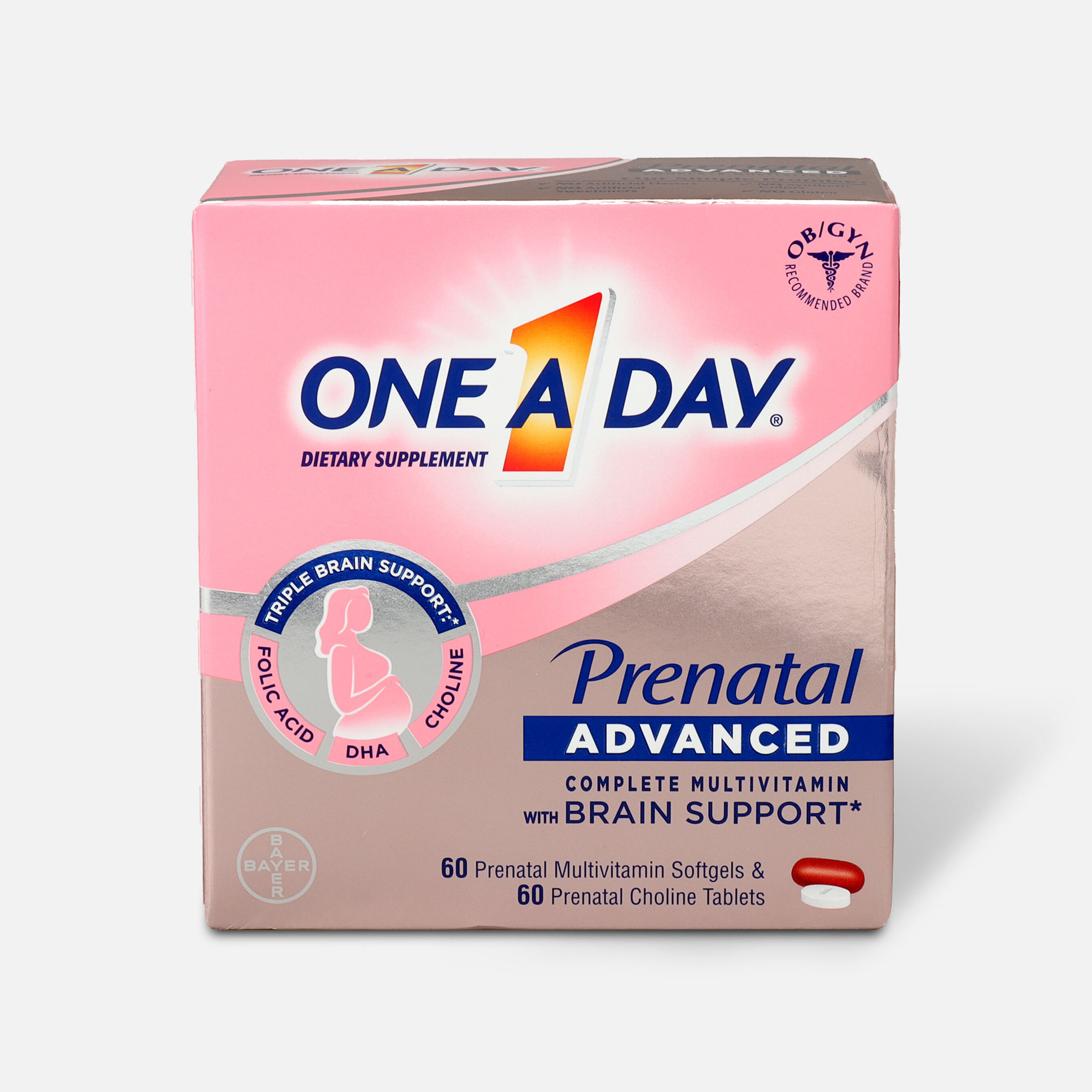
2) One A Day Prenatal Advanced (Best for Choline Support)
This product ranks second for users who prioritize broader nutrient strategy with choline included. It is a strong option when label breadth is your main priority. The downside is a more complex routine and higher ongoing cost.
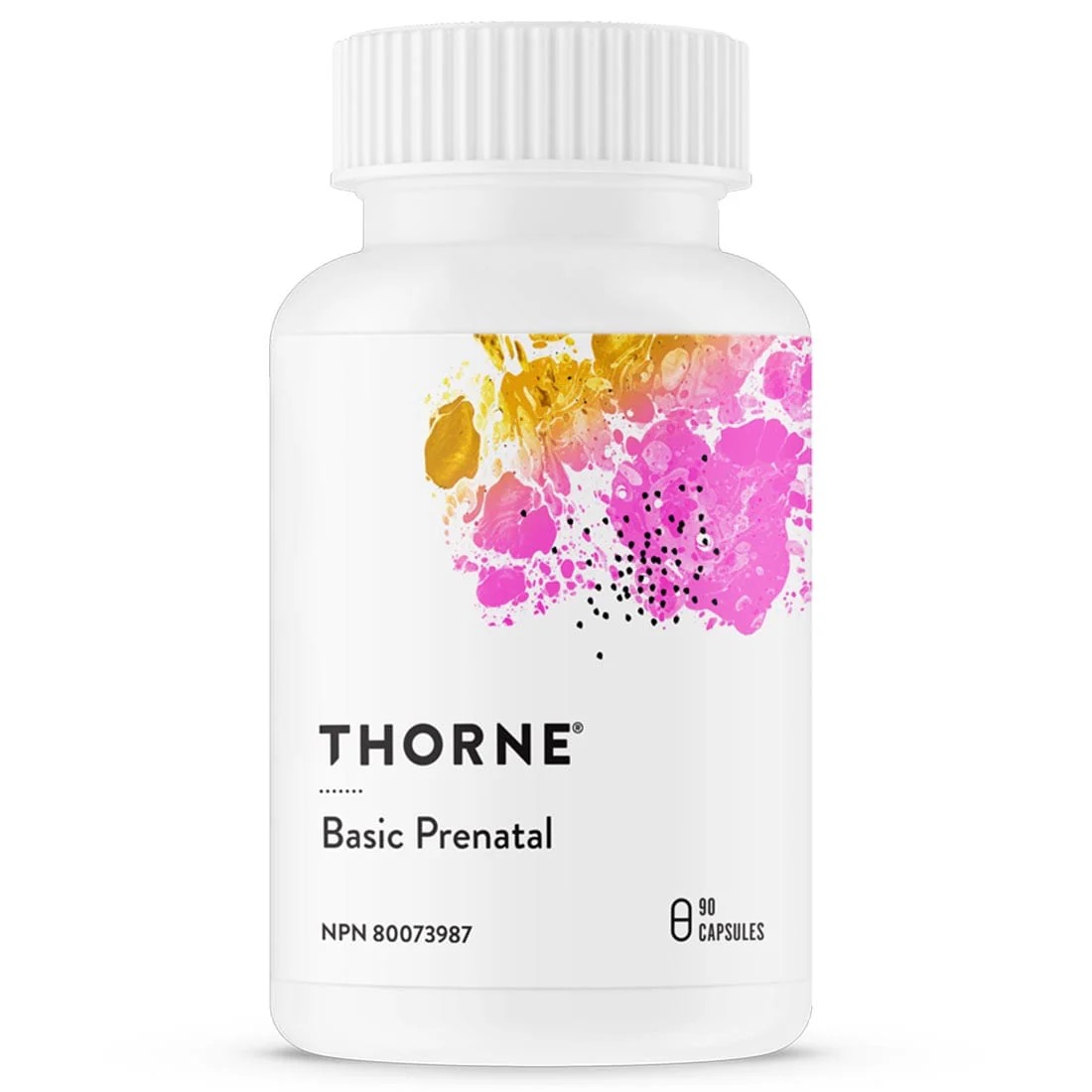
3) Thorne Basic Prenatal (Best Methylfolate Formula)
Thorne earns this slot for shoppers specifically seeking methylfolate-focused formulas with premium-leaning ingredient positioning. It is a strong niche fit. Cost and serving burden are the main downsides.
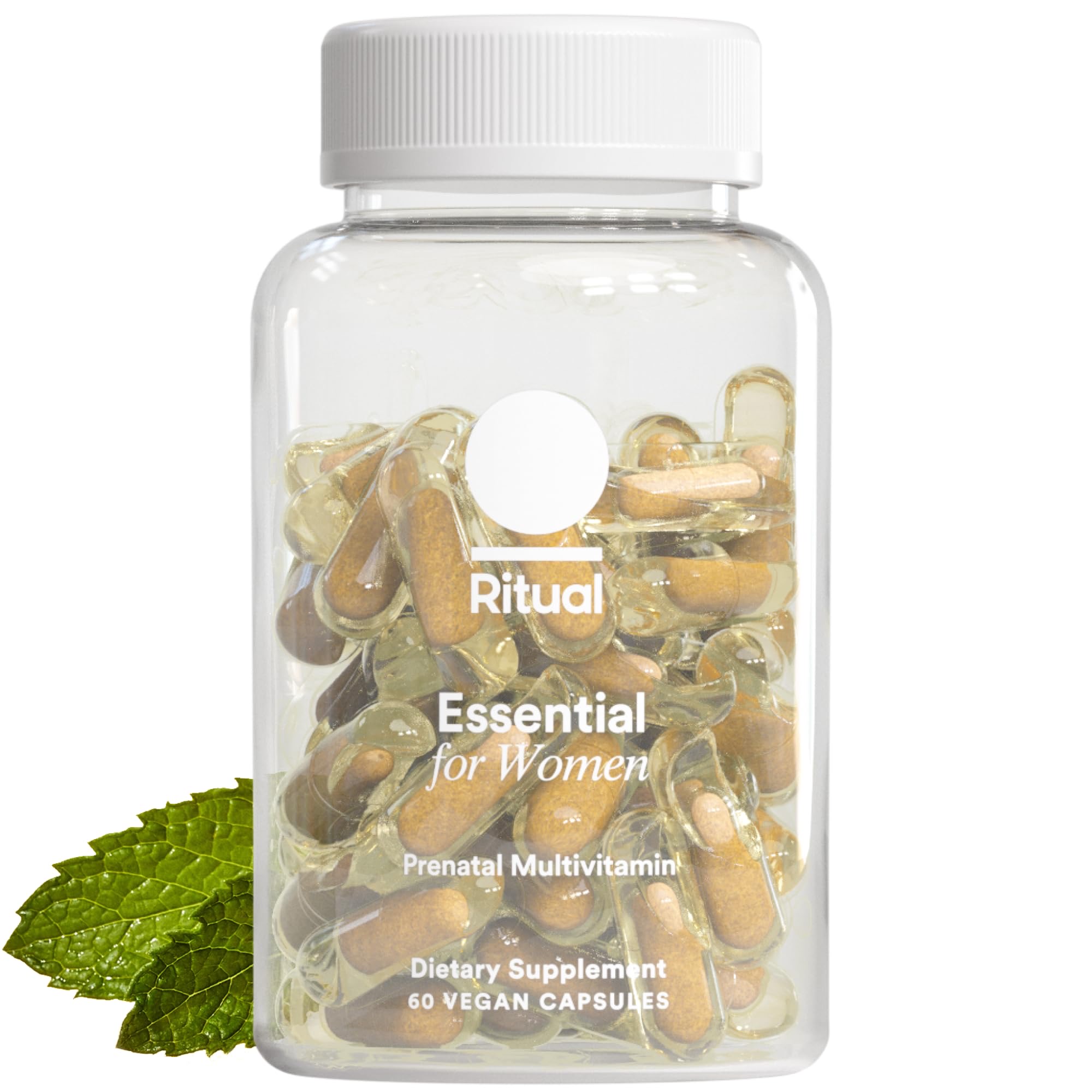
4) Ritual Essential Prenatal (Best Gentle-Iron + DHA Pairing)
Ritual ranks here for users who want methylfolate plus algal DHA in a cleaner, lower-friction capsule format. It works well for certain tolerance profiles. It may feel expensive relative to broader mainstream multis.
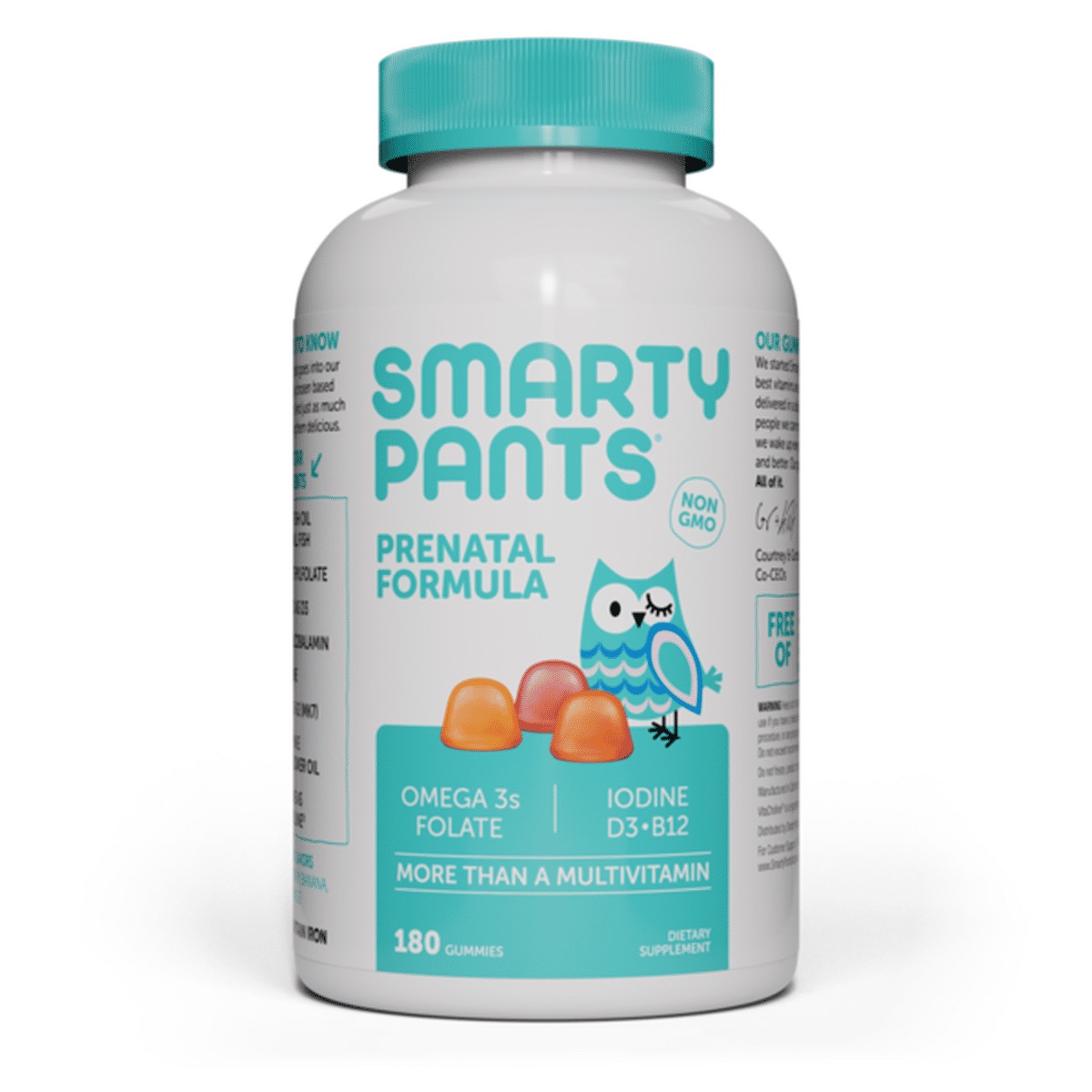
5) SmartyPants Prenatal Formula Gummies (Best Gummy for Nausea-Sensitive Users)
SmartyPants is the practical gummy pick for users who cannot manage larger pills. It can improve adherence in nausea-sensitive routines. The core tradeoff is that many gummy prenatal options do not include iron.
Frequently Asked Questions
Is methylfolate always better than folic acid in a prenatal?
Not automatically. Both appear in real-world prenatal products. For many users, consistent daily intake and tolerance matter more than marketing language.
What if my prenatal makes me nauseous?
Discuss adjustments with your clinician, including timing changes, food pairing, or switching format. Do not abandon supplementation without a replacement plan.
Are gummy prenatals okay if I cannot swallow pills?
They can be a useful adherence option. The key check is iron coverage, since many gummy products omit it.
Should I choose a prenatal with DHA included?
Included DHA reduces routine complexity for many users. Separate DHA can still be a good option if you need flexibility or better tolerance.
How often should I reassess my prenatal choice?
Reassess when side effects change, routine changes, or clinician guidance changes. A formula that worked early may not be the best fit later.
Label Red Flags to Watch Before You Buy
Two prenatal labels can look similar while practical coverage differs a lot. Always confirm whether iron is included, how DHA is handled, and whether serving size assumptions match your actual routine.
Watch for these common mistakes:
- Buying gummies without noticing iron omission.
- Comparing one-capsule and multi-capsule products without adjusting cost per day.
- Assuming all versions in a product line share the same folate form.
- Ignoring aftertaste or pill-size feedback that may hurt adherence.
If you are choosing between two close options, pick the one with fewer adherence risks for your routine. Consistency is usually the deciding factor.
Questions to Bring to Your Clinician
If you are unsure between two prenatal options, a short, specific question list can make appointments much more productive. Ask about iron strategy, DHA approach, and whether your current symptoms suggest a format change.
Useful questions include:
- Is this formula's iron amount appropriate for my current plan?
- Should DHA be in the same product or separate for my routine?
- If nausea is my main issue, what is the safest way to improve adherence?
These questions keep the discussion practical and reduce trial-and-error switching.
Clear questions also help avoid unnecessary product hopping. A stable, clinician-aligned plan is usually better than frequent formula changes based on short-term discomfort alone.
Last updated: February 26, 2026. Prices and availability subject to change.