Choosing the best concealer is mostly about picking the right coverage density for the right area of your face. Many people use one product for everything, then get creasing under the eyes or patchy buildup on blemishes because under-eye and spot-concealing needs are different.
The best routine usually uses lighter flexible coverage under eyes and stronger pigment for breakouts or dark spots. Application amount matters as much as formula choice.
For more beauty comparisons, see Beauty, browse all buying resources in our blog, and review editorial transparency on Brand Facts.
Best Concealer Quick Answer
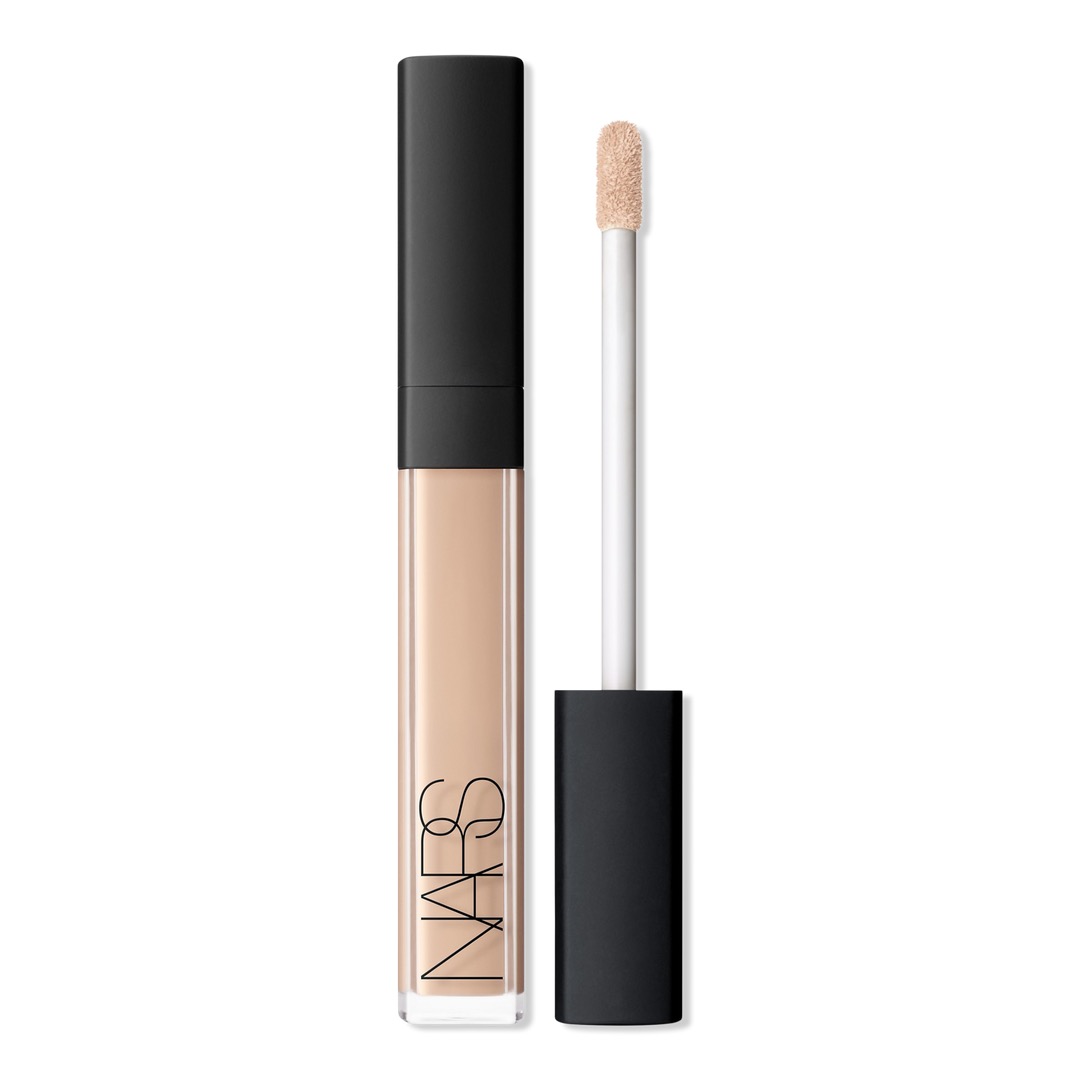
For most shoppers, NARS Radiant Creamy Concealer is the strongest all-around pick for under-eye and spot use in one formula. If you need maximum correction for dark circles or hyperpigmentation, Tarte Shape Tape is often the better full-coverage option.
For full base matching, pair with best foundations. If your top concern is under-eye dryness and texture, add prep support from best eye creams.
5 Key Factors That Matter Most
- Coverage strength - Full-coverage formulas hide discoloration better but can crease more under eyes.
- Finish and flexibility - Satin/radiant finishes often look smoother on fine lines than very dry matte textures.
- Placement use case - Under-eye brightening and blemish spot correction usually need different densities.
- Shade and undertone fit - Under-eye brightening is typically 0.5-1 shade lighter, while blemish coverage often matches foundation exactly.
- Setting strategy - Thin application plus light powder often outperforms heavy product with heavy setting.
How We Built This Ranking
We did not run instrumental coverage tests. This ranking combines independent roundup analysis, manufacturer specs, user-review trend patterns, and practical ownership criteria like creasing behavior, blend speed, oxidation tendency, and price-to-use value.
Products scored higher when they performed consistently across common concerns: dark circles, redness, and post-acne marks. We also considered shade range inclusivity and whether formulas stayed workable in both drugstore and prestige categories.
Ratings reflect typical at-home makeup use with standard prep, not professional backstage techniques.
Full-Coverage vs Light-Coverage Concealers: Which Is Better?
Full-coverage concealers are better when your priority is maximum correction of dark circles, blemishes, or discoloration. Light-coverage concealers are better for natural looks and textured under-eye areas where heavy products crease.
Choose full coverage when:
- You need stronger pigment for stubborn discoloration
- You want event-ready longevity
- You can blend quickly in small amounts
Choose light coverage when:
- You prefer skin-like under-eye finish
- You have fine lines prone to product buildup
- You want quick daily makeup with lower risk of caking
Many users keep both and apply them to different zones.
Buying Guide: How to Choose the Right Concealer
1) Separate Under-Eye and Blemish Strategy
Under-eye skin is thinner and moves more, so lighter, more flexible formulas usually perform better there. Blemishes often need denser pigment and precise spot application. Using one ultra-thick concealer everywhere often creates texture issues.
Start with a small amount and add only where needed. Over-application is the main cause of creasing complaints.
2) Match Shades Intentionally
Use a concealer close to your foundation shade for blemishes so correction blends smoothly. For under-eye brightening, choose slightly lighter with the correct undertone. Going too light can create gray cast or reverse-raccoon effect in flash photos.
If your base product shifts during the day, reassess pairing with your best foundation before blaming concealer alone.
3) Prep and Set for Wear Time
A thin layer of eye moisturizer reduces dry cling and helps smoother blend. For oily areas, set lightly with finely milled powder to lock product without flattening skin texture.
If your under-eye concerns are chronic dryness or fine creasing, prep with one of the best eye creams and allow it to absorb before makeup.
Concealer Placement Strategy by Concern
Most concealer frustration comes from using one placement style for every concern. A better approach is mapping product placement to problem type.
For under-eyes, use smaller amounts near the inner corner and blend outward. Heavy full-triangle application can amplify creasing and texture on many skin types.
For blemishes, place product directly on the spot, let it sit briefly, then blend edges only. This keeps coverage where you need it and avoids wiping away pigment.
For redness around nose or mouth, use thin layers and avoid over-powdering. These movement zones can crack when product load is too high.
If you wear minimal base makeup, choose closer shade matching and softer finish. If you wear fuller foundation, you can use slightly brighter under-eye correction as long as undertone stays consistent.
This concern-based placement method usually improves results faster than constantly buying new concealers.
Shade Testing That Prevents Mismatch
Test concealer shades in natural light and check them after 5-10 minutes of wear. Some formulas oxidize or shift slightly once they set.
For under-eyes, prioritize undertone correction before brightness. For blemishes, match surrounding skin as closely as possible to avoid visible spots in daylight.
If you use multiple foundations seasonally, keep at least two concealer shades available. This simple adjustment usually prevents the common "one shade all year" mismatch problem.
It also reduces wasted purchases from repeatedly testing close-but-wrong shade matches.
Frequently Asked Questions
Should concealer match foundation exactly?
For blemishes, close shade matching usually looks best. For under-eyes, slightly lighter can work when undertone is still correct.
How do I reduce under-eye creasing?
Use less product, blend thin layers, and set lightly only where needed. Heavy layers crease faster.
Is full-coverage concealer better for everyone?
Not always. Full coverage is helpful for spots, but under-eye areas often look better with flexible medium coverage.
Can I wear concealer without foundation?
Yes. Spot concealing with light setting powder is a common everyday routine.
What causes concealer to look gray under eyes?
Usually undertone mismatch or too-light shade selection. Color correction and better shade match fix this more than adding extra product.
Who Each Pick Is Best For
1) NARS Radiant Creamy Concealer (Best Overall)
Best for balanced everyday use across under-eye brightening and spot correction.
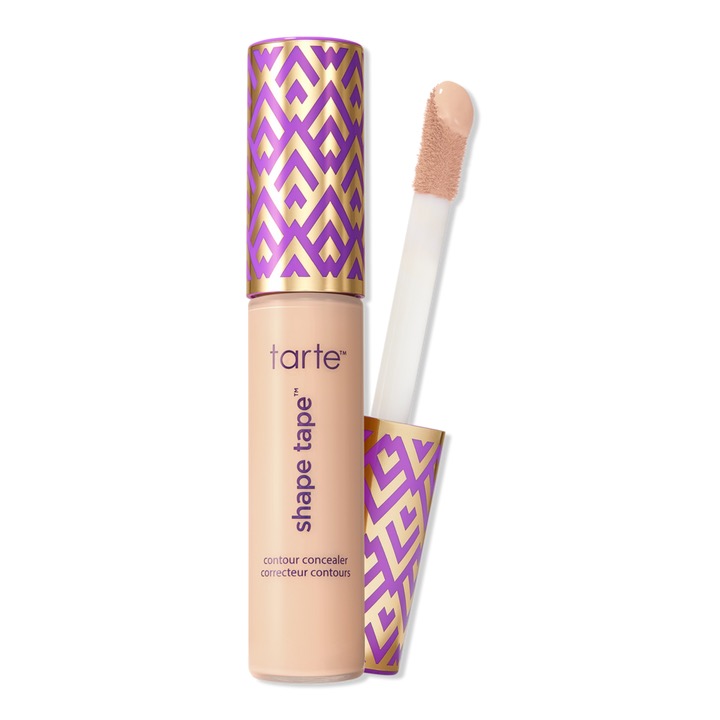
2) Tarte Shape Tape Concealer (Best Full Coverage)
Best for high-coverage routines where blemish masking and strong payoff are top priorities.
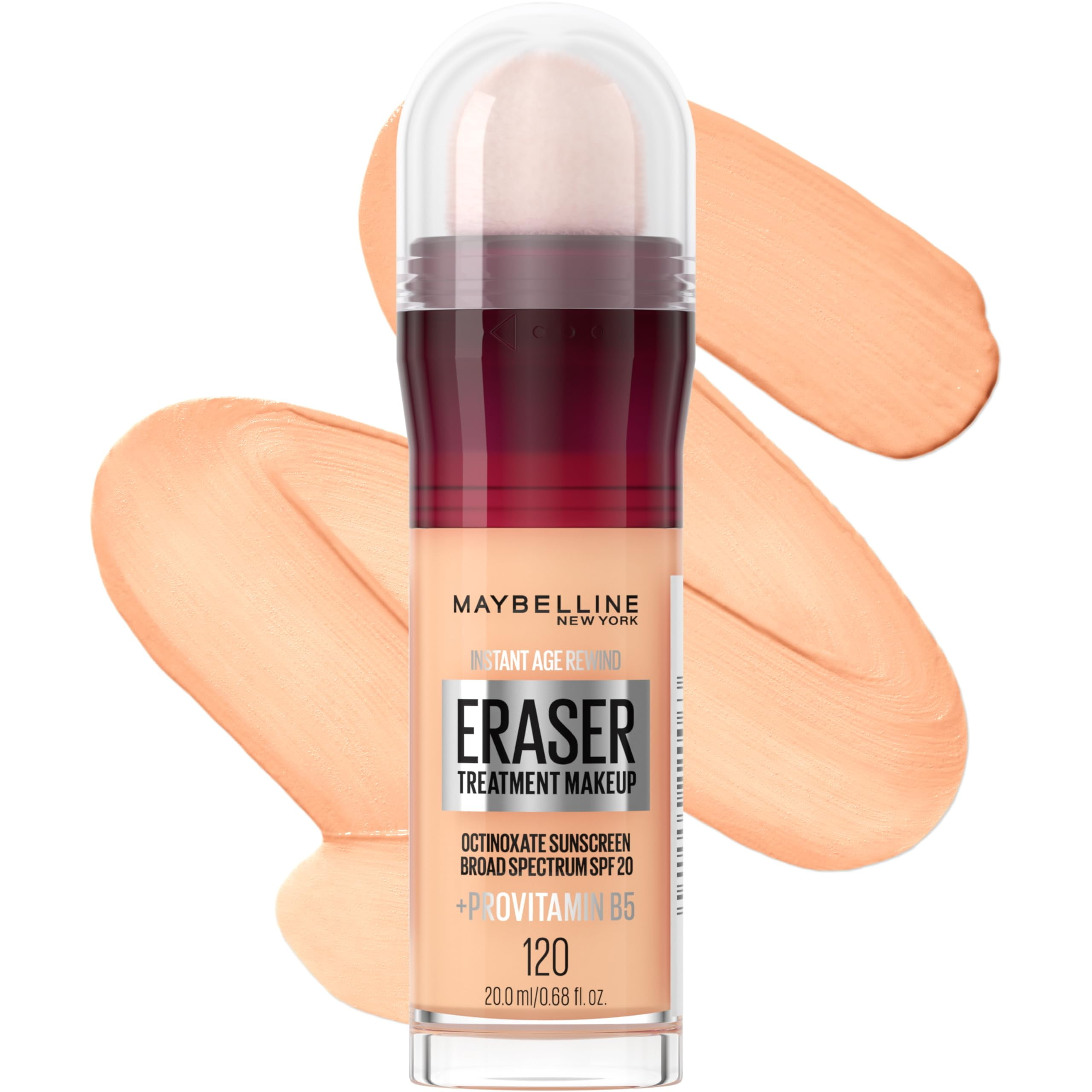
3) Maybelline Instant Age Rewind Eraser Concealer (Best Drugstore Value)
Best for budget users who want quick, reliable under-eye correction.
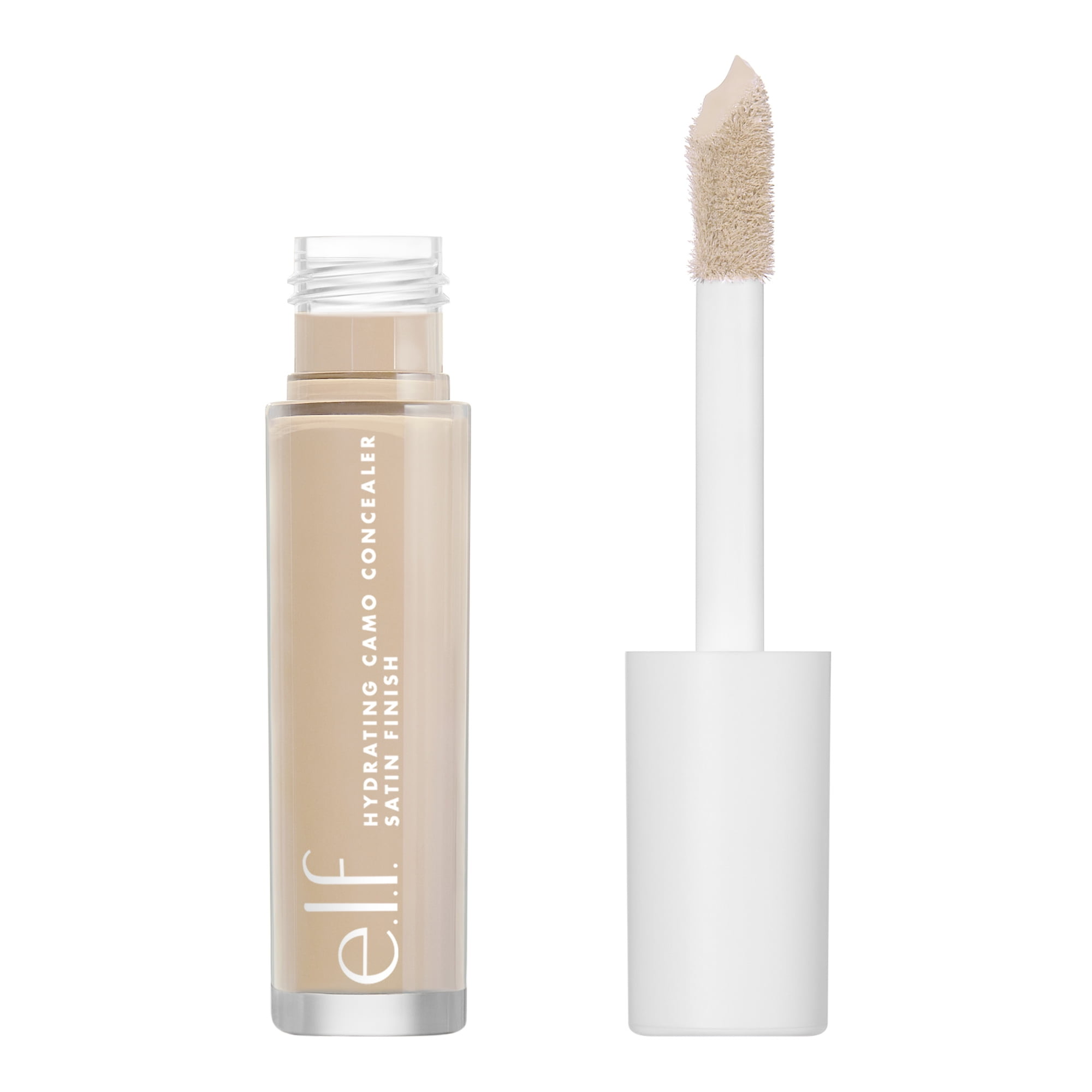
4) e.l.f. Hydrating Camo Concealer (Best Budget Full-Coverage Pick)
Best for low-cost full-coverage needs with stronger spot-correcting power.
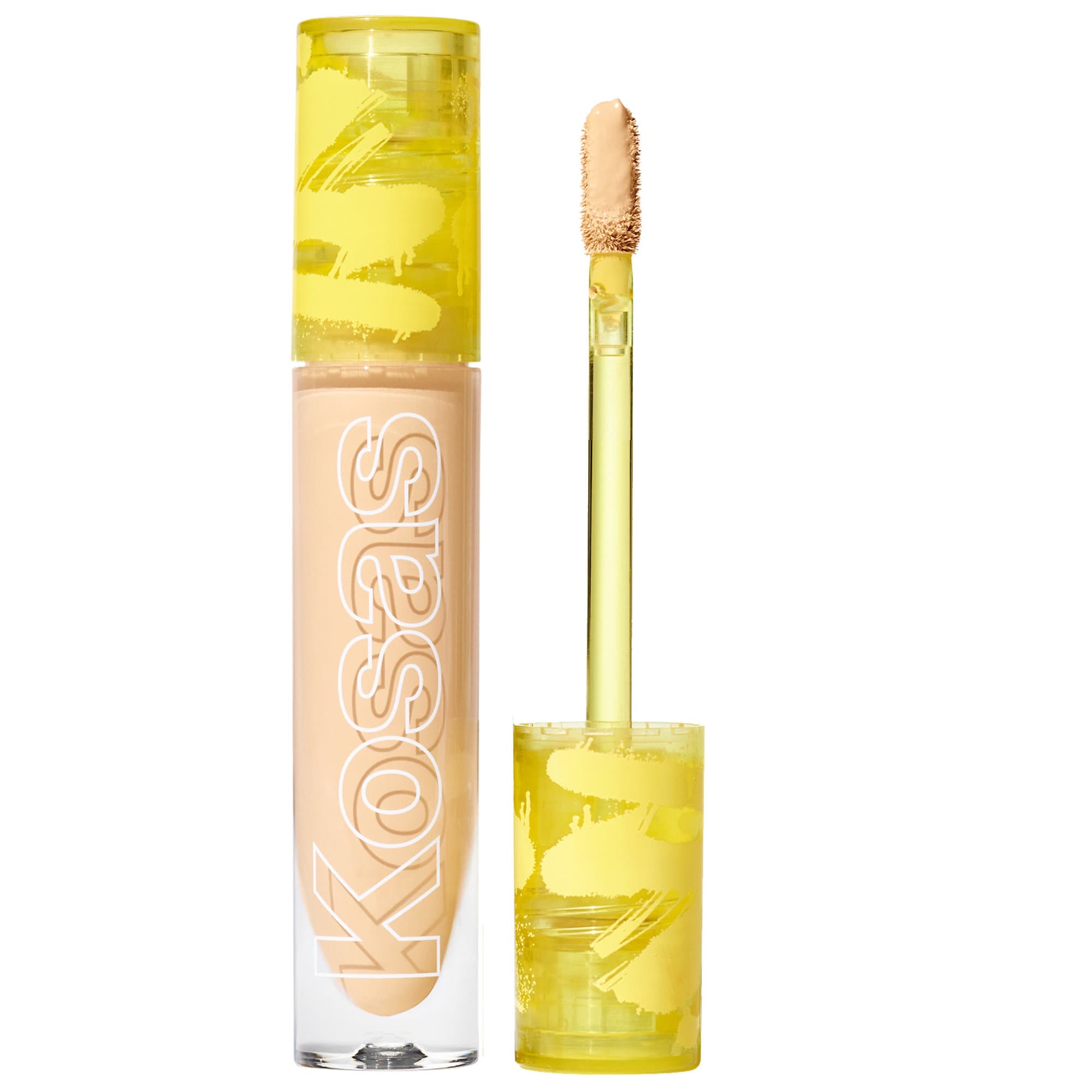
5) Kosas Revealer Concealer (Best Light-Medium Coverage)
Best for natural-finish users who prioritize skin-like texture over maximum opacity.
Common Buying Mistakes for Concealer
- Choosing one shade for all uses. Under-eye and blemish correction often need different shade behavior.
- Applying too much product at once. Thin buildable layers look smoother.
- Skipping prep on dry under-eyes. Moisture prep strongly affects finish quality.
- Setting too heavily with powder. Over-setting can increase texture and lines.
- Blaming product when undertone is wrong. Shade family is often the real issue.
Fast Concealer Application Order
- Prep skin and let moisturizer absorb.
- Spot-correct blemishes first, then under-eyes.
- Blend in thin layers.
- Set only where needed.
For long wear, use minimal powder only on crease-prone zones and keep the under-eye edge softly blended into foundation. Most cakey results come from over-setting and hard edges, not from concealer coverage itself.
Last updated: March 1, 2026. Prices and availability subject to change.