If you are searching for the best sunscreen for face use, you are probably trying to solve two problems at once: reliable UV protection and a finish you can tolerate every day. That second part matters because even technically strong sunscreen fails if it pills under makeup, leaves a cast you dislike, or stings your eyes by noon.
Most people do better with a formula they can reapply consistently than with a theoretically perfect product they avoid. Texture, filter type, and skin-tone match are practical details, not cosmetic extras.
For more beauty comparisons, see Beauty, browse all buying resources in our blog, and review editorial transparency on Brand Facts.
Best Sunscreen for Face Quick Answer
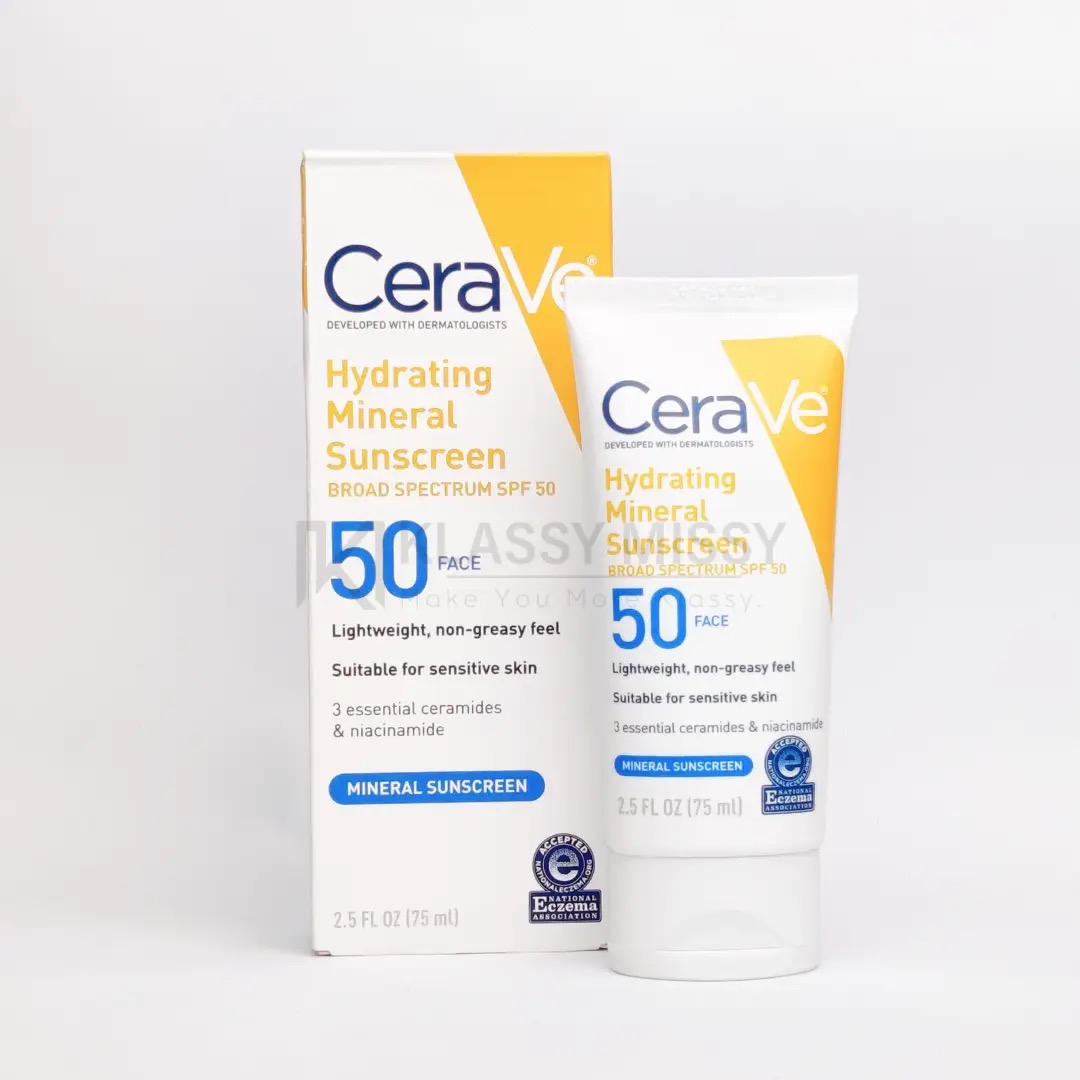
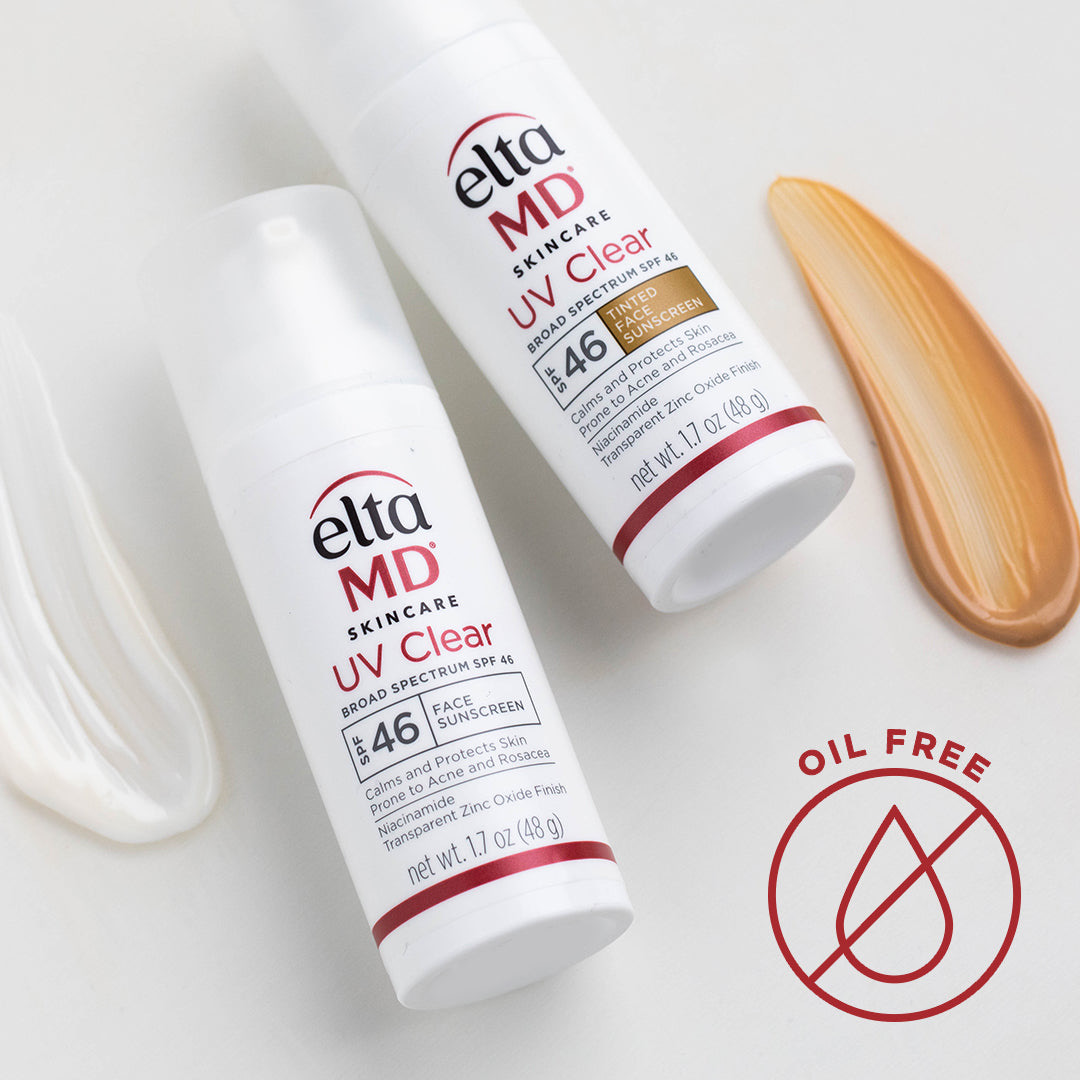
For most users, EltaMD UV Clear SPF 46 is the safest all-around starting point because it balances protection, wearability, and sensitive-skin compatibility. If you prefer a fully mineral approach, CeraVe Hydrating Mineral SPF 50 is usually the better first try.
If you want tint + coverage in one step, compare these picks with best tinted moisturizer options. For daytime antioxidant layering, pair SPF with a product from best vitamin c serums.
5 Key Factors That Matter Most
- SPF level and broad-spectrum coverage - Daily facial sunscreen should protect against both UVB and UVA exposure, not just sunburn.
- Chemical vs mineral filters - Chemical formulas usually feel lighter, while mineral formulas are often preferred for reactive skin.
- White cast risk - Zinc-heavy formulas can leave visible cast, especially on medium-to-deep skin tones.
- Under-makeup behavior - Pilling or greasy finish lowers adherence in real routines.
- Water resistance and reapplication fit - Outdoor users need clear reapply strategy and sweat-resistant options.
How We Built This Ranking
We did not perform laboratory SPF verification. This ranking combines independent roundup analysis, manufacturer specification review, user-review trend patterns, and practical ownership criteria such as finish quality, eye comfort, reapplication ease, and cost per month.
Products scored higher when protection level, ingredient transparency, and daily wearability aligned well. We also considered common reasons people stop using sunscreens, including white cast concerns, greasy texture, and makeup incompatibility.
Where relevant, we reviewed filter profiles and reef-safety preferences. Terms like "reef-safe" are used inconsistently across brands, so ingredient lists and local regulations still matter more than front-label claims.
Chemical vs Mineral Face Sunscreens: Which Is Better?
Chemical sunscreens are usually better if your priority is lightweight feel, minimal cast, and easy layering under makeup. Mineral sunscreens are usually better if your skin is reactive and you want zinc/titanium filters with simpler active profiles.
Choose chemical formulas when:
- You want transparent finish on deeper skin tones
- You reapply over makeup or during workdays
- You prioritize cosmetic elegance
Choose mineral formulas when:
- You prefer zinc oxide or titanium dioxide actives
- Your skin reacts to some chemical filters
- You can tolerate a thicker texture
Many users keep both: a lightweight chemical for weekday wear and mineral for sensitive-skin days.
Buying Guide: How to Choose the Right Face Sunscreen
1) Prioritize Daily Wearability Over Theoretical Perfection
A sunscreen only protects if you apply enough and reapply when needed. If a product feels greasy, pills, or leaves visible cast on your skin tone, you will likely underuse it. Test finish in natural daylight before committing to multi-pack purchases.
For office days, many people prefer lighter SPF 40-50 formulas that sit well under makeup. For prolonged outdoor exposure, higher SPF plus water resistance gives a better margin.
2) Match Filter Type to Skin Reactivity and Tone
Chemical blends often feel thinner and less visible, but some users report eye sting or sensitivity. Mineral filters can be gentler for reactive skin, though cast and thickness are common tradeoffs.
If cast is your main issue, consider tinted formulas or hybrid options. Many routines pair traditional sunscreen with light complexion products from best tinted moisturizer picks for better tone match.
3) Build Reapplication Into Your Routine
Reapplication is where most routines break. Keep a travel-size sunscreen in your bag, and decide how you will reapply over makeup before you start the day. Powder and mist SPF products can help touch-ups but usually should not replace a full base layer.
For antioxidant support under sunscreen, a simple morning serum from best vitamin c serums can fit well if your skin tolerates it. Keep the routine simple enough that you can repeat it daily.
Frequently Asked Questions
How much face sunscreen should I apply?
A practical target is about two finger lengths for face and neck together, adjusted for hand size and texture. If your formula is very fluid, you may need a bit more to reach labeled protection.
Do I need SPF 50 every day?
SPF 30+ broad-spectrum can be enough for many low-exposure days when applied correctly. SPF 50+ gives a larger safety margin if you under-apply or spend more time outdoors.
Is mineral sunscreen always better for sensitive skin?
Not always, but many reactive users tolerate mineral filters better. The downside is potential white cast and thicker texture. If comfort is low, a gentler chemical or hybrid option you actually wear daily can still be the better real-world choice.
Why does sunscreen sting my eyes?
Common reasons are migration from sweat/oil and sensitivity to certain filters. Applying less close to the lash line, setting with powder around orbital bone, or switching to a different filter system can help.
Can I rely on makeup with SPF instead of sunscreen?
Usually no. Most people do not apply enough makeup to reach labeled SPF. Treat makeup SPF as bonus coverage, not your primary protection.
Best Pick by Skin Pattern
Acne-prone or redness-prone daily wear
EltaMD UV Clear Broad-Spectrum SPF 46 is usually the most balanced pick in this list for day-to-day comfort and layering.
Outdoor-heavy schedule with strong UV exposure
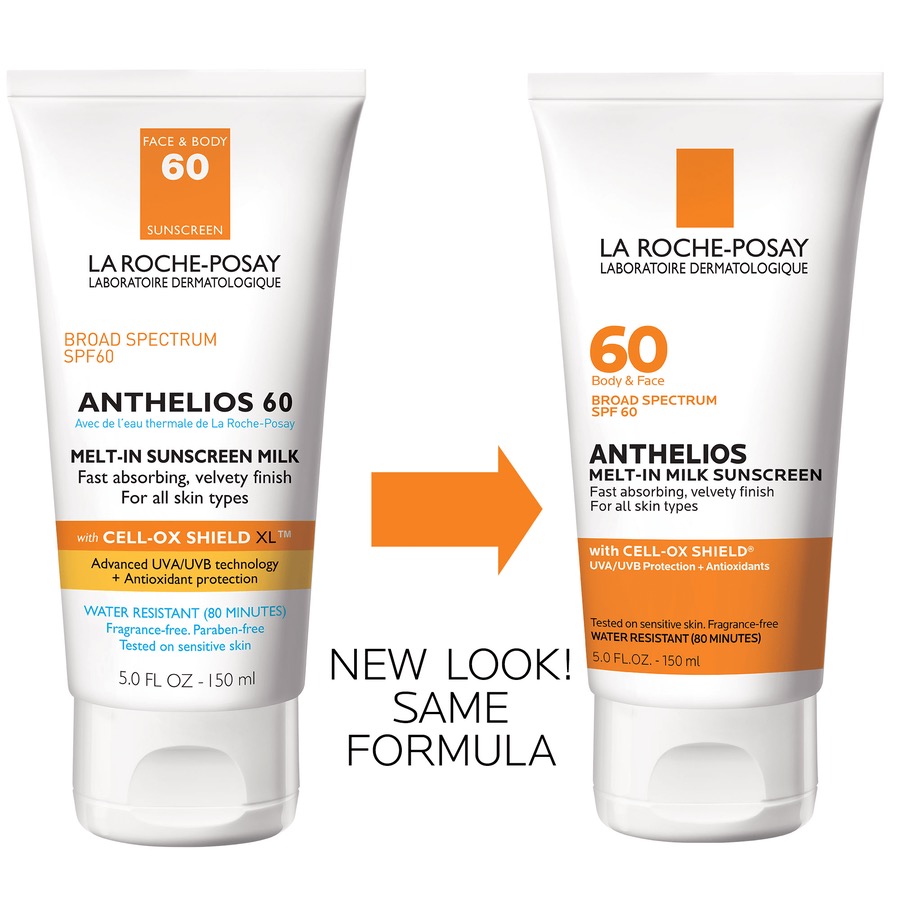
La Roche-Posay Anthelios Melt-In Milk Sunscreen SPF 60 gives a higher margin, especially for midday or weekend outdoor use.
Reactive skin that prefers mineral filters
CeraVe Hydrating Mineral Sunscreen Face Lotion SPF 50 is the clearest match when filter tolerance is your first priority.
Makeup-first routine needing minimal pilling
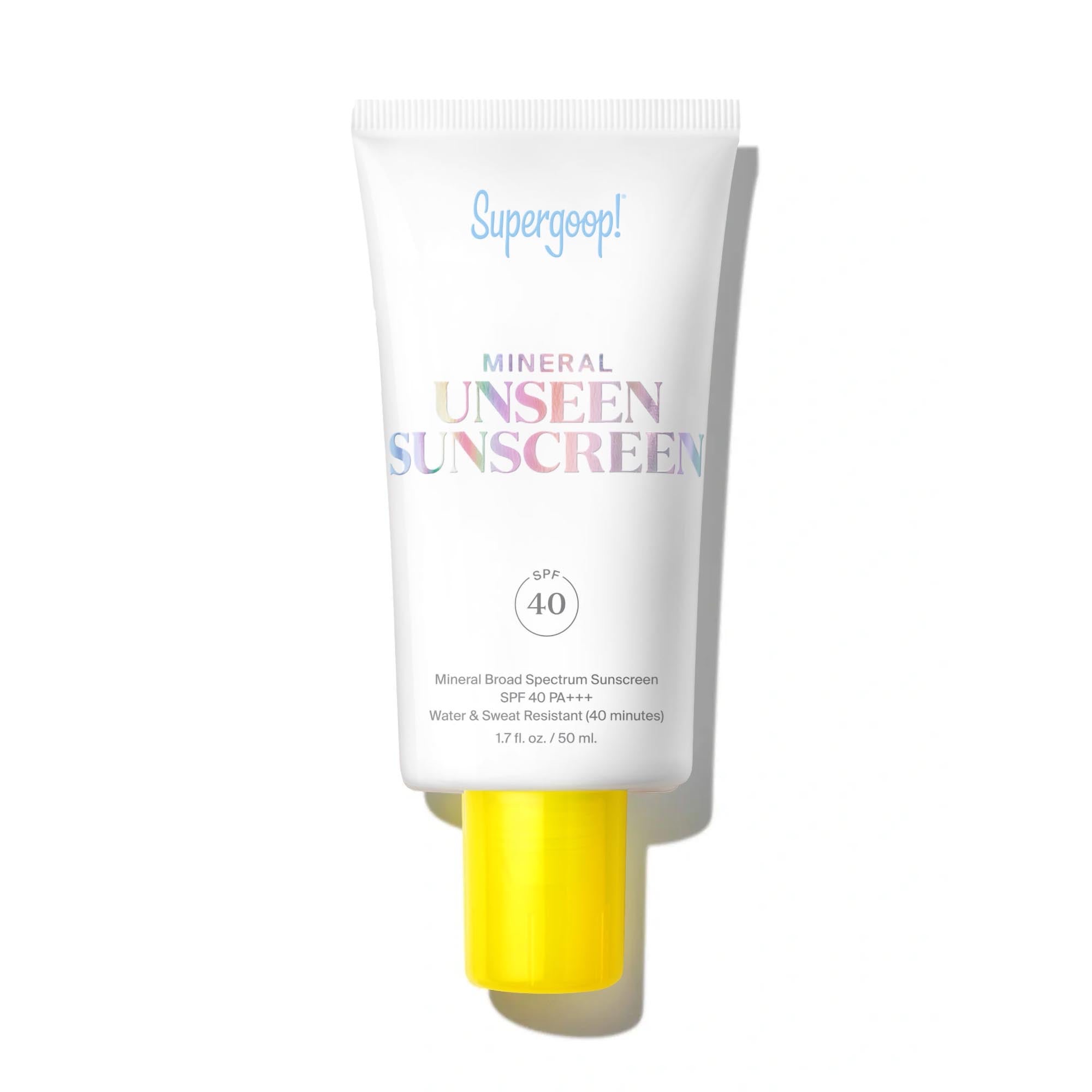
Supergoop Unseen Sunscreen SPF 40 is the easiest fit for users who care most about primer-like texture and invisible finish.
Lowest-cost repeat purchase
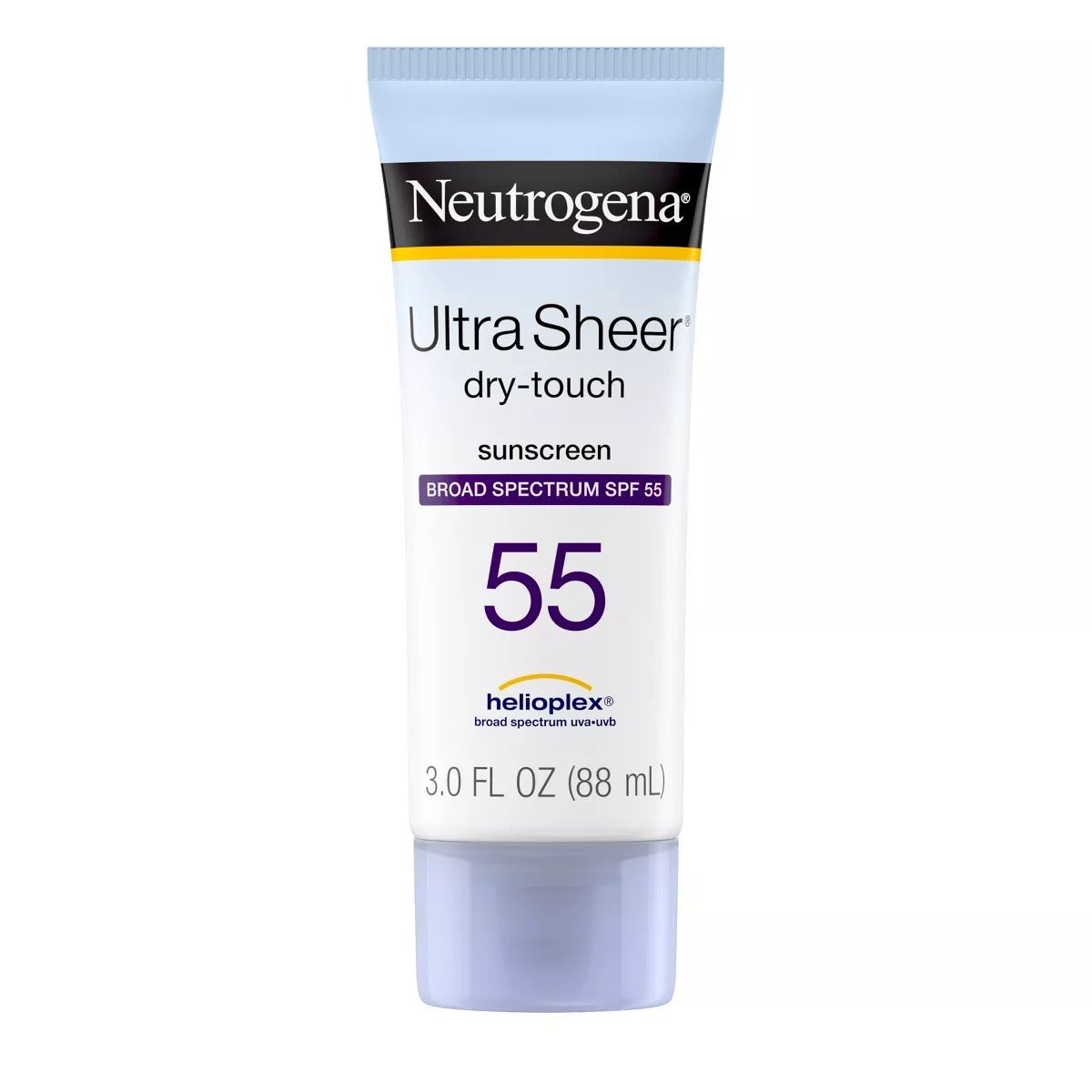
Neutrogena Ultra Sheer Dry-Touch Sunscreen SPF 55 remains the practical budget choice if you can tolerate the finish and eye area behavior.
Common Mistakes That Reduce Real Protection
- Applying too little product. Most SPF failures come from under-application, not from choosing the wrong brand.
- Ignoring neck, ears, and hairline. These areas are frequently missed and receive meaningful sun exposure.
- Skipping reapplication on long days. One morning layer is rarely enough for sustained outdoor time.
- Judging only by ingredient list. A theoretically perfect formula is useless if you dislike wearing it.
- Keeping old sunscreen too long. Heat exposure and expired products can reduce reliability.
Practical Decision Framework
- Choose texture first: pick the formula you can wear every morning without negotiation.
- Choose protection level second: at least broad-spectrum SPF 30, with SPF 50+ for higher exposure patterns.
- Choose backup strategy: keep one portable option for reapplication so your routine survives real-life schedules.
Last updated: March 1, 2026. Prices and availability subject to change.