Picking the best eye cream is easier when you separate your actual concern: dark-circle appearance, puffiness, fine lines, or all three. Many formulas are strong in one area and only average in another, so buying by influencer hype usually leads to disappointment.
The eye area is thin and more reactive than the rest of your face, which means tolerance and texture matter as much as active ingredients. A product you can use consistently, without stinging or milia buildup, usually wins over a stronger product you avoid.
For more beauty comparisons, see Beauty, browse all buying resources in our blog, and review editorial transparency on Brand Facts.
Best Eye Cream Quick Answer
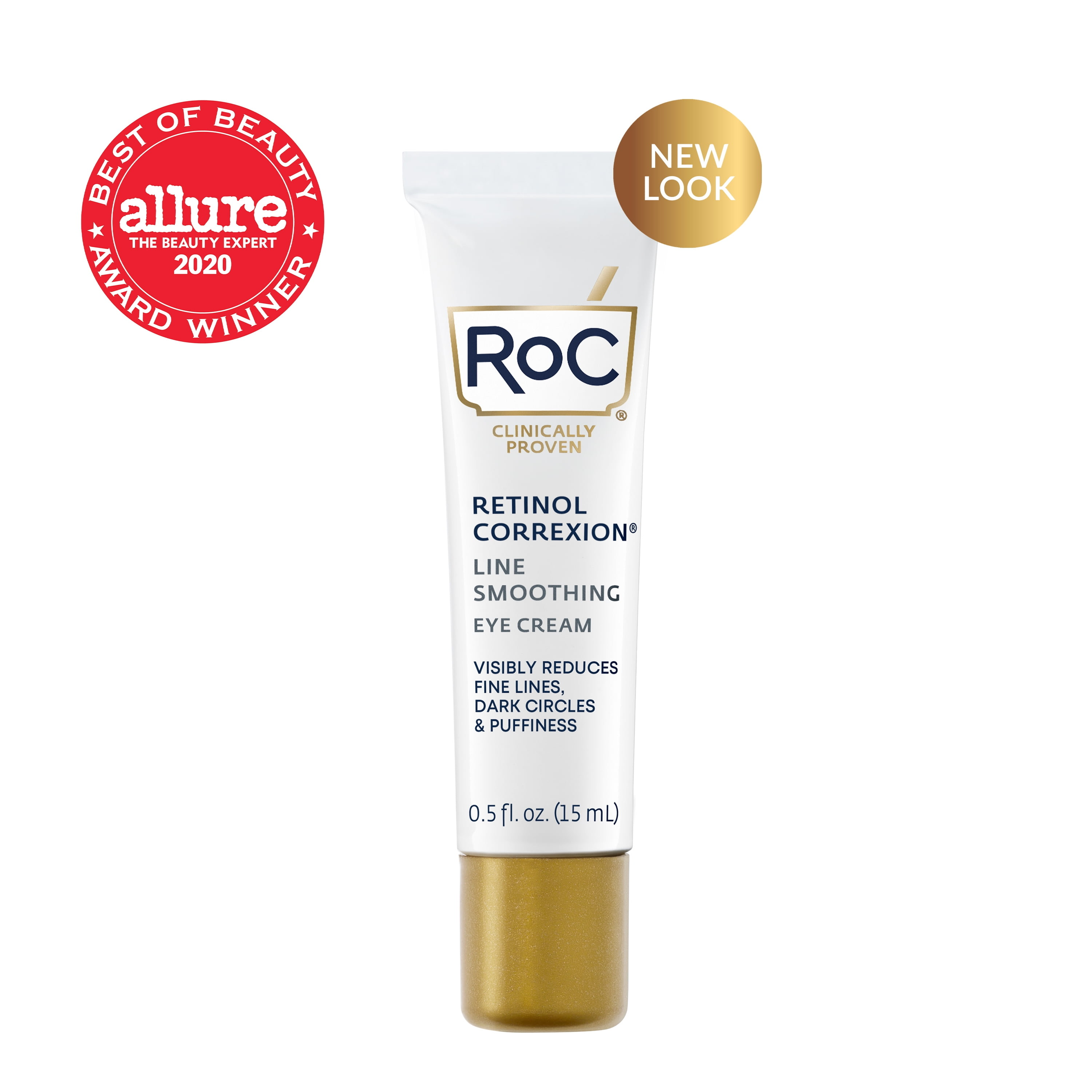
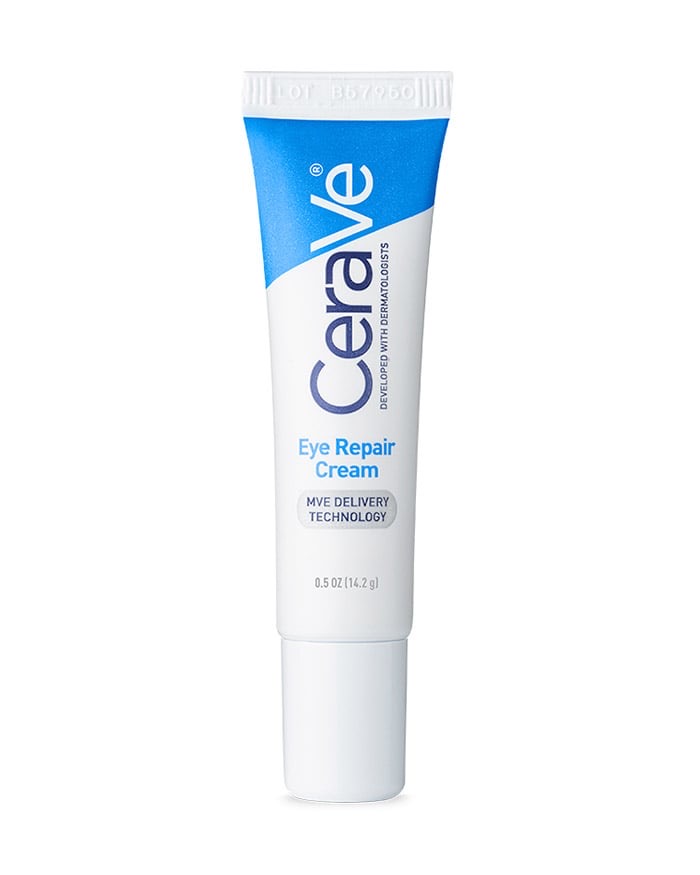
For most users, CeraVe Eye Repair Cream is the best default because it balances hydration, tolerance, and cost for long-term daily use. If fine lines are your top concern, RoC Retinol Correxion Eye Cream is usually the stronger targeted option.
If your routine already includes active serums, compare this page with best retinol serums and best hyaluronic acid serums to avoid over-layering irritants.
5 Key Factors That Matter Most
- Primary concern match - Puffiness, pigment-related dark circles, and fine lines respond to different ingredient profiles.
- Active strength vs tolerance - Retinol eye creams can help lines but often need slower frequency ramp-up.
- Hydration support - Ceramides, HA, and humectants improve comfort and reduce dry creasing.
- Texture under makeup - Heavier products can crease or pill with concealer.
- Packaging and hygiene - Pump or tube formats can be easier to keep sanitary than open jars.
How We Built This Ranking
We did not conduct clinical eye-area trials. This ranking combines independent product-roundup analysis, ingredient and label review, user-review trend patterns, and practical ownership factors like tolerance, texture compatibility, and repeat-purchase value.
We prioritized formulas with realistic outcomes and broad retail availability in the US. Products scored higher when they matched a clear concern category, were easy to use daily, and had fewer reports of irritation-related dropout.
Ratings are based on routine usability and consensus feedback, not guaranteed correction of dark circles or wrinkles, which can have genetic and structural causes.
Peptide-Based vs Retinol-Based Eye Creams: Which Is Better?
Peptide-based eye creams are usually better for sensitive users who want hydration and gradual firmness support with lower irritation risk. Retinol-based eye creams are often better for visible line-softening goals if your skin tolerates them.
Choose peptide-based formulas when:
- Your eye area is easily irritated
- You want daytime use under makeup
- You are focused on hydration and elasticity support
Choose retinol-based formulas when:
- Fine lines are your primary concern
- You can use night-only actives consistently
- You already tolerate retinoids elsewhere in your routine
Many shoppers do best with peptides in the morning and retinol eye care 2-4 nights per week.
Buying Guide: How to Choose the Right Eye Cream
1) Start With Your Main Concern, Not Trend Ingredients
If puffiness is your main issue, caffeine formulas are usually the most practical first step. If fine lines matter more, a retinol eye cream can be better, but only if you ramp up slowly. If your concern is dryness and concealer creasing, barrier-focused creams often outperform active-heavy formulas.
For dark circles, be realistic: pigment, blood-vessel visibility, and under-eye structure are different problems. No single eye cream solves all of them equally.
2) Use Minimal Product and Patch Test First
Eye skin needs less product than most people use. A rice-grain amount per eye is usually enough. Overapplication increases irritation and may cause milia, especially with richer formulas.
Patch test new eye creams for several days near, but not directly on, the lash line. With retinol-based options, start 2-3 nights weekly and increase only if no persistent dryness or stinging appears.
3) Keep the Rest of Your Routine Compatible
If you already use a retinol face serum, avoid stacking multiple strong retinoids around the eyes immediately. Use hydrating support first and increase intensity gradually.
For fuller routine planning, compare this page with best retinol serums and best hyaluronic acid serums. Good layering usually beats adding more products.
Eight-Week Eye-Area Tracking Method
Eye-area improvements are usually gradual, so quick daily impressions can be misleading. A structured tracking window gives clearer decisions.
Use one product for at least several weeks before switching, unless irritation appears. Take weekly photos in similar lighting and check for changes in hydration, puffiness pattern, and fine-line appearance rather than expecting dramatic one-week shifts.
If dryness or stinging occurs, reduce frequency before abandoning the formula. Many active-led products fail because usage ramps too quickly, not because the ingredient is inherently wrong.
For daytime wearers, evaluate how the product behaves under concealer. Some formulas look good at night but pill or crease under makeup if application amount is too high.
This slower, evidence-based approach prevents unnecessary product churn and usually improves long-term routine stability.
It also helps separate realistic gradual improvement from short-term fluctuation.
Frequently Asked Questions
Do eye creams actually work for puffiness and fine lines?
They can help, especially for hydration and temporary puffiness support, but results are usually incremental.
How much eye cream should I apply?
A small amount per eye is usually enough. Overapplication often increases irritation and texture issues.
Should I use retinol around eyes nightly?
Start slowly and increase only with good tolerance. Daily use too early is a common irritation trigger.
Do I need separate day and night eye products?
Not always, but some users prefer lighter daytime texture and richer or treatment-focused nighttime formula.
Can eye cream replace sunscreen and sleep habits?
No. UV protection and sleep quality still drive long-term under-eye appearance outcomes.
Who Each Pick Is Best For
1) CeraVe Eye Repair Cream (Best Overall)
Best for users needing reliable hydration and barrier support with minimal routine complexity.
2) RoC Retinol Correxion Eye Cream (Best for Fine Lines)
Best for users targeting fine-line smoothing and willing to manage gradual retinol adaptation.
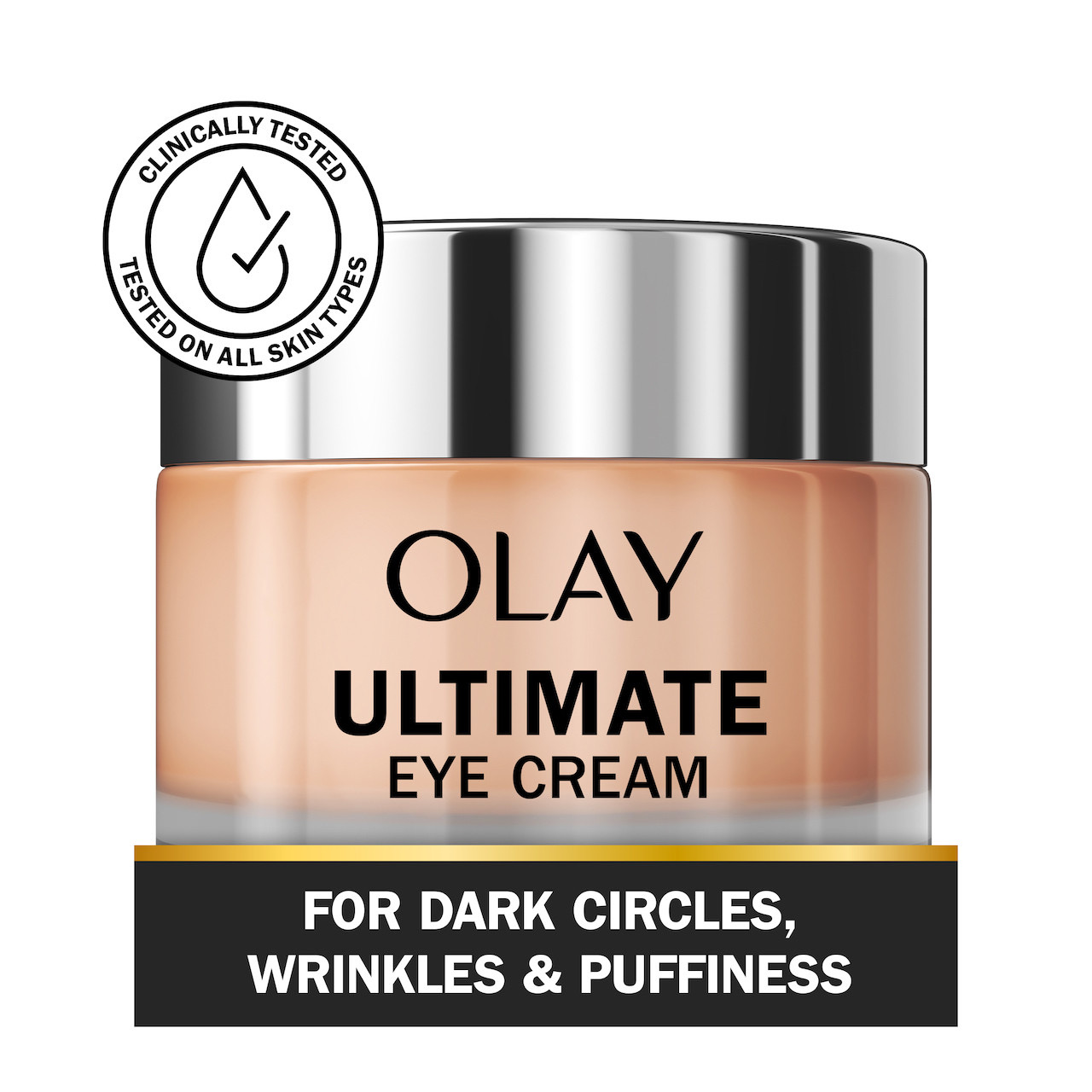
3) Olay Eyes Ultimate Eye Cream (Best for Dark Circle Appearance)
Best for daytime users who want immediate brightening plus ongoing treatment support.
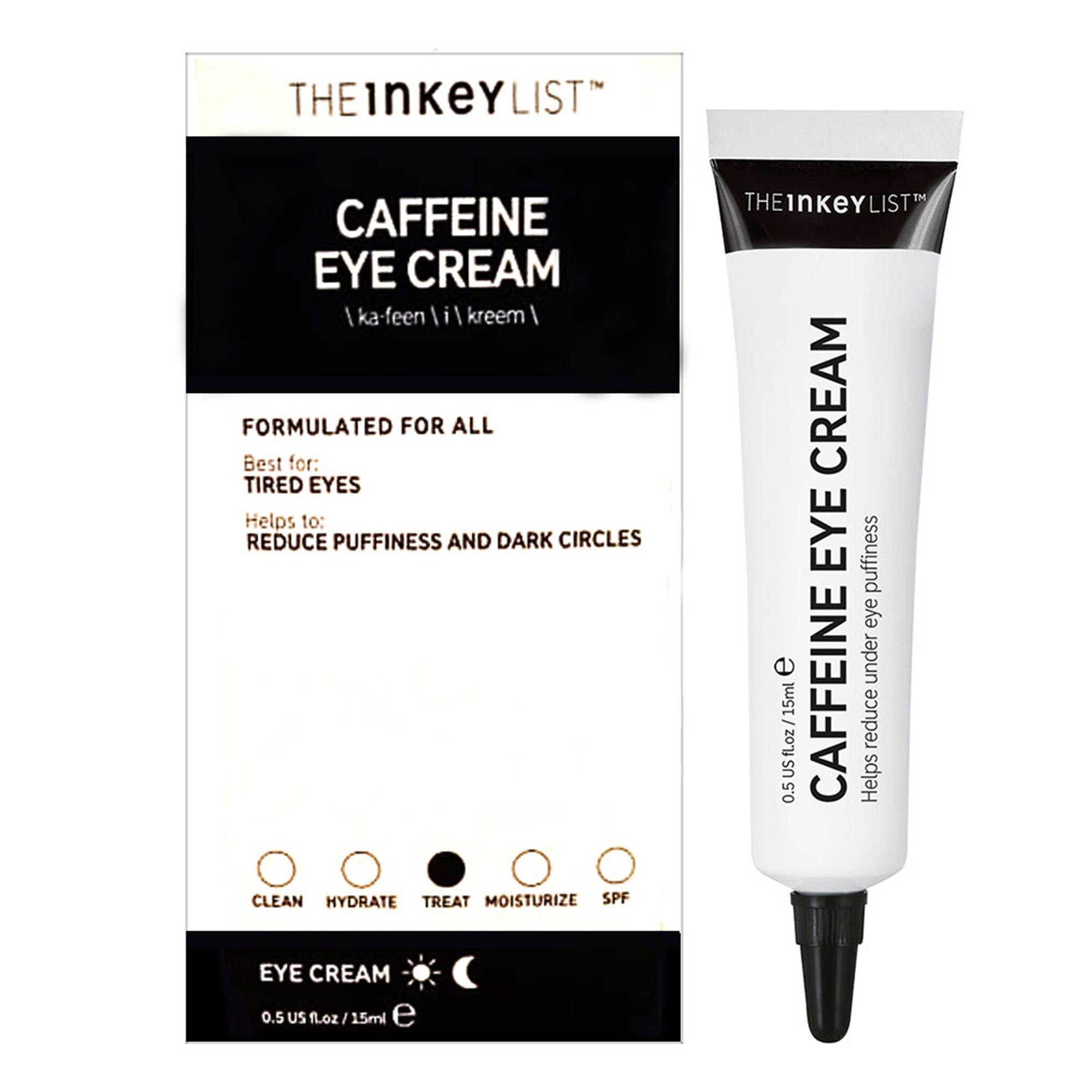
4) The INKEY List Caffeine Eye Cream (Best for Puffiness)
Best for morning puffiness-focused routines needing lightweight daily texture.
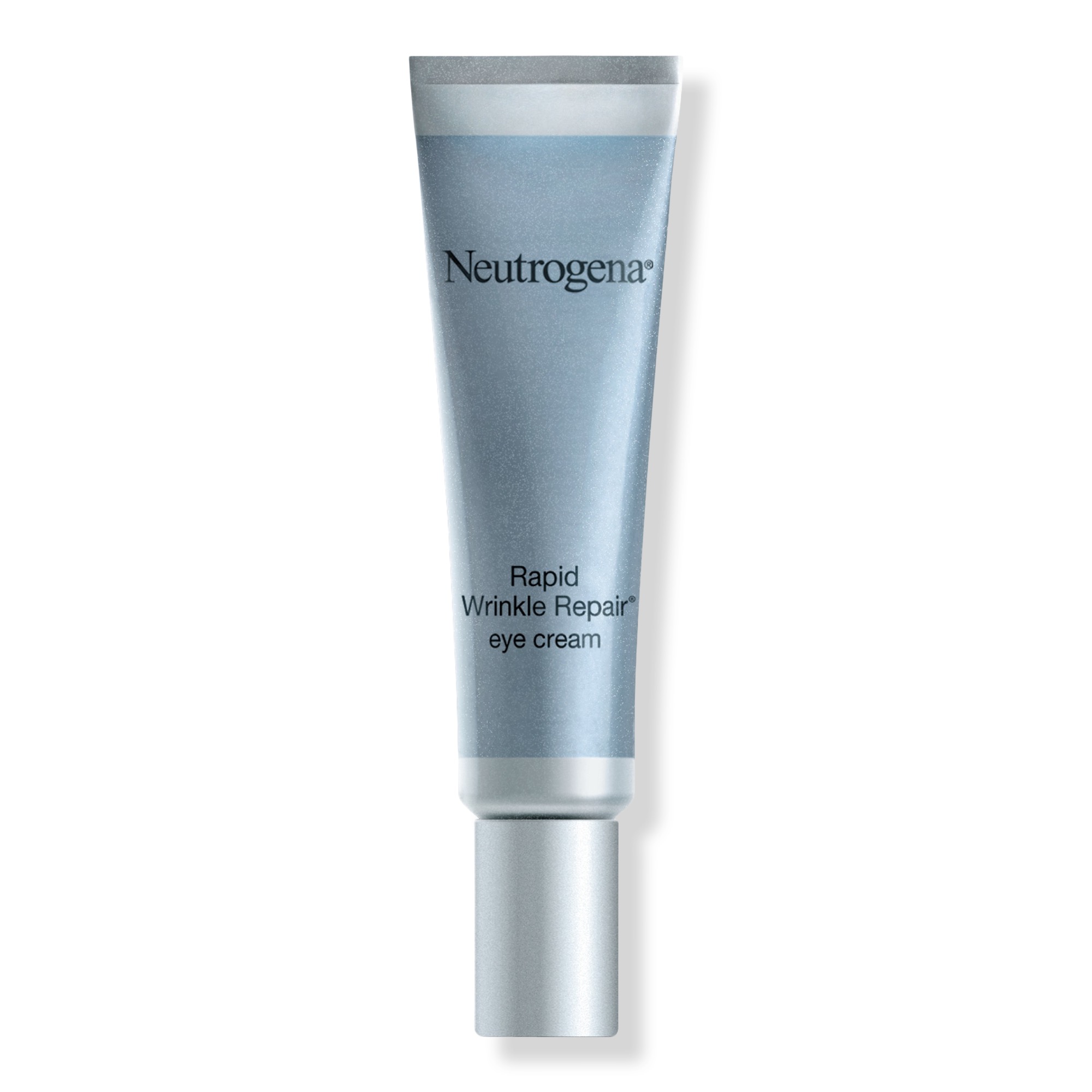
5) Neutrogena Rapid Wrinkle Repair Eye Cream (Best Drugstore Retinol Eye Cream)
Best for value-minded users seeking retinol-led fine-line care.
Common Buying Mistakes for Eye Cream
- Using too much product. Excess can increase milia and creasing.
- Stacking multiple strong actives at once. This often triggers irritation.
- Expecting one formula to solve all under-eye concerns. Puffiness, pigment, and structure differ.
- Skipping patch and tolerance testing. Delicate skin needs slower changes.
- Inconsistent application timing. Irregular use reduces measurable progress.
Four-Week Eye-Area Trial Plan
- Start with one targeted formula and fixed schedule.
- Track puffiness, fine lines, and tolerance weekly.
- Adjust frequency before switching products.
- Add stronger actives only after tolerance is stable.
Layering Order for Better Tolerance
Apply thin hydrating layers first, allow absorption, then treatment product. This sequence often improves comfort and reduces stinging around delicate under-eye skin.
Track progress in consistent lighting once per week, not daily. Under-eye changes are gradual, and objective check-ins prevent unnecessary product switching when a stable plan is already working.
Last updated: March 1, 2026. Prices and availability subject to change.