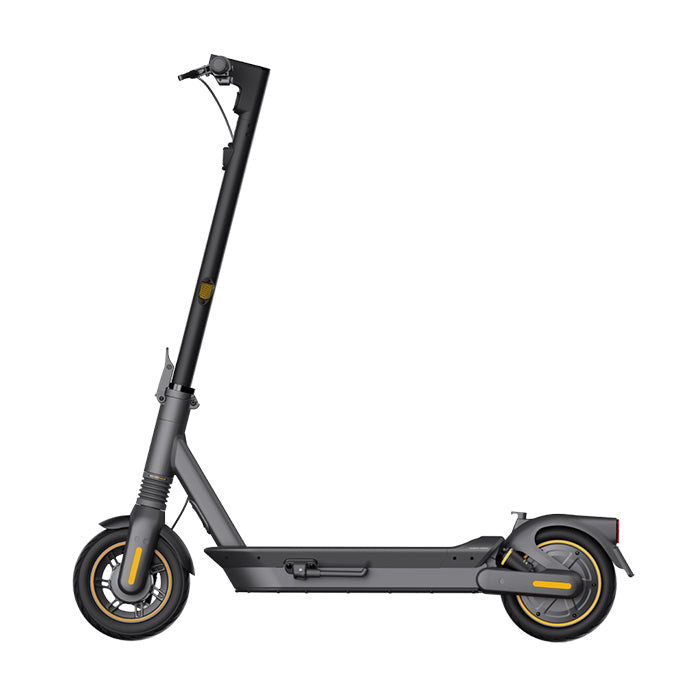
The best electric scooter for you depends on how you actually ride: daily city commute, occasional weekend trips, or short last-mile runs from transit stops. Speed and range numbers alone are not enough. Ride quality, braking confidence, and portability matter just as much in daily use.
Most buyers regret underestimating terrain and carrying requirements. A high-range scooter is great until you need to carry 55 pounds up stairs. A light scooter is convenient until rough roads feel punishing every day.
For more tech comparisons, see Tech & Office, browse all buying resources in our blog, and review editorial transparency on Brand Facts.
Best Electric Scooter Quick Answer
For most commuters, Segway Ninebot Max G2 is the best electric scooter because range, stability, and braking quality are consistently strong in real-world city use. If you want lower upfront cost without major compromises, NIU KQi3 Pro is the best value commuter choice.
If your focus is home-office productivity upgrades beyond commuting, compare our best home printer guide. For indoor cardio alternatives on bad-weather days, see our best walking pads picks.
5 Key Factors That Matter Most
- Real range per charge: Marketing range assumes ideal conditions and usually exceeds daily real-world mileage.
- Weight and portability: Carry weight matters if you navigate stairs, elevators, or public transit connections.
- Tire and suspension setup: Pneumatic tires and suspension usually provide better comfort and control than solid-tire setups.
- Braking system quality: Reliable mechanical plus electronic braking improves confidence at urban speeds.
- Power and speed fit: Commuter use and local regulations often make moderate speed more practical than extreme top-end performance.
How We Built This Ranking
We did not run instrumented range or braking tests. This ranking combines independent roundup analysis, manufacturer specs, user feedback trends, and ownership factors such as ride comfort, battery confidence, and serviceability.
We weighted commuter practicality first: braking consistency, stability, and realistic range. We also scored portability, because many urban riders need to fold and carry scooters regularly. Finally, we included value spread from premium commuter models to budget portable options.
The list aims to balance performance with everyday livability, not only headline specs.
Commuter Scooters vs Performance Scooters
Commuter scooters prioritize manageable weight, practical speed, and efficient battery use for daily travel.
Performance scooters prioritize acceleration, higher top speed, and stronger suspension, but are usually heavier and costlier.
For many city riders, commuter-focused models are the better long-term choice because they are easier to store and carry.
If your route is longer, hillier, or rougher, stepping up to a premium commuter-performance hybrid can be worth the extra weight.
Buying Guide: How to Choose the Right Electric Scooter
1) Match Speed and Range to Actual Commute Needs
Measure your round trip and add a realistic buffer for wind, hills, and battery aging. Many riders only need 10-15 miles real range, not maximum advertised figures.
Buying too little range causes daily charging stress. Buying too much can mean carrying unnecessary weight and cost.
2) Prioritize Ride Stability and Brakes Over Top Speed
Suspension, tire type, and brake design affect daily safety more than maximum speed. On rough city streets, pneumatic tires and stable braking feel are usually worth extra cost.
If you ride in wet conditions, reduce speed and verify local guidelines for e-scooter operation and required lighting.
3) Check Local Rules Before You Buy
Local laws may limit top speed, where scooters can ride, and whether helmets are required. Some areas also restrict sidewalk use and nighttime operation without proper lights.
For practical daily routines, align commute choices with your broader work setup. If you split travel and home-office days, pair mobility planning with tools like our home printer recommendations and indoor movement options from our walking pad guide.
Commute Safety and Charging Workflow
Most ownership problems are operational, not mechanical. A predictable pre-ride workflow improves both safety and range confidence.
Before first ride each week, confirm tire condition, brake response, and light function. These three checks catch many avoidable issues early.
Charging habits matter too. If your commute regularly uses most of the battery, avoid planning with zero buffer. Weather, wind, and hills can reduce effective range quickly.
For apartment users, map where the scooter is stored and charged. If charging setup is inconvenient, consistency drops and range anxiety rises. A repeatable nightly charging pattern is usually more useful than chasing bigger battery specs alone.
If your route includes mixed surfaces, lower speed in rough sections and prioritize stable handling over time savings. Small speed reductions often improve safety margin and rider confidence significantly.
For rainy weeks, add extra braking distance and reduce cornering aggression. Weather-adjusted riding habits usually matter more than incremental spec upgrades.
Riders who commute year-round should also check local battery performance expectations in colder months, since lower temperatures can reduce effective range.
Planning a winter buffer helps avoid end-of-ride battery surprises.
Frequently Asked Questions
What matters most for daily commuting scooters?
Ride stability, braking confidence, and real-world range usually matter more than maximum speed claims.
How much real range should I budget for?
Real range is often lower than marketing range, so planning with a safety buffer is usually the practical approach.
Are solid tires or pneumatic tires better?
Pneumatic tires usually improve comfort and grip. Solid tires reduce flat risk but can feel harsher on rough roads.
Do I need suspension for city riding?
If roads are uneven or commute distance is longer, suspension often improves control and comfort significantly.
How should I evaluate legal compatibility before buying?
Check local rules for speed limits, lane access, helmet requirements, and nighttime lighting expectations.
Who Each Pick Is Best For
1) Segway Ninebot Max G2 (Best Overall)
Best for commuters who want reliable stability, practical range, and strong all-around daily usability.
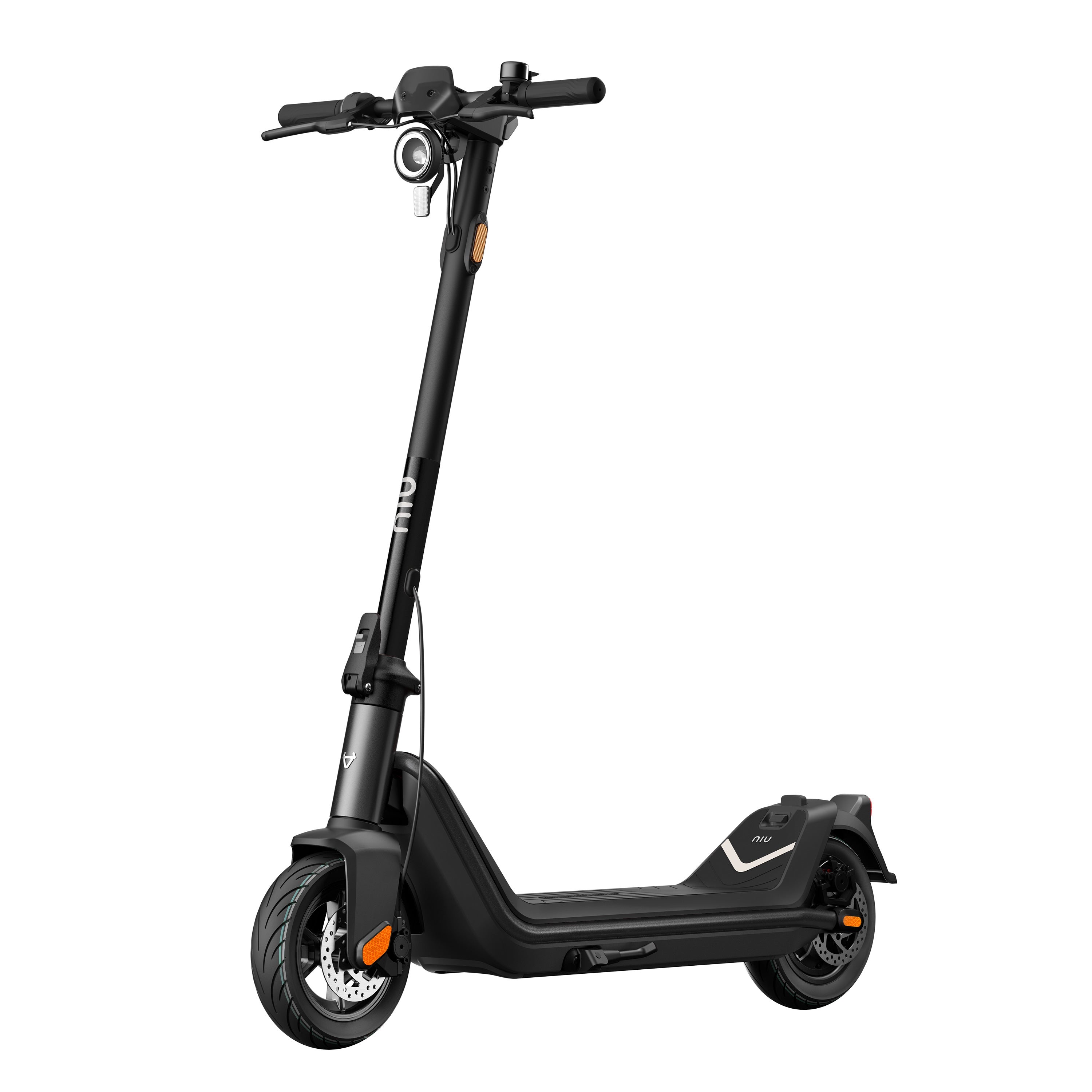
2) NIU KQi3 Pro (Best Value Commuter)
Best for value-focused riders who want a stable commuter setup without premium pricing.
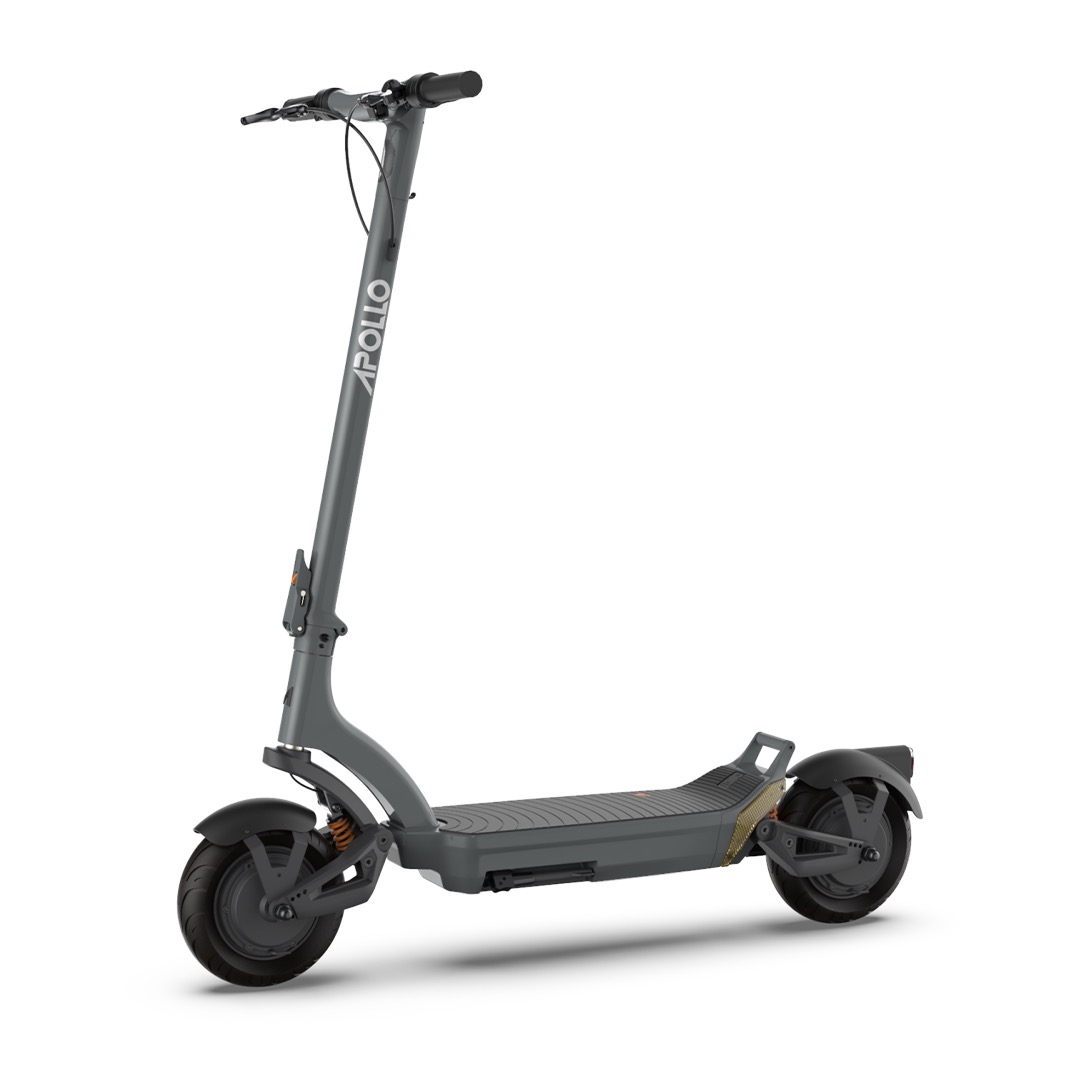
3) Apollo City (Best Premium Commuter)
Best for users wanting stronger premium ride quality and higher performance headroom.
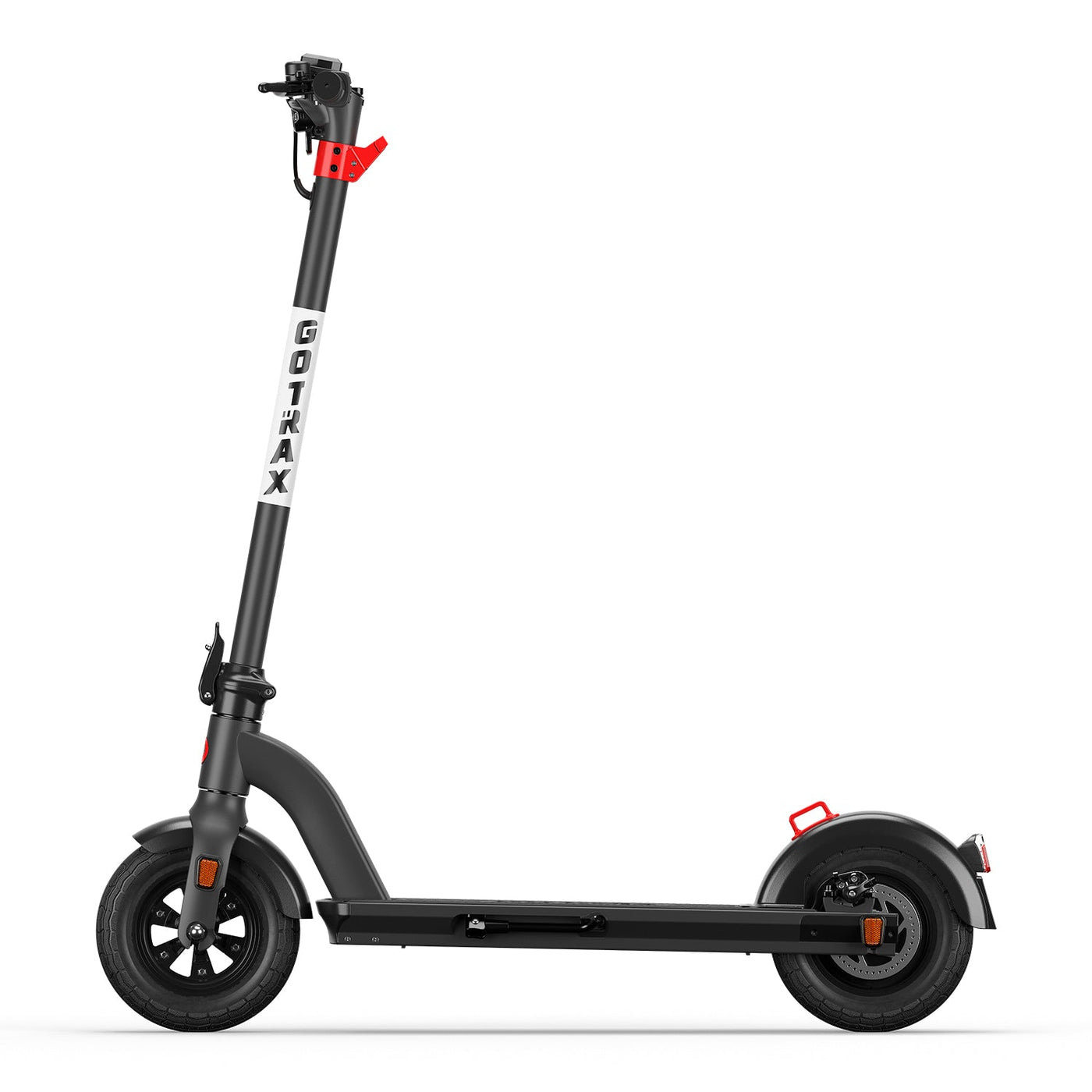
4) Gotrax G4 (Best Budget Range)
Best for entry-level commuters who need workable range at lower upfront cost.
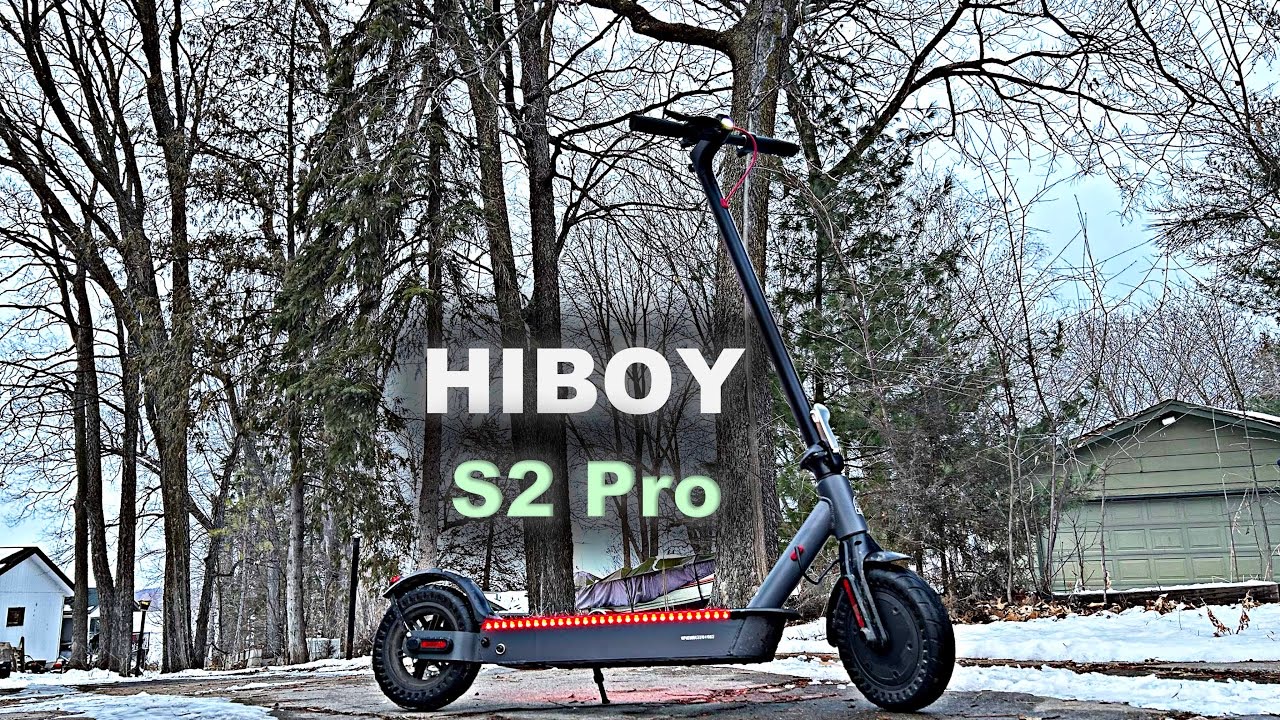
5) Hiboy S2 Pro (Best Portable Budget Pick)
Best for short-distance riders prioritizing portability and budget over ride plushness.
Common Buying Mistakes for Electric Scooter
- Choosing by top speed alone. Commuter safety and comfort usually matter more.
- Ignoring route surface quality. Rough roads change tire and suspension needs.
- Skipping range buffer planning. Real commute conditions reduce stated range.
- Underestimating carry weight. Heavier scooters can be frustrating in stairs/transit transitions.
- Overlooking local regulations. Legal restrictions can invalidate otherwise good picks.
Practical Commute Readiness Checklist
- Validate route distance with a realistic battery buffer.
- Confirm braking confidence on your actual road conditions.
- Confirm weight portability for your daily storage workflow.
- Confirm legal compliance for your city before first ride.
Weekly Ownership Maintenance Routine
Check tire condition/pressure, brake feel, and visible fasteners each week. Keeping these basics consistent is one of the easiest ways to improve safety and long-term ride quality.
Also plan where charging and locking happen before you buy. A scooter that fits your battery and anti-theft workflow is much more likely to get used daily than a faster model with inconvenient ownership friction.
Last updated: March 1, 2026. Prices and availability subject to change.